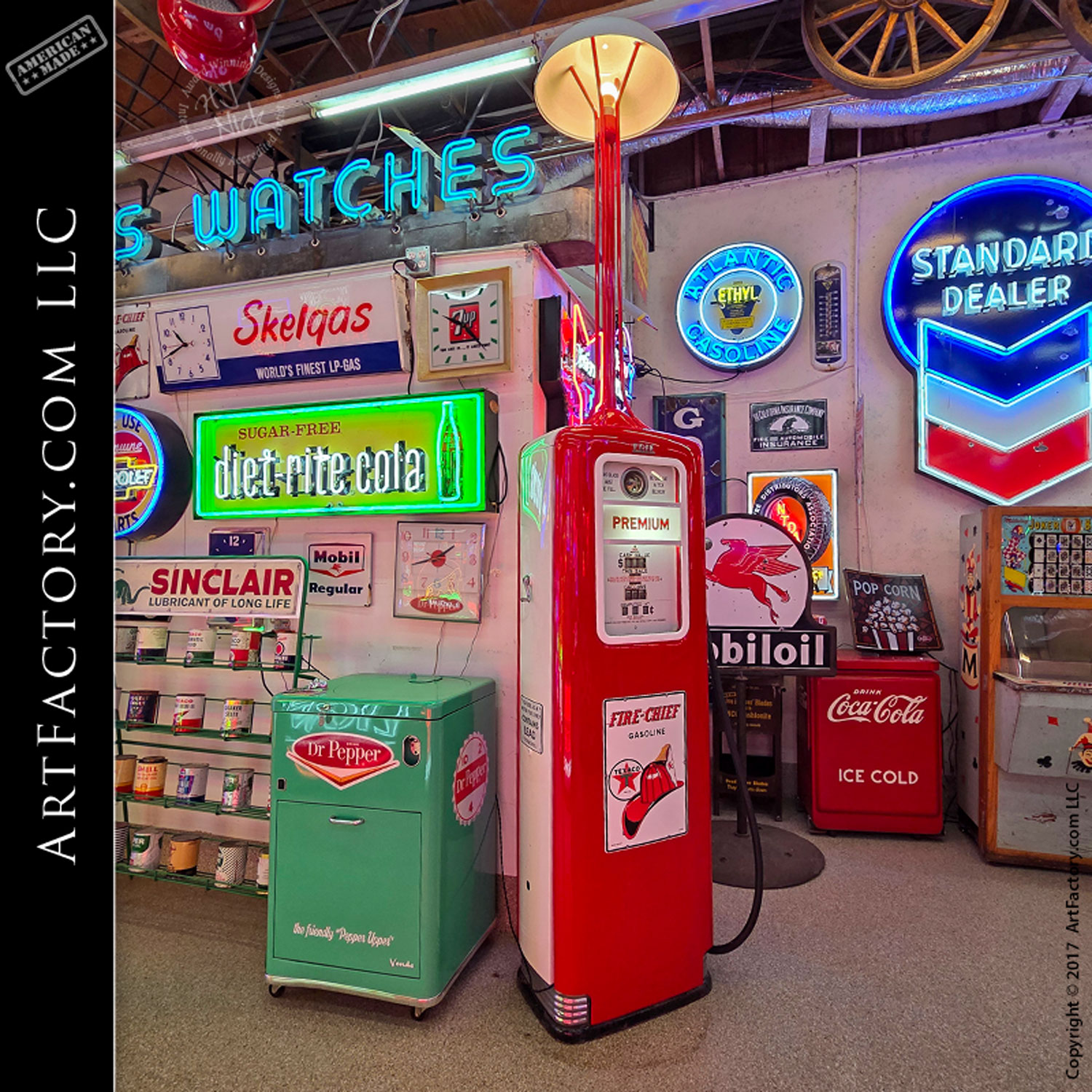
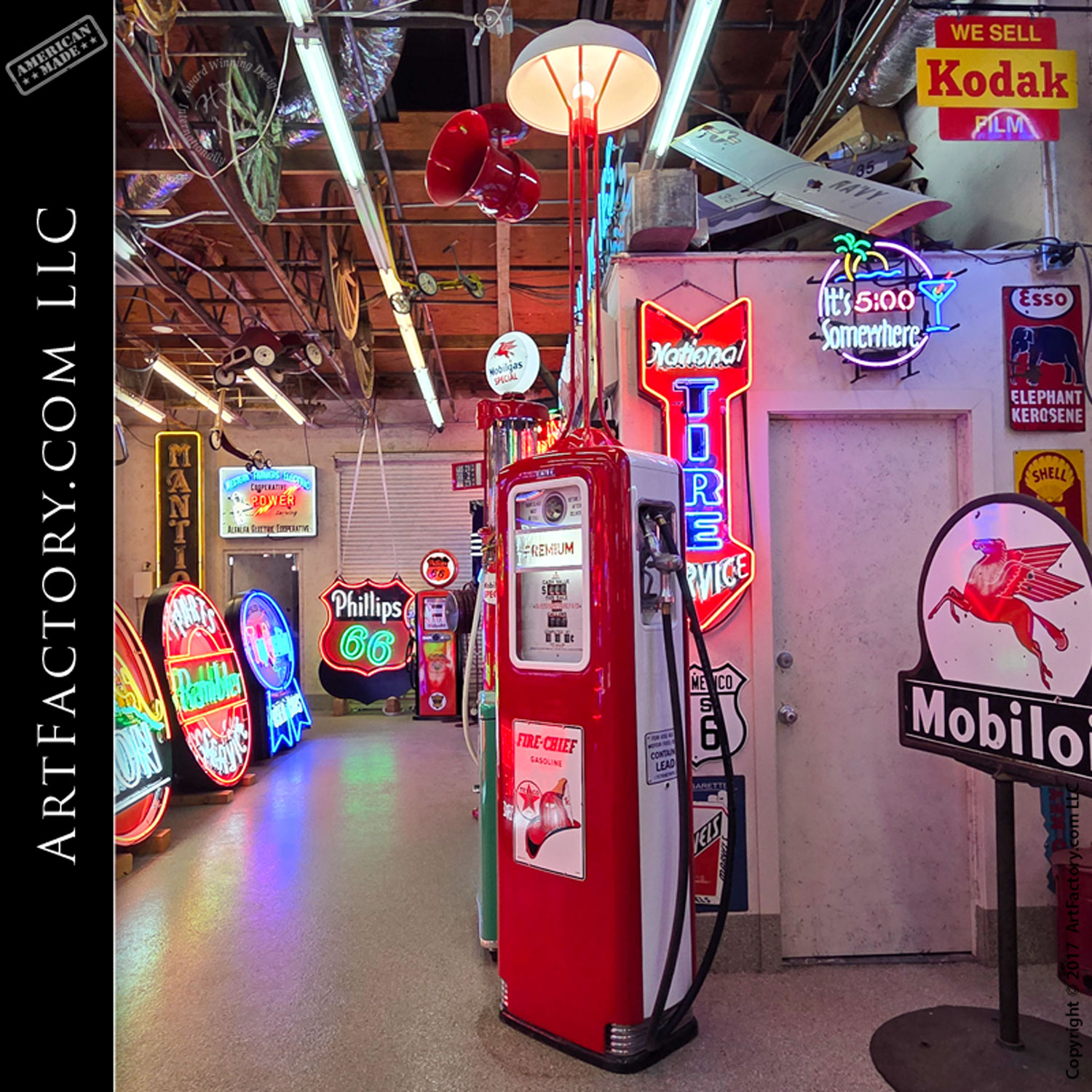
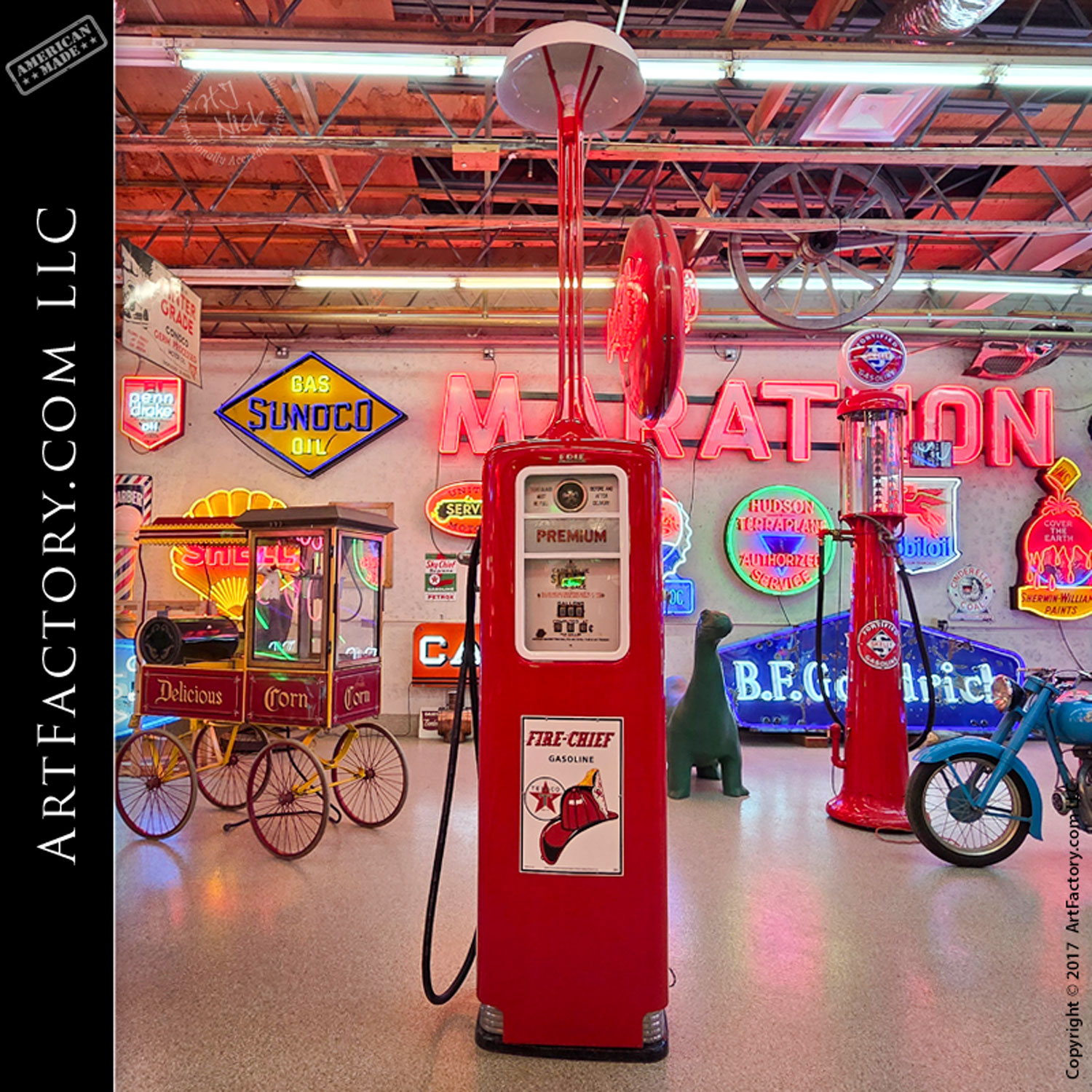
Erie Lamp Pump
Route 66: The Erie Sentinel and the Spirit of the Mother Road
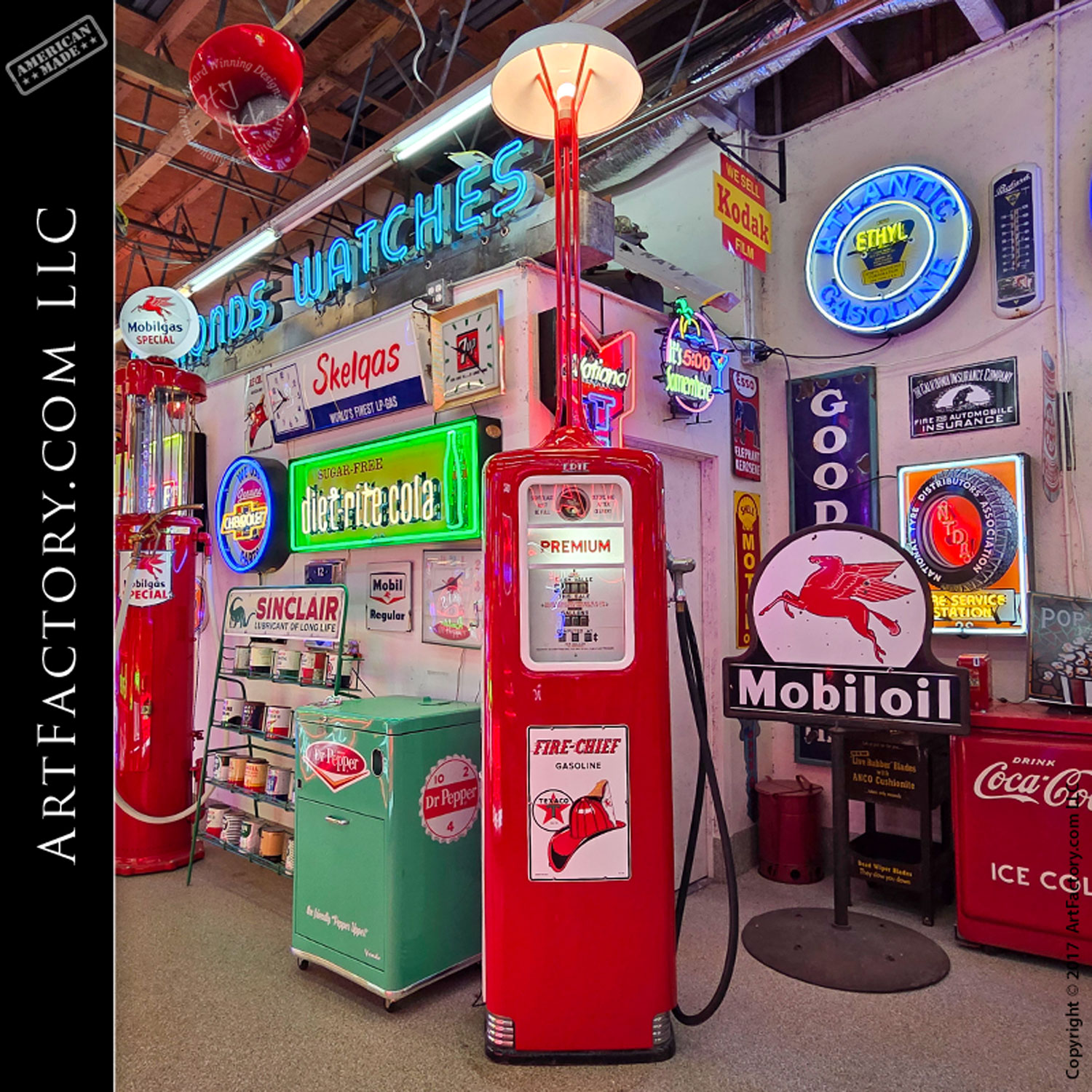
Before the sterile efficiency of the interstate system, Route 66 was a raw, winding artery cutting through the American heartland. It was a road of extremes—extreme heat, extreme distance, and extreme stakes. Standing as a silent guardian along this path was the Erie Meter Systems “Visible” Pump, a nine-foot monument of steel and glass that offered more than just fuel; it offered a moment of certainty in an uncertain world.

Description
The Beacon: A Star in the Dust 
For the “Okies” fleeing the Dust Bowl, the soldiers deploying to Pacific ports, and the dreamers chasing a California sunset, the road was an adversary. Engines warped in the Mojave heat and tires surrendered to the rough gravel.
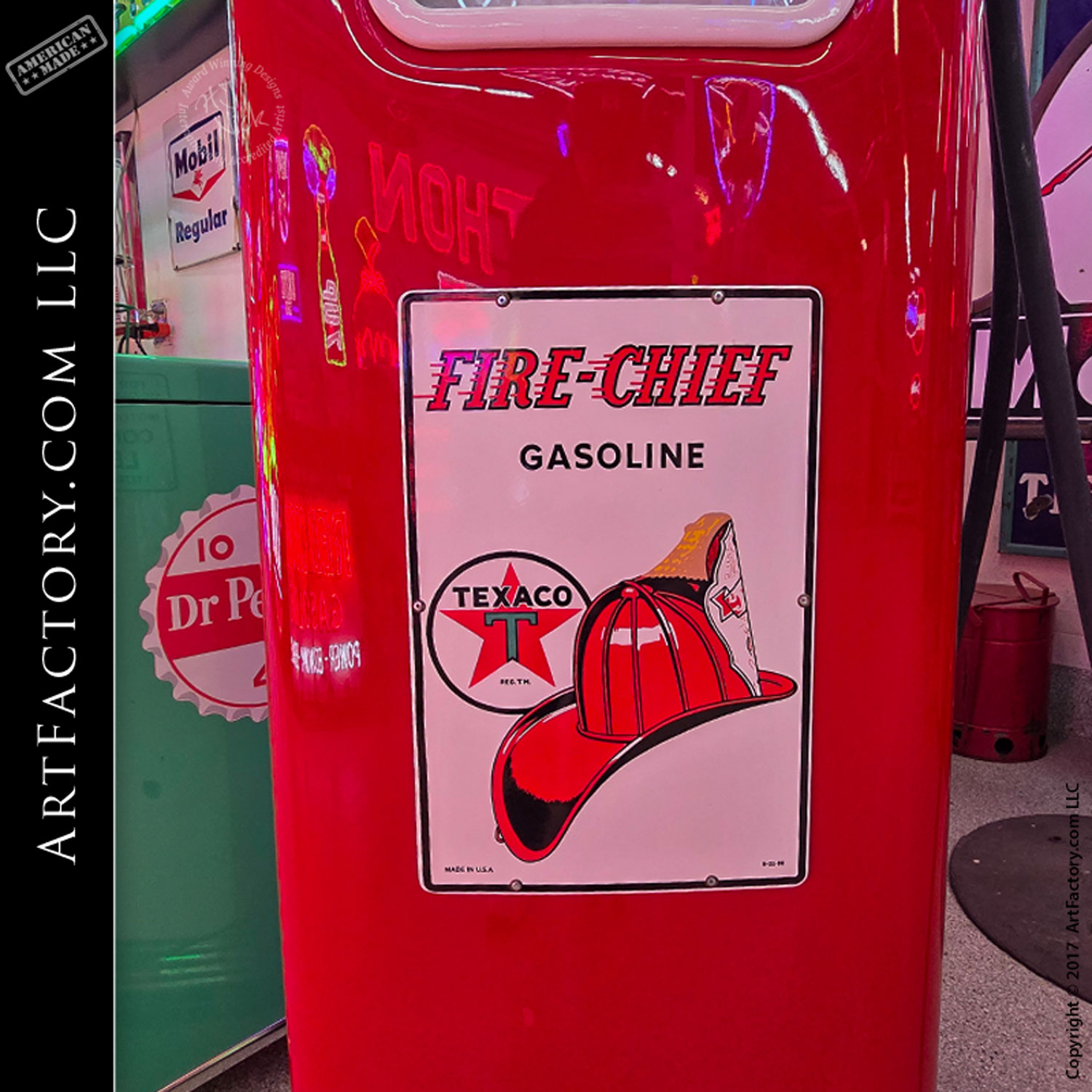
The Illuminated Globe: High above the horizon, the glowing Texaco Fire-Chief glass globe acted as a literal North Star. In a time before standardized highway lighting, that warm red-and-white glow was the first sign that the desert hadn’t swallowed them whole.
The Sentinel Presence: At nearly nine feet tall, the Erie pump wasn’t just equipment — it was architecture. Its cast-iron base anchored it to the earth, signaling a reliable outpost where a traveler could finally “stop and breathe.”
The Ritual of the Visible Measure
In the 1930s, trust was a currency as thin as a worn-out tire. The Erie pump was designed specifically to address this anxiety through its Visible-Measure System.
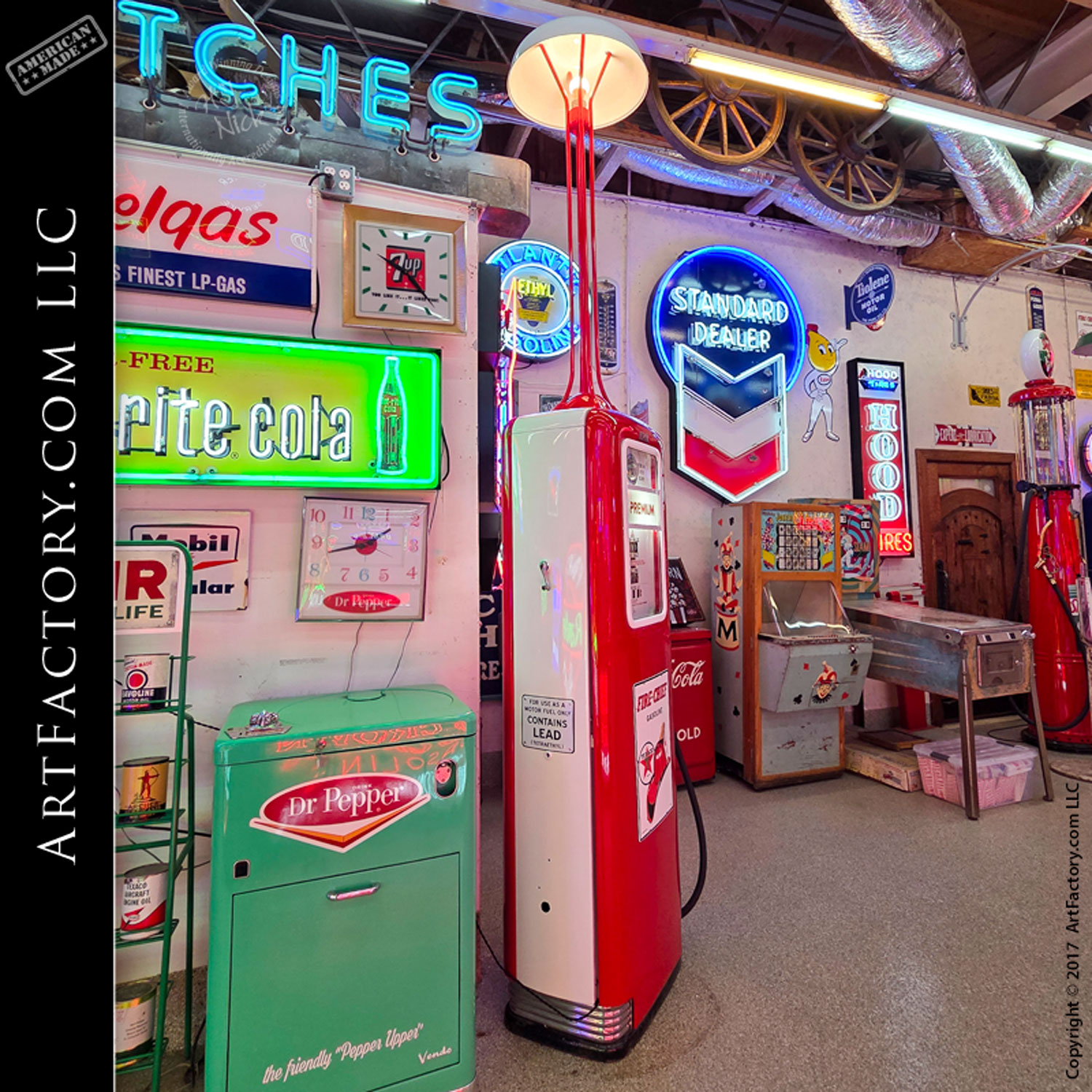
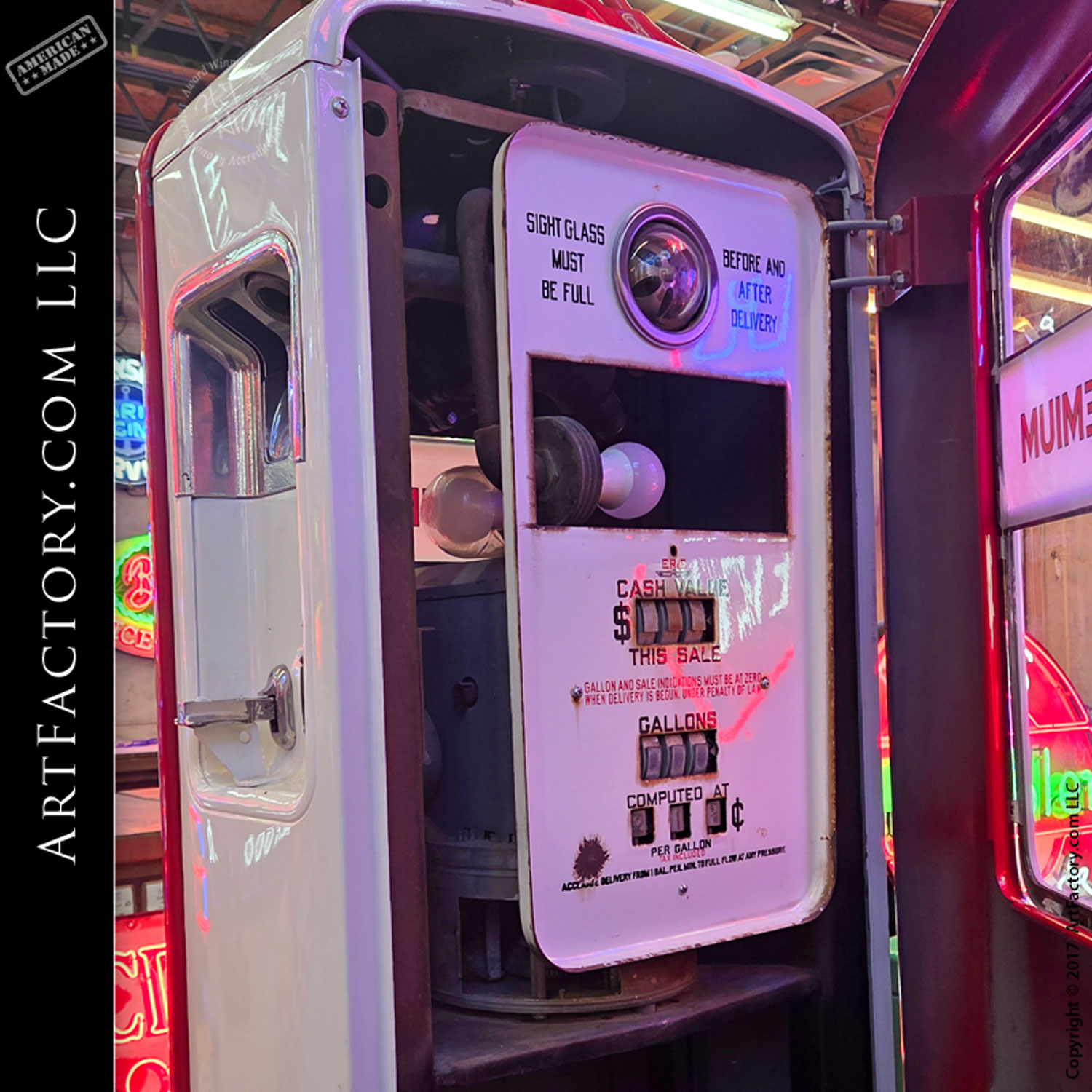
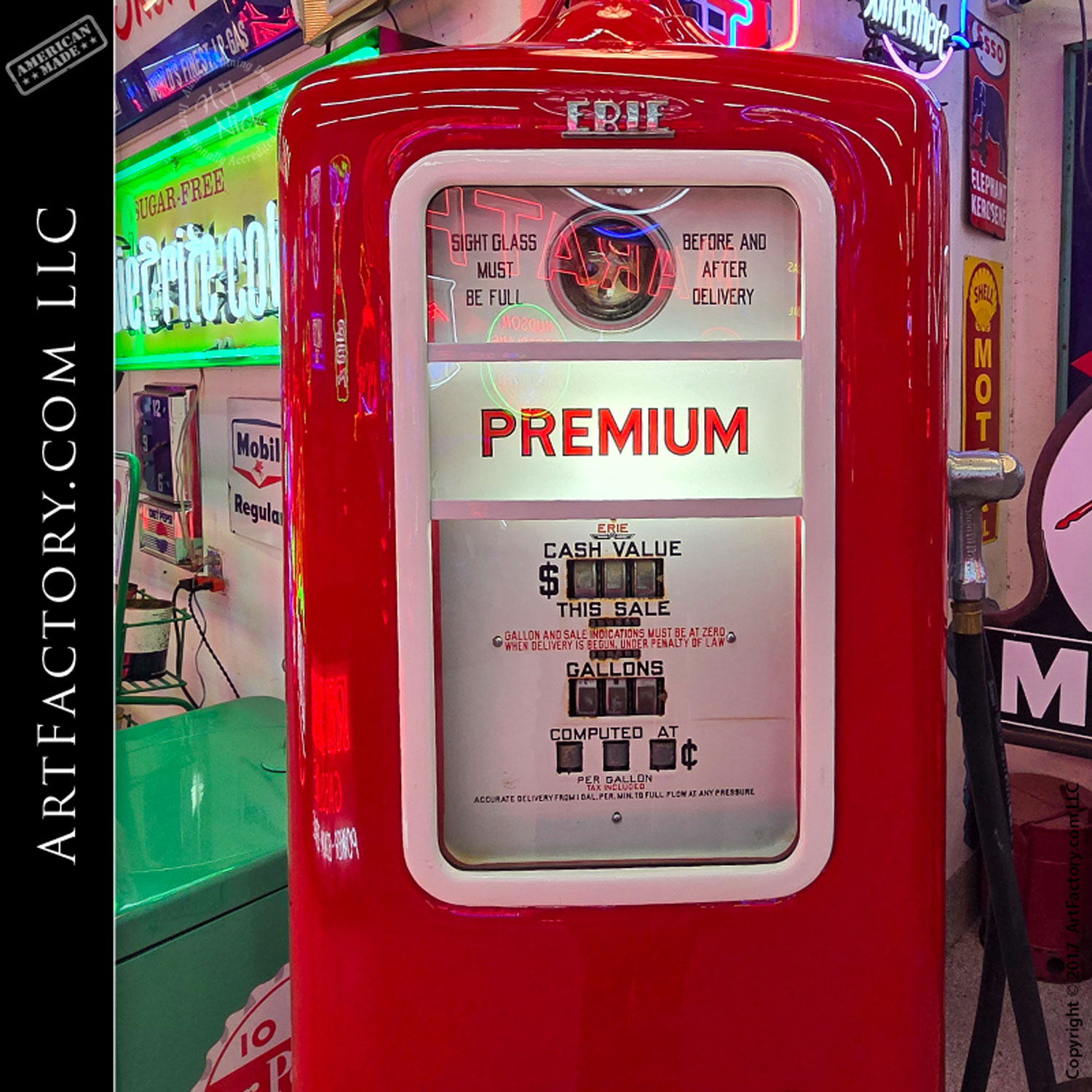
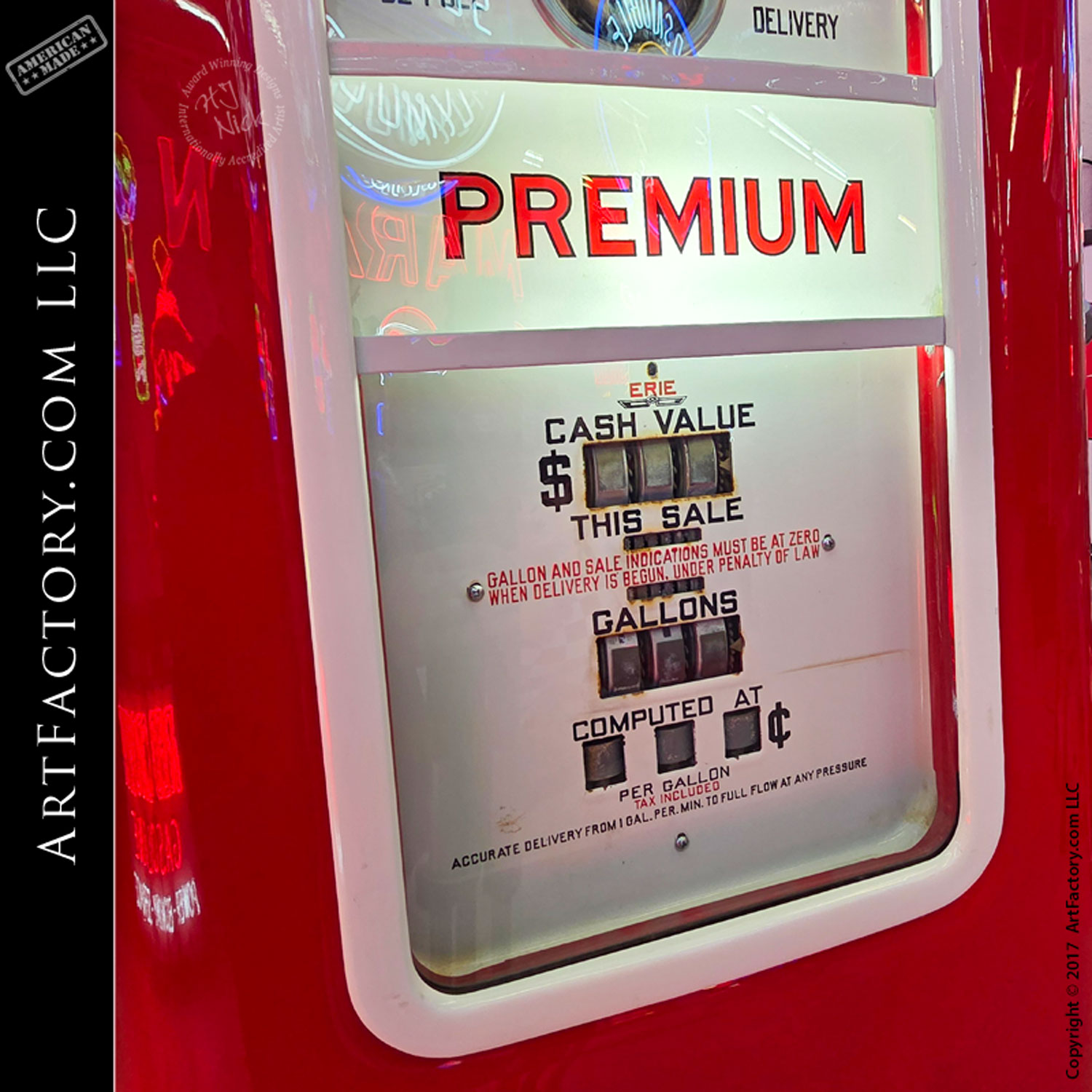
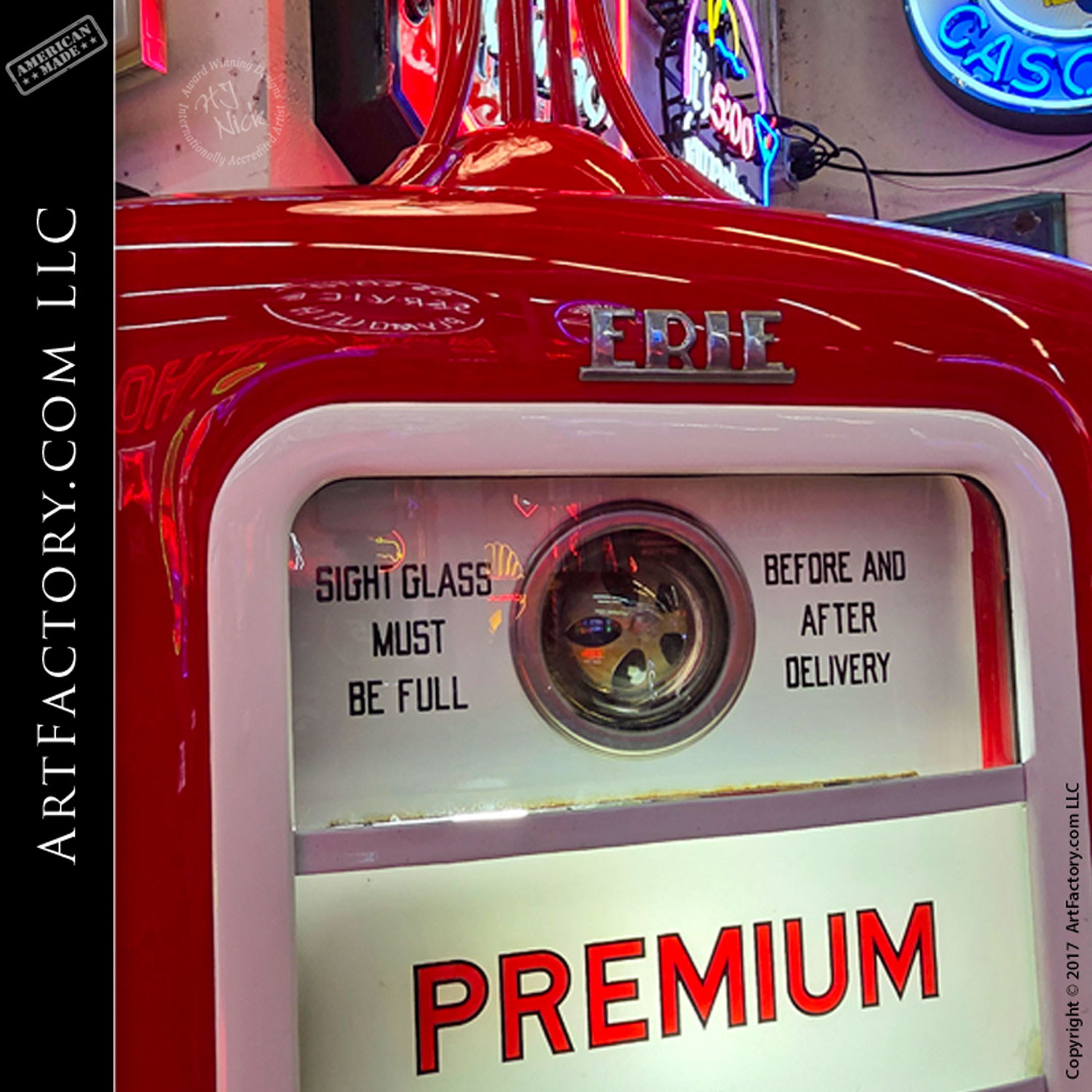
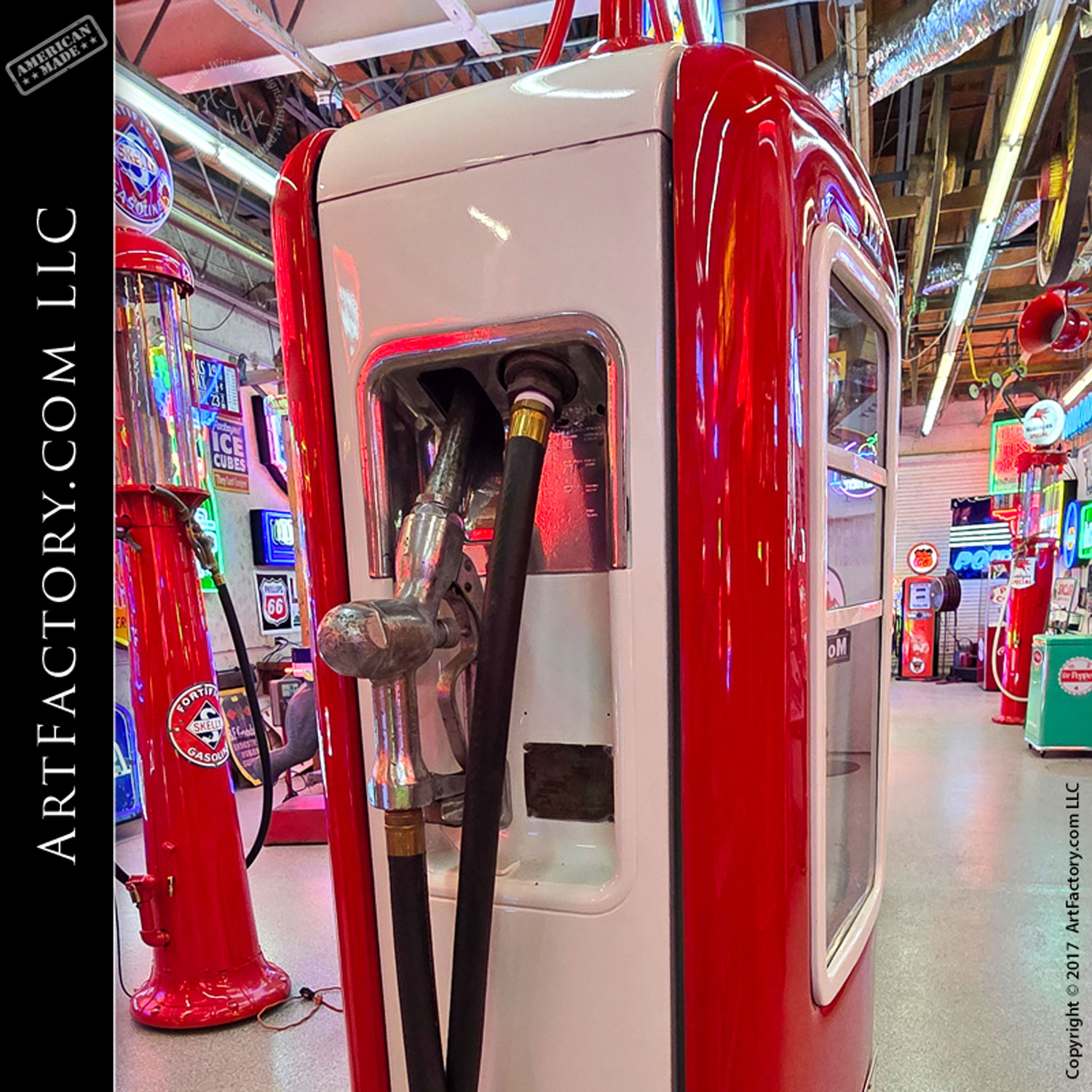
The Visible-Measure: An Erie Meter Systems visible-measure gas pump, built in Pennsylvania in the 1930s, branded Texaco Fire-Chief, rising nearly nine feet tall with its glowing globe lighting the night.
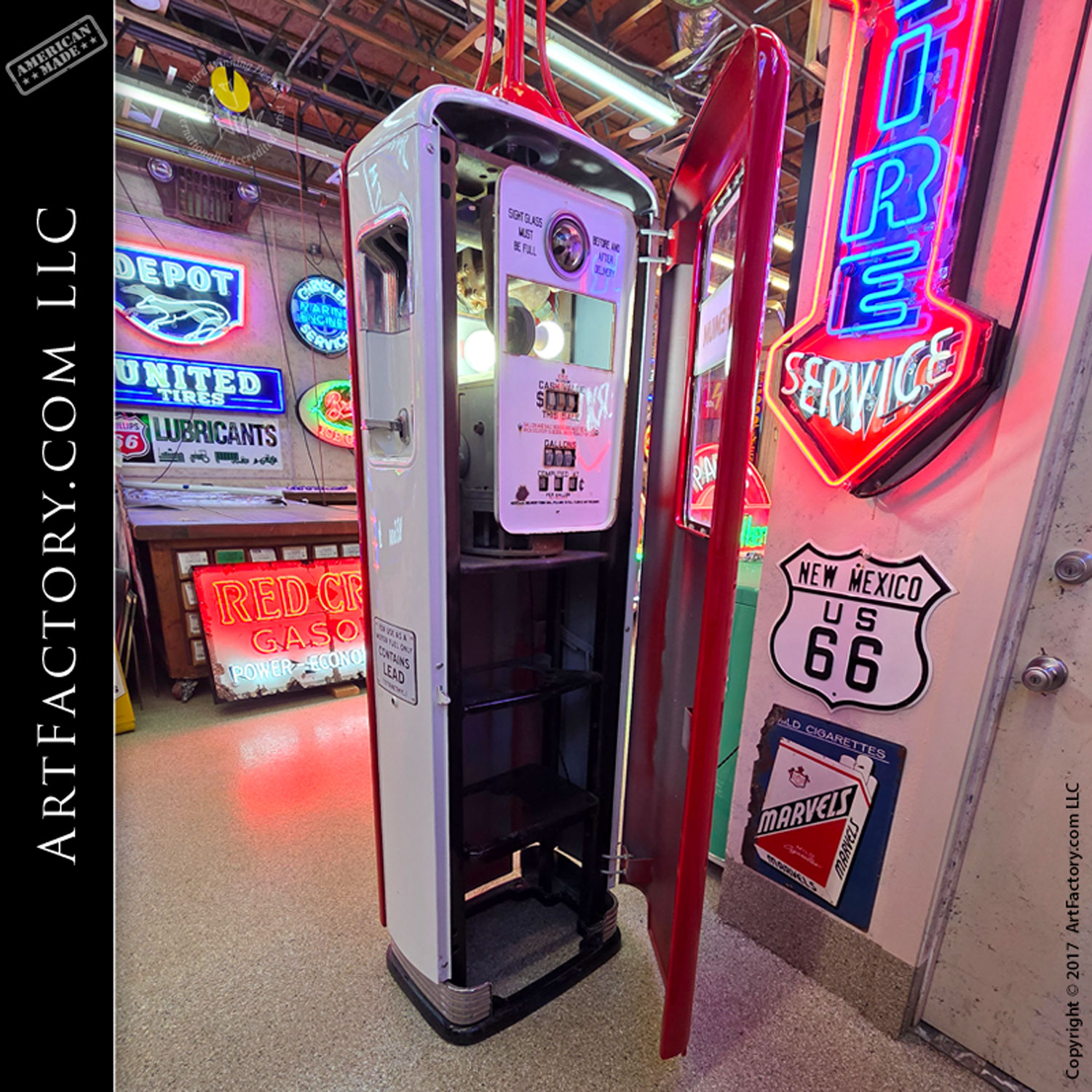
“Sight Glass Must Be Full”: This mantra, etched into the machine, turned every fill-up into a transparent contract. In the middle of a desolate stretch of road, seeing those ten gallons of amber fluid was the only guarantee a family had that they would make it to the next town.
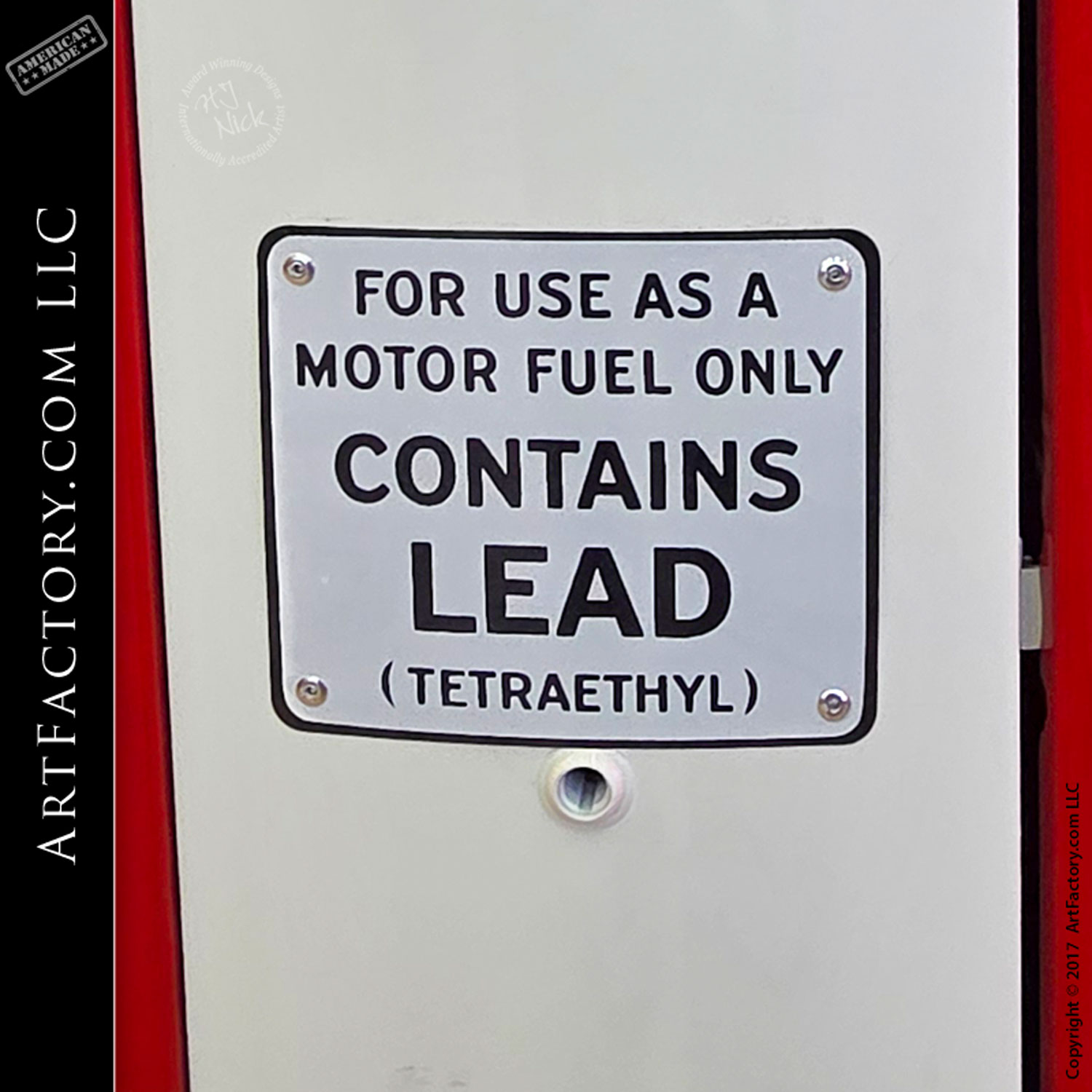
Leaded Power: The “Fire-Chief” gasoline, enriched with Tetraethyl Lead, provided the high-octane punch needed for heavy, over-packed cars to climb the steep grades of the Ozarks or the Black Mountains of Arizona.
The Mechanical Soul of the Journey
The pump was a study in contradictions — brutal industrial utility wrapped in Art Deco elegance.
Mechanical Precision: Inside the steel skin, hand-fitted gears operated with a clockmaker’s accuracy. It was built to endure the same harsh elements as the travelers themselves—wind, sand, and relentless sun.
The Cost of Progress: The stamped warning, “Contains Lead,” served as a subtle metaphor for the road itself. Route 66 offered a chance at a new life, but it came with a physical and emotional toll. The fuel that pushed you forward was powerful, but it was also heavy with consequence.
Beyond the Miles: A Living Legacy
When the interstates eventually bypassed these small-town outposts, the silence was immediate. The glowing globes were extinguished, and the vibrant life of the Mother Road was rerouted to concrete bypasses.
However, a restored Erie pump is more than a vintage collectible; it is a preserved piece of the American soul. It stands as a reminder that the history of Route 66 wasn’t written in the speed of the journey, but in the essential stops in between. It represents the moment the bell rang, the glass filled, and a weary driver decided they had just enough “Fire-Chief” in the tank to keep going.
Reviews
There are no reviews yet.