








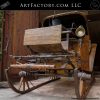
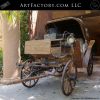
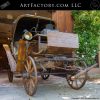
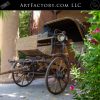
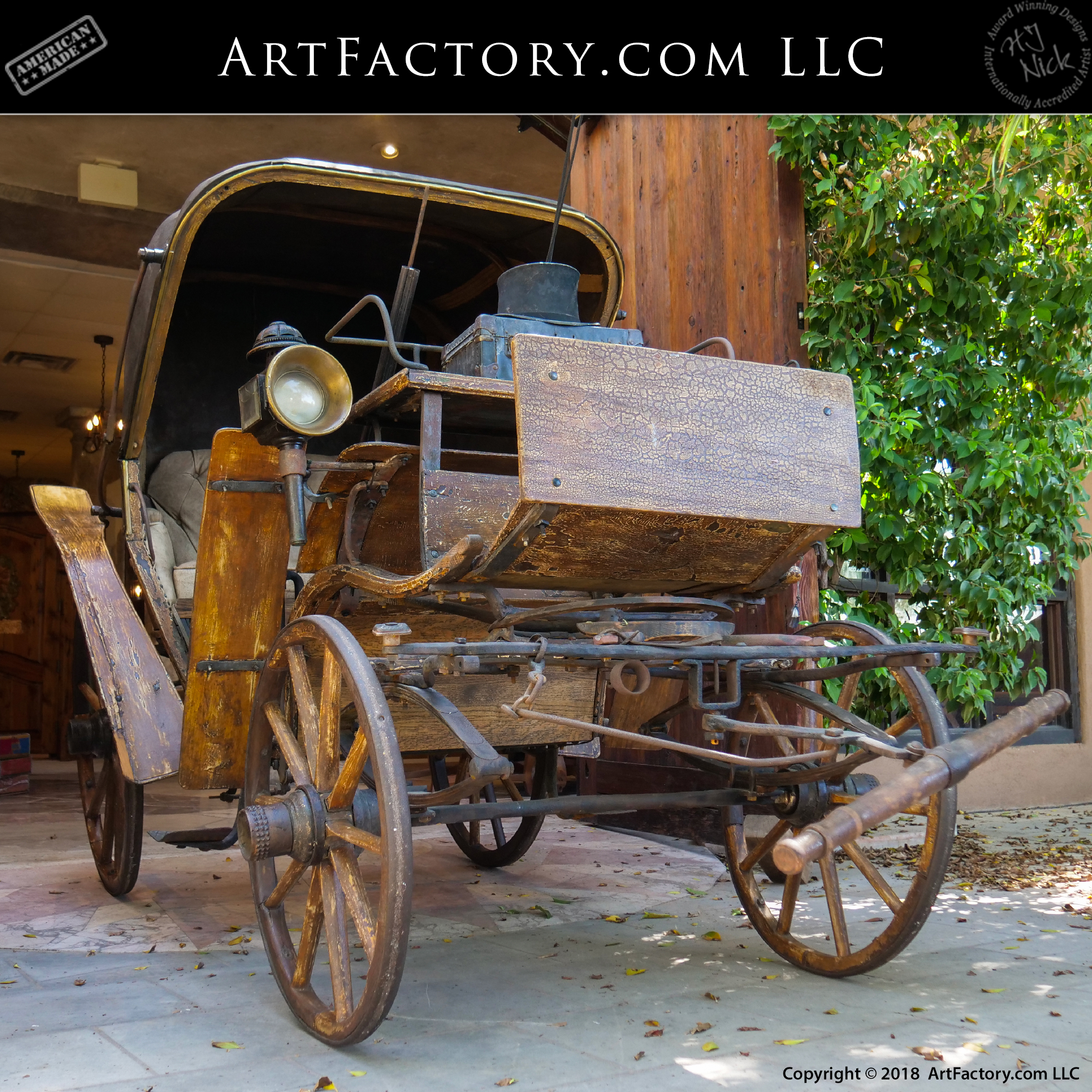
19th Century Calash Buggy: Barouche Built For German Royalty – CCR890
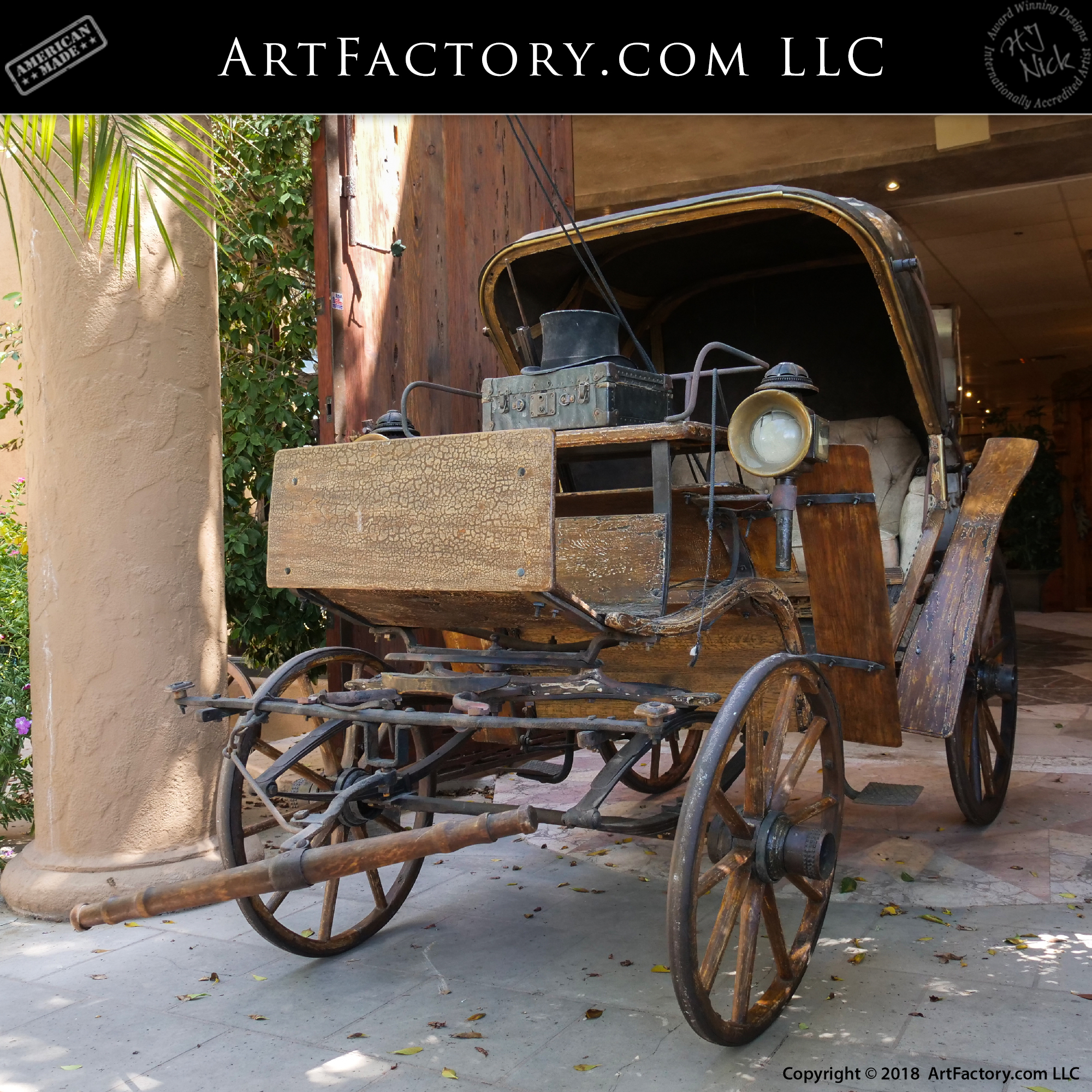
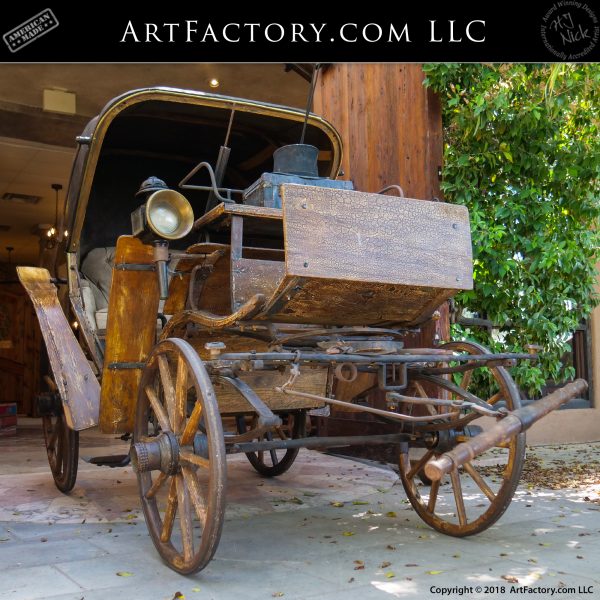
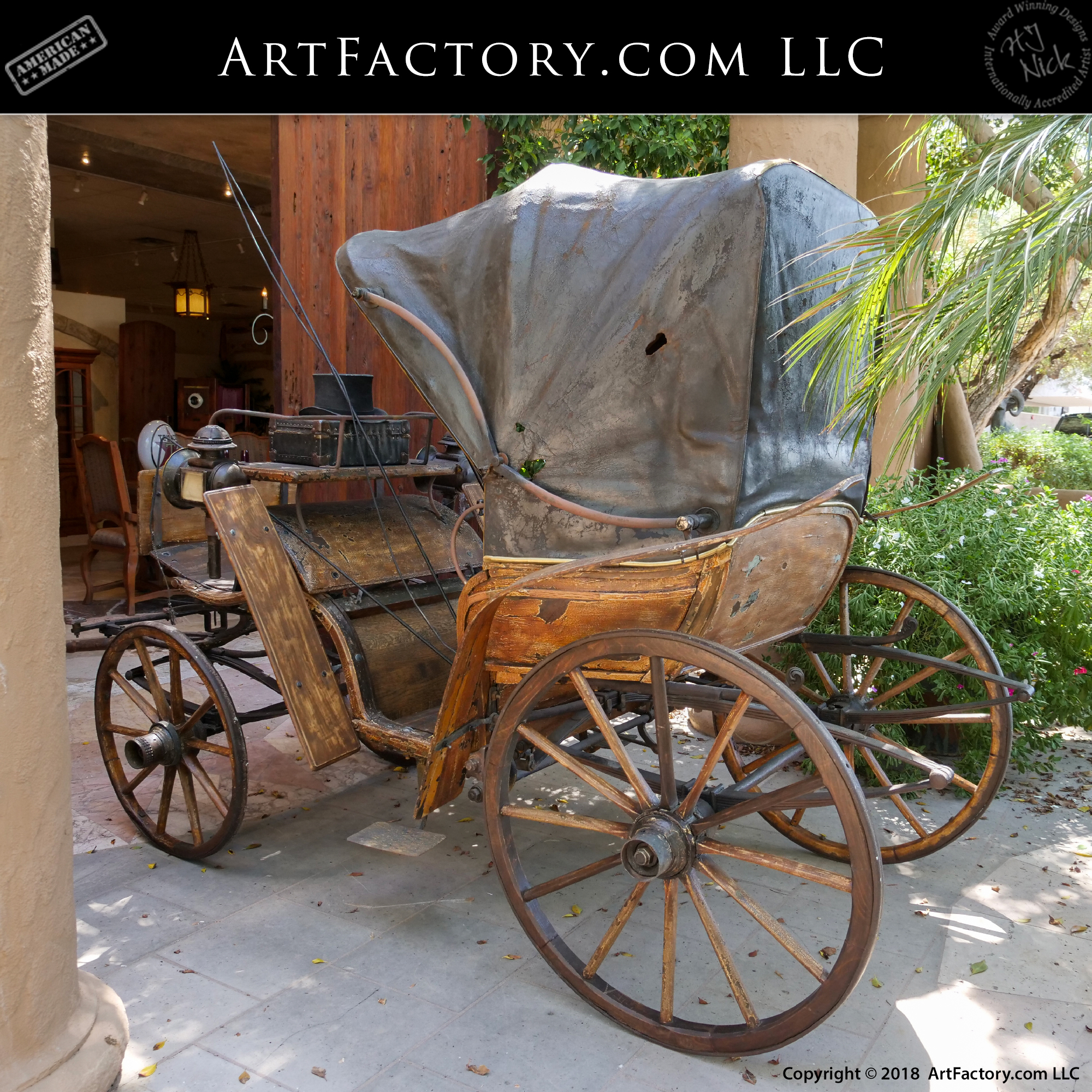
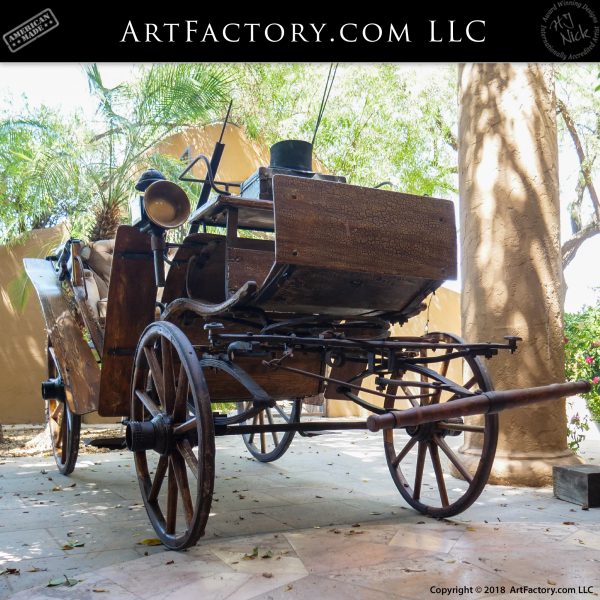
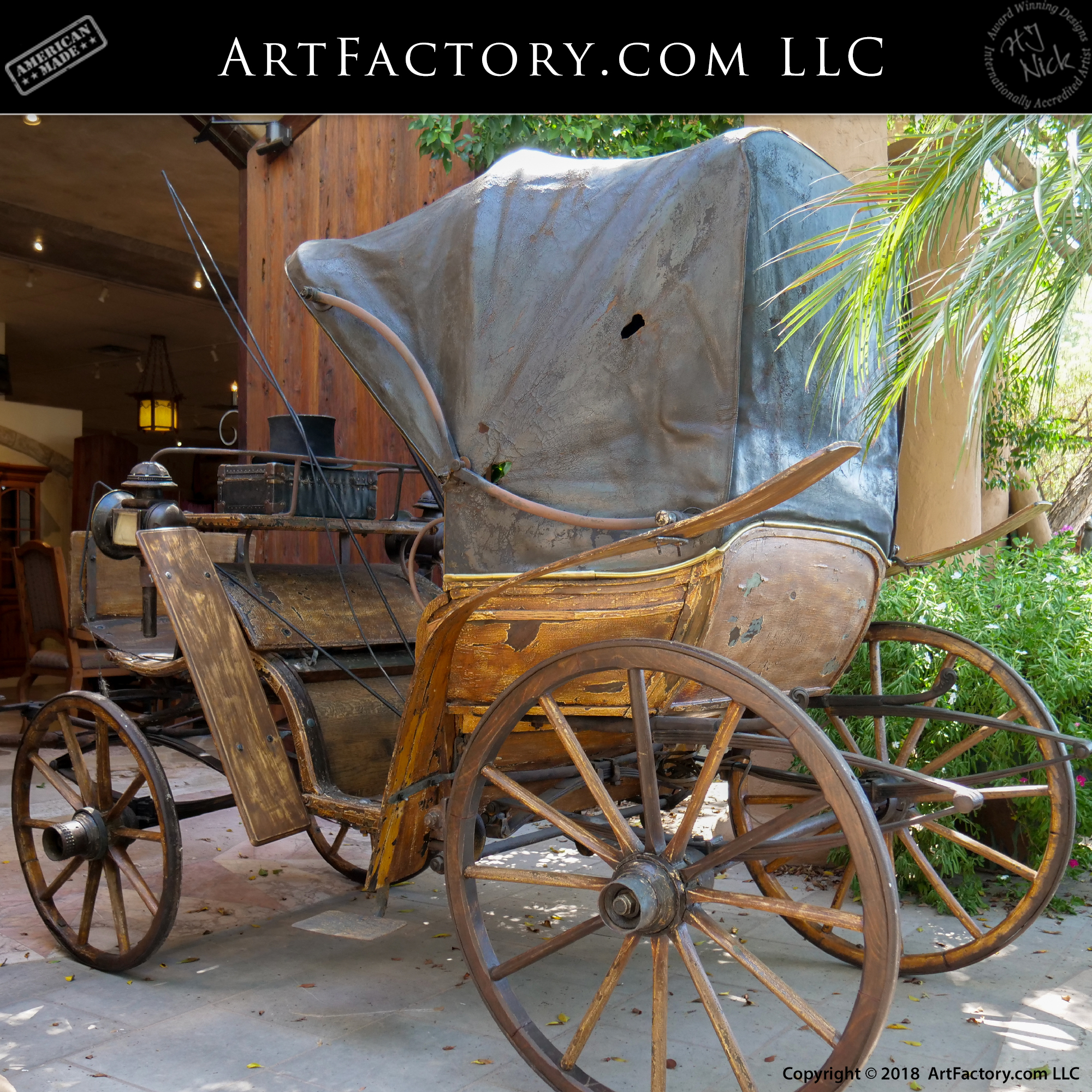
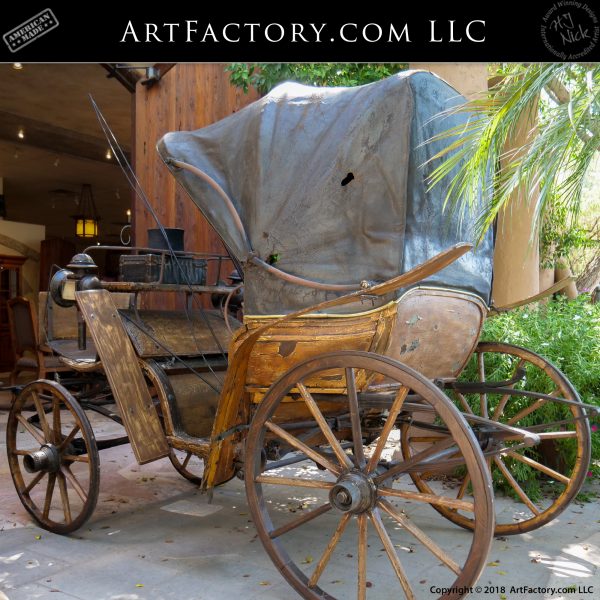
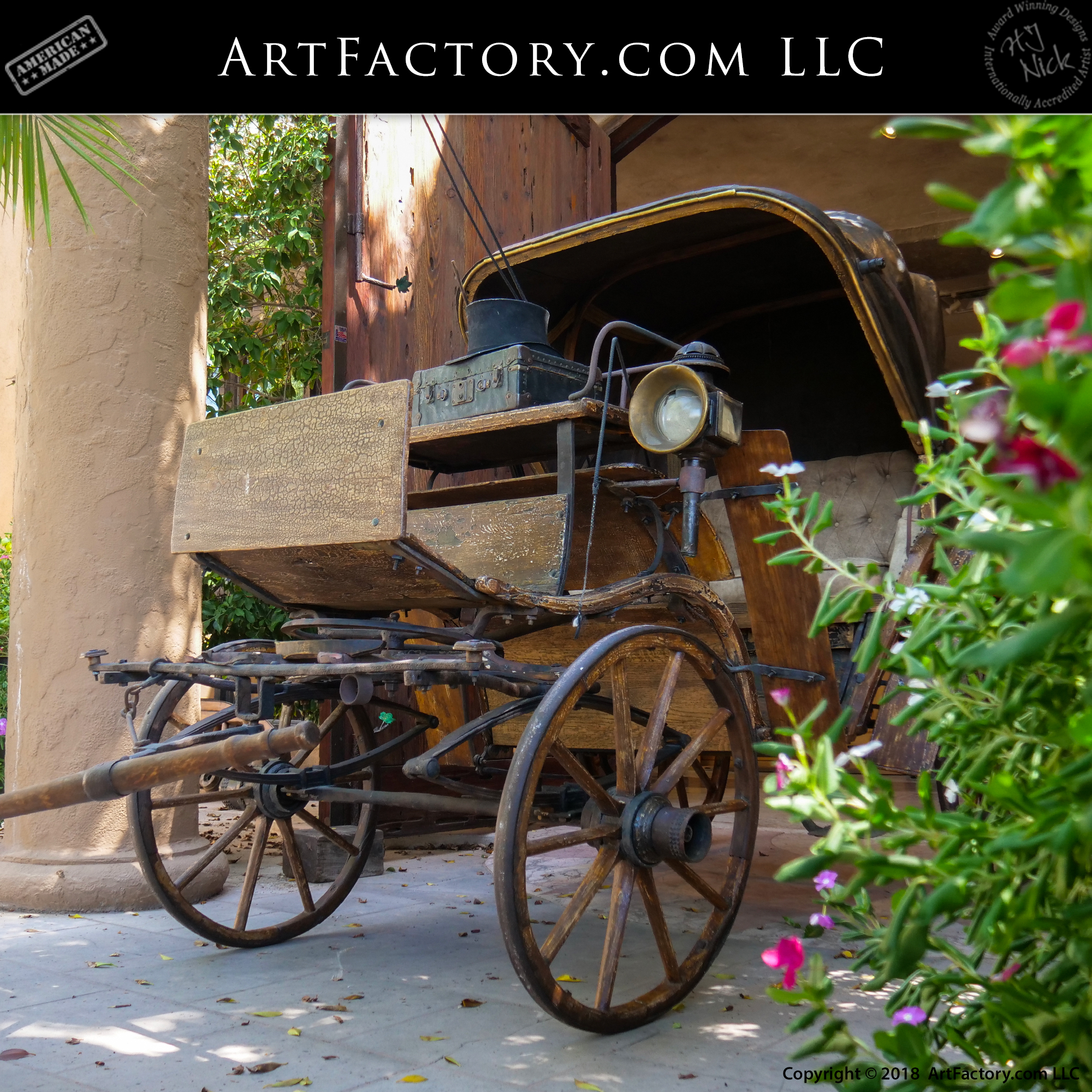
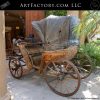
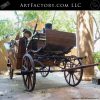
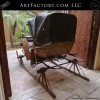
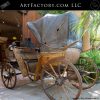
Known As A Barouche Or Calash These Large, Open, Four-Wheeled Carriages, Were Extremely Popular In The 1800’s, Drawn By Two Horses, And Were Often Owned By Royalty Or Other Members Of High Society

Description
Two-Passenger Carriage with Matching Winter Sleigh Runners
Attributed to German Manufacture by H.J. Nick • Estimated Date: 1850s
Some pieces of history reveal their importance through the hands that made them.
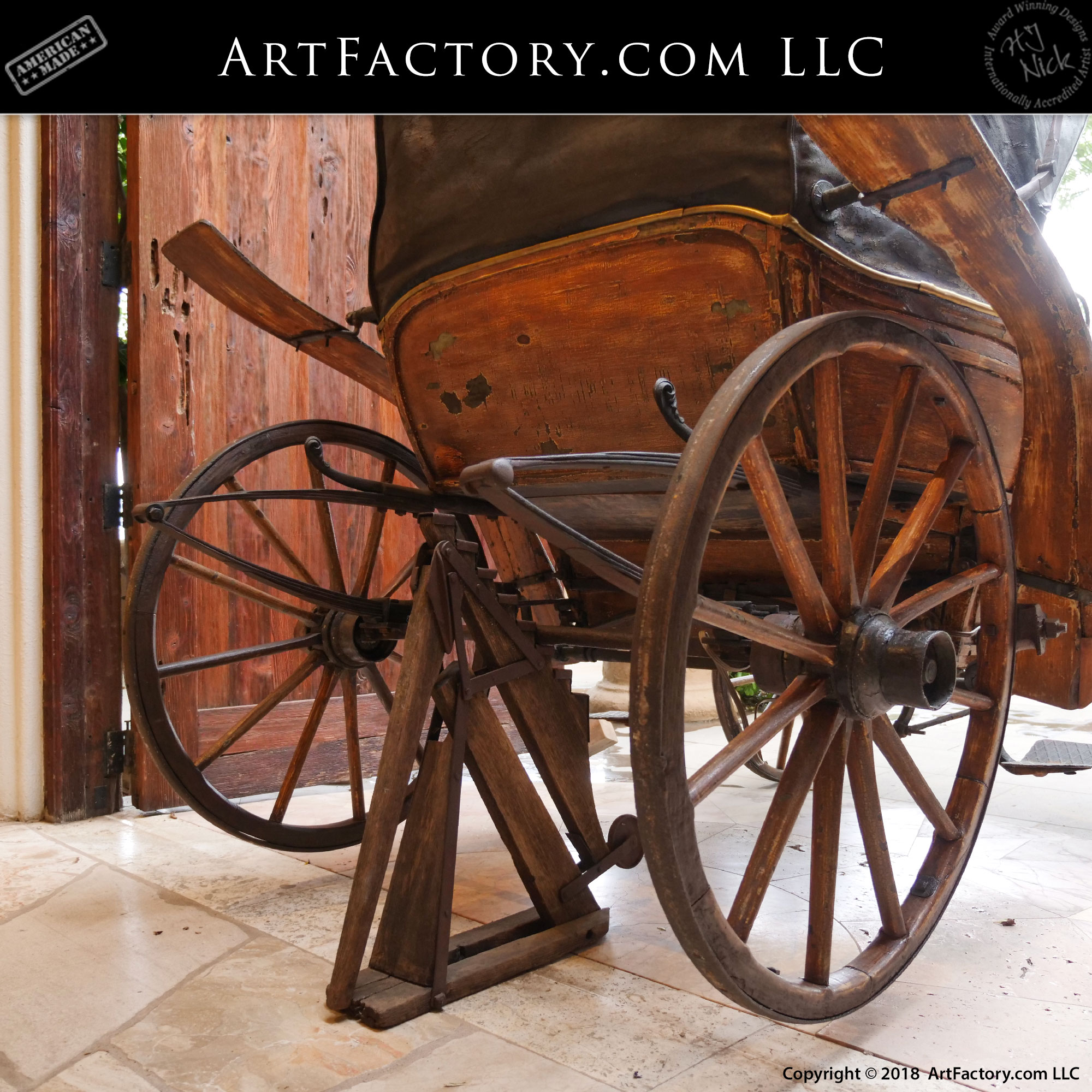
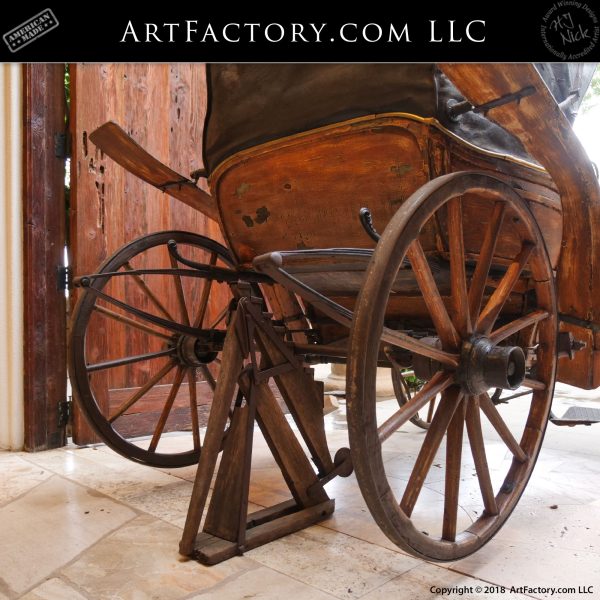
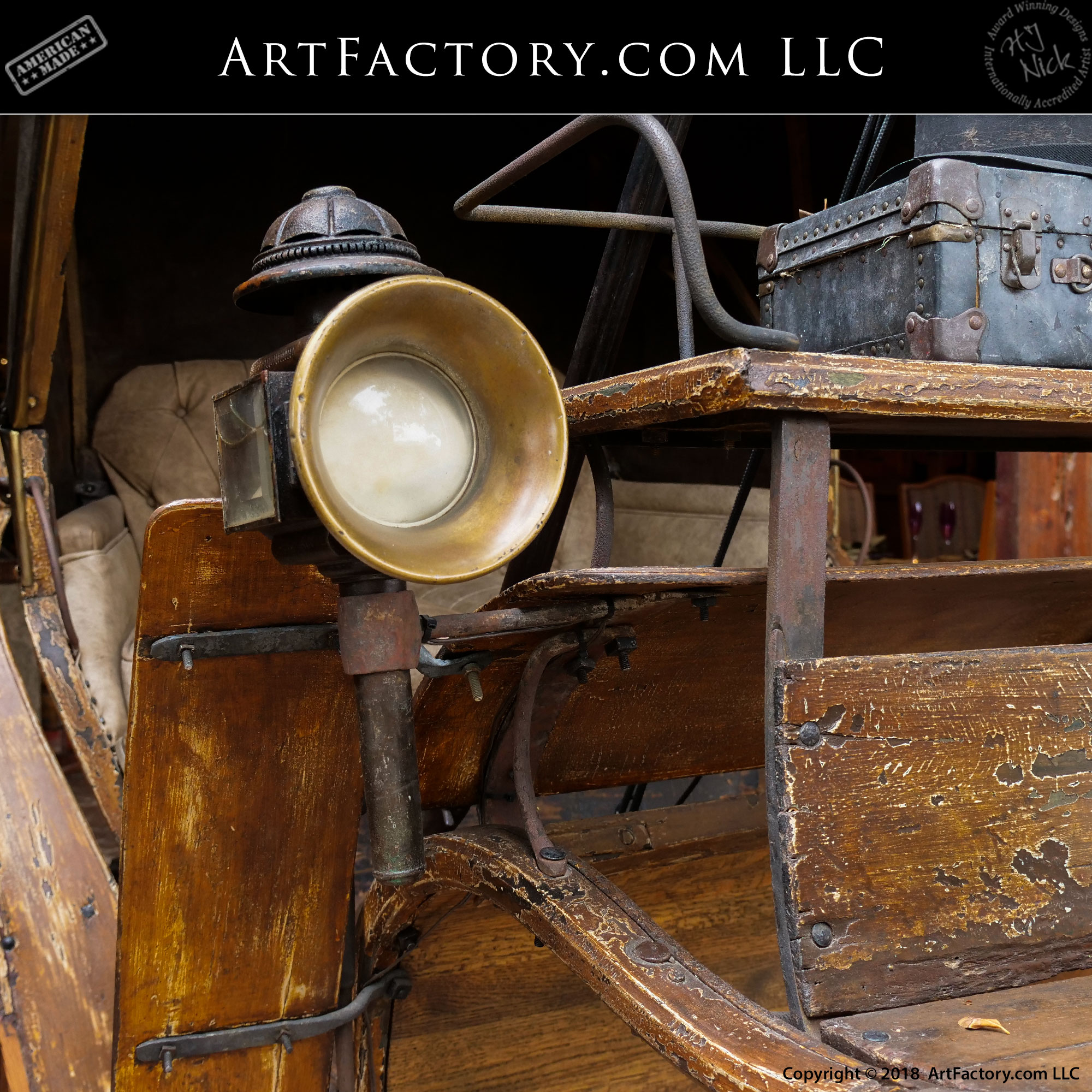
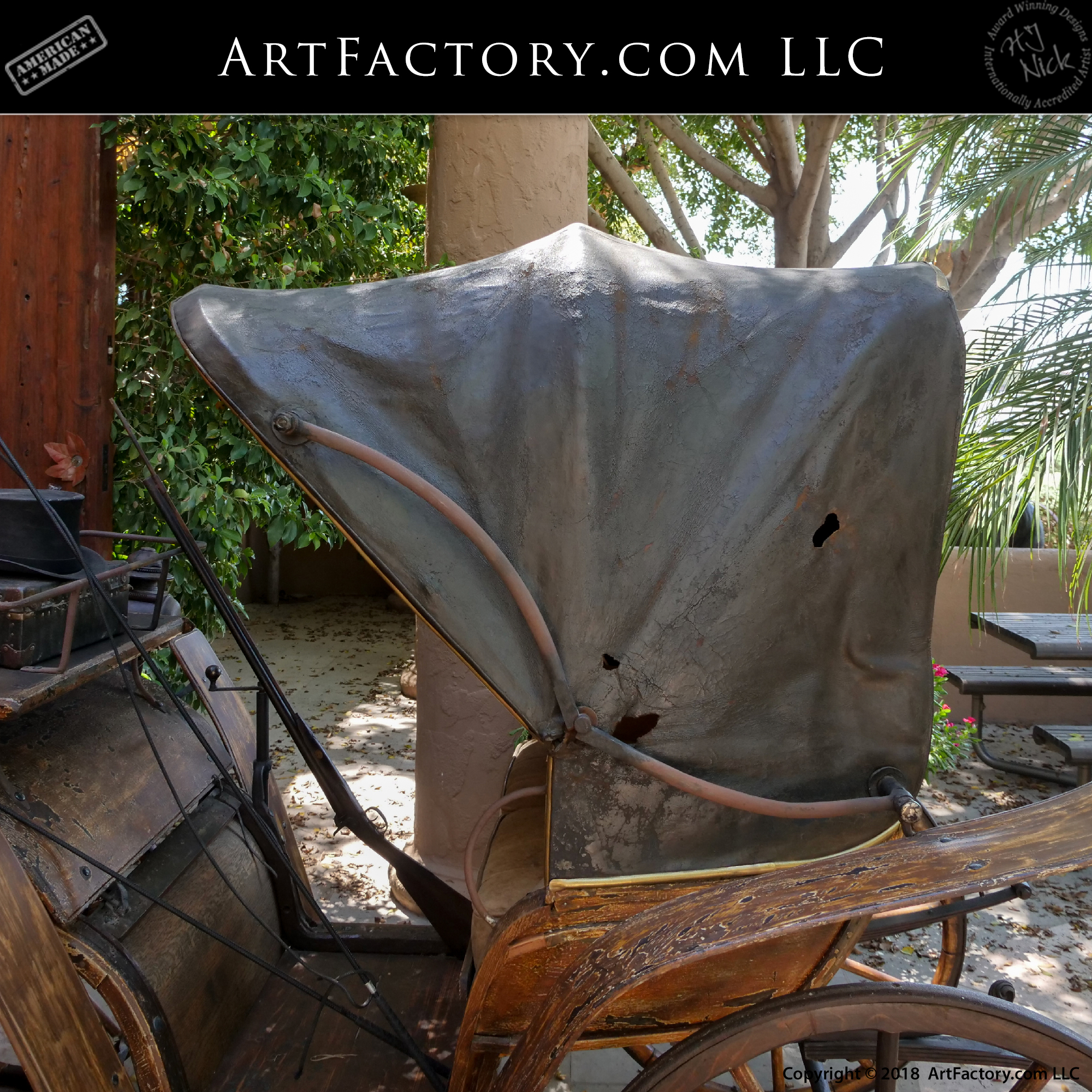
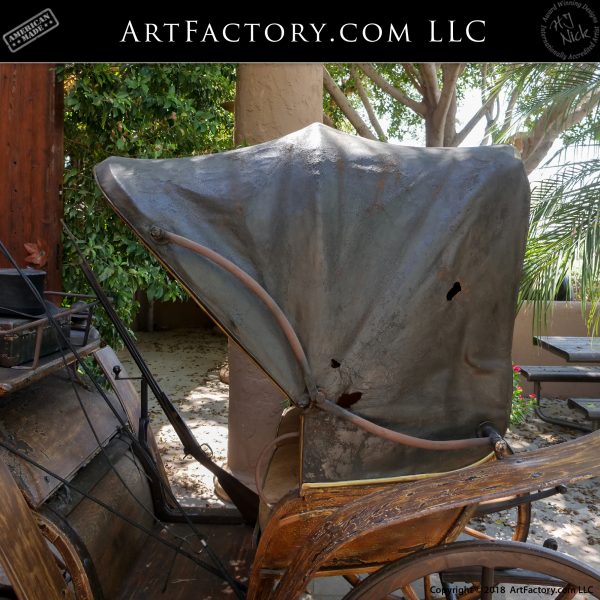
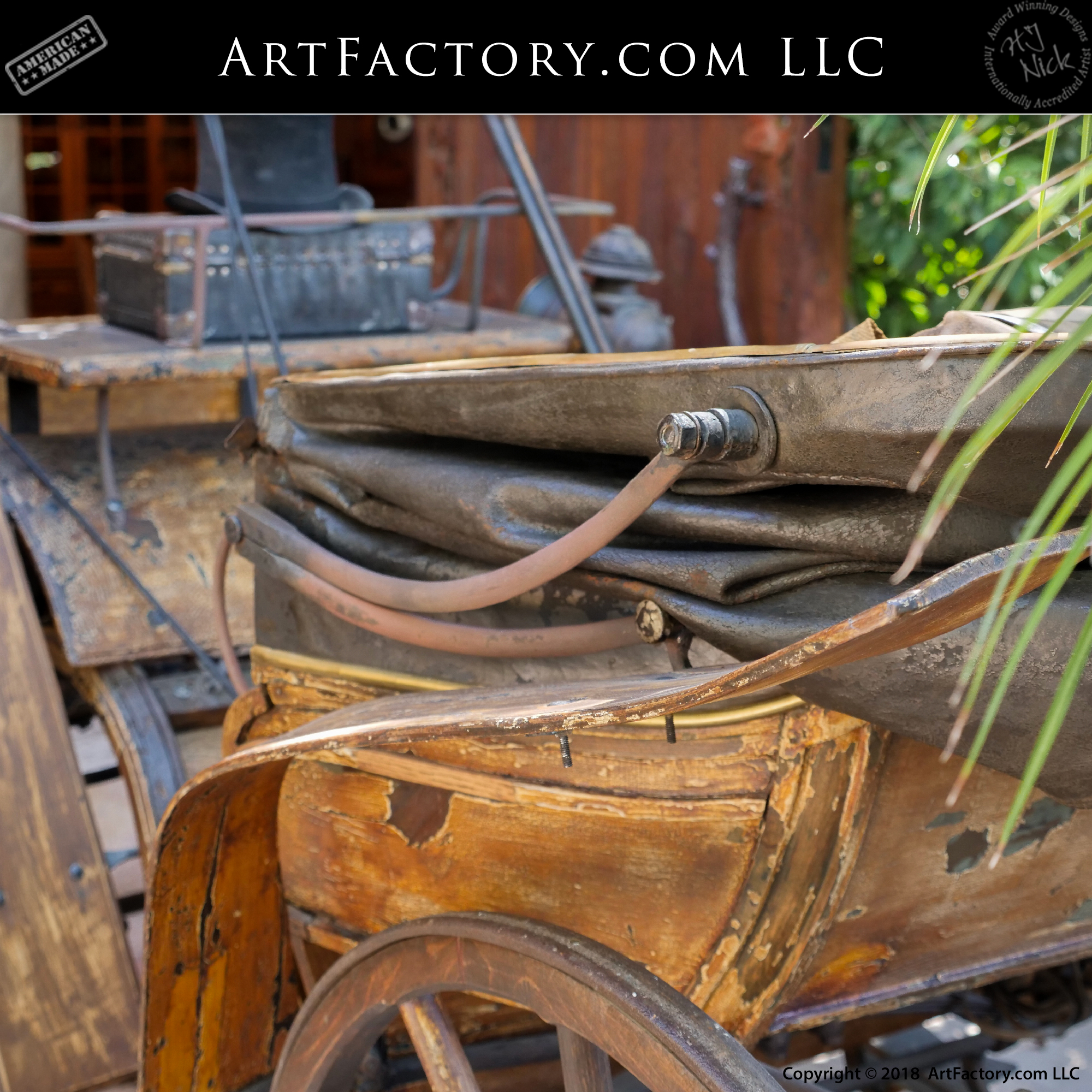
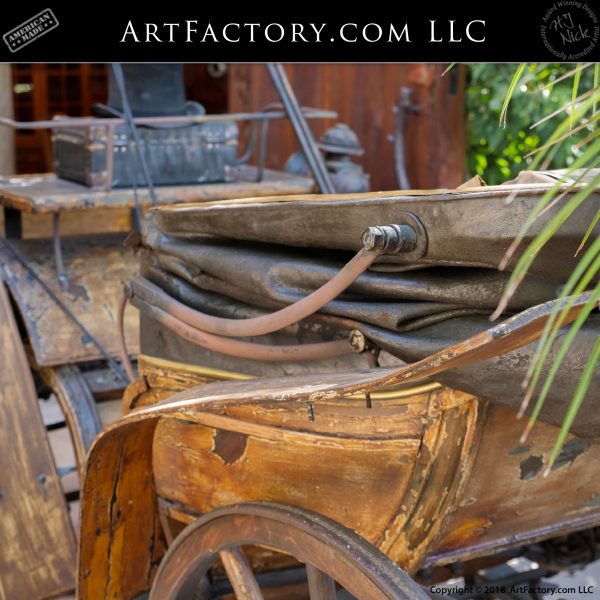
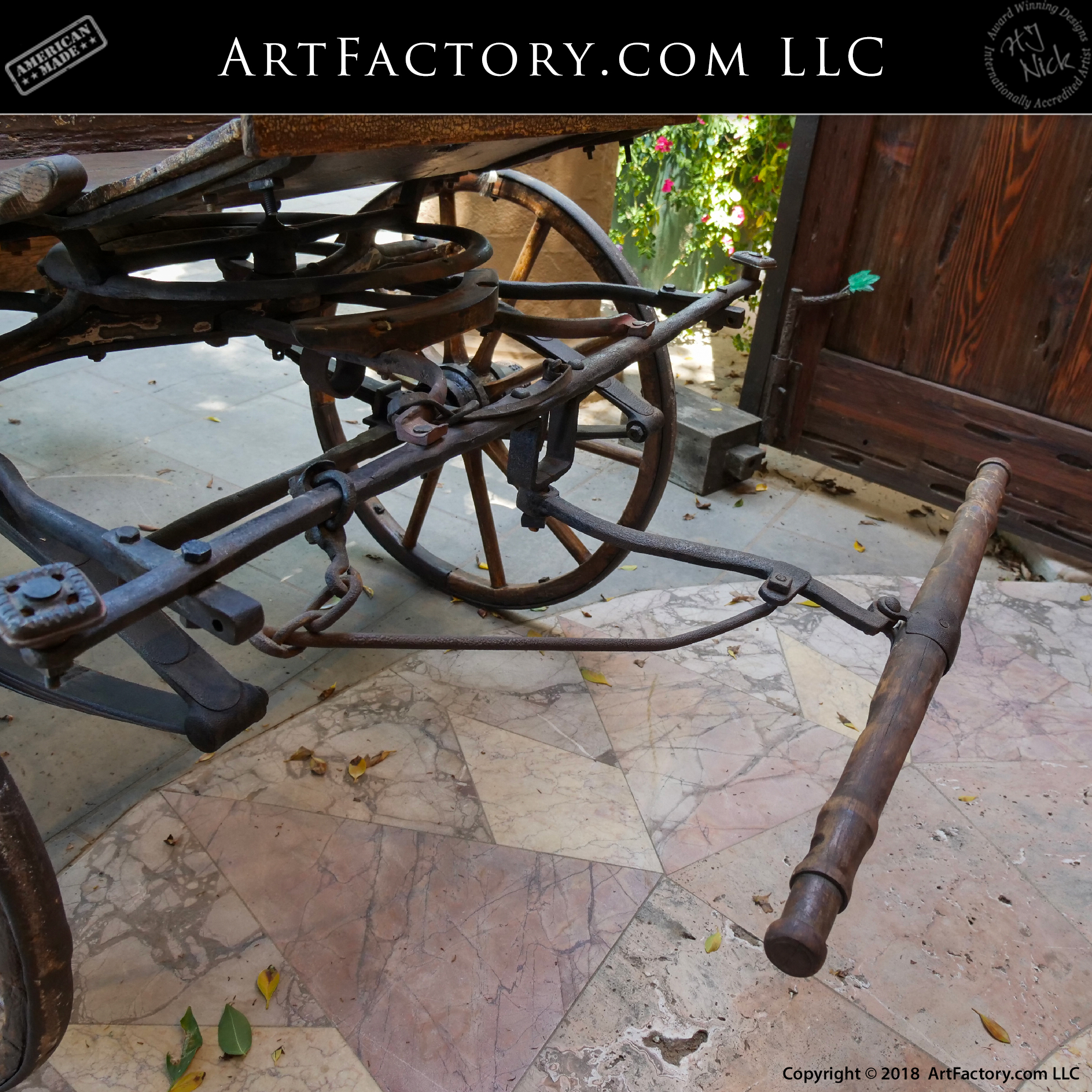
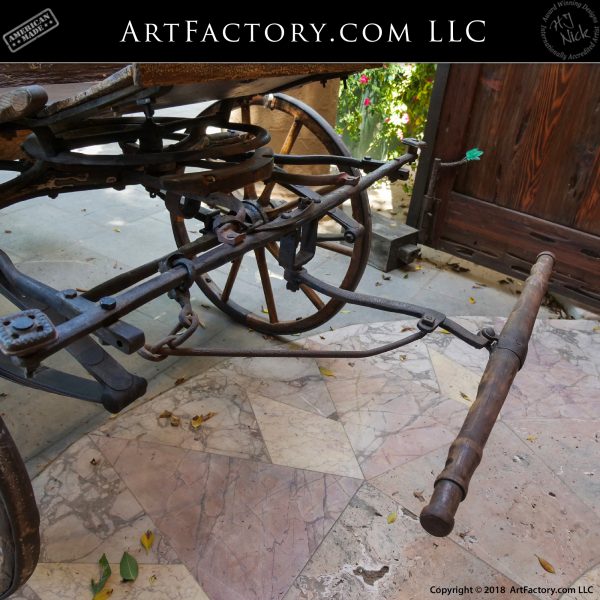
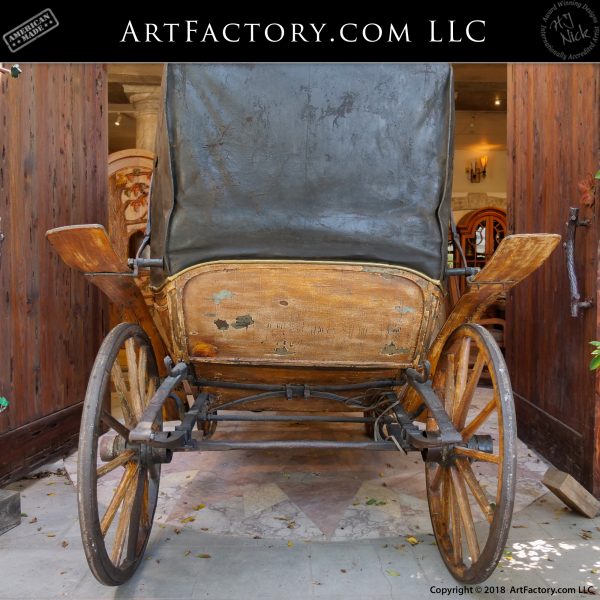
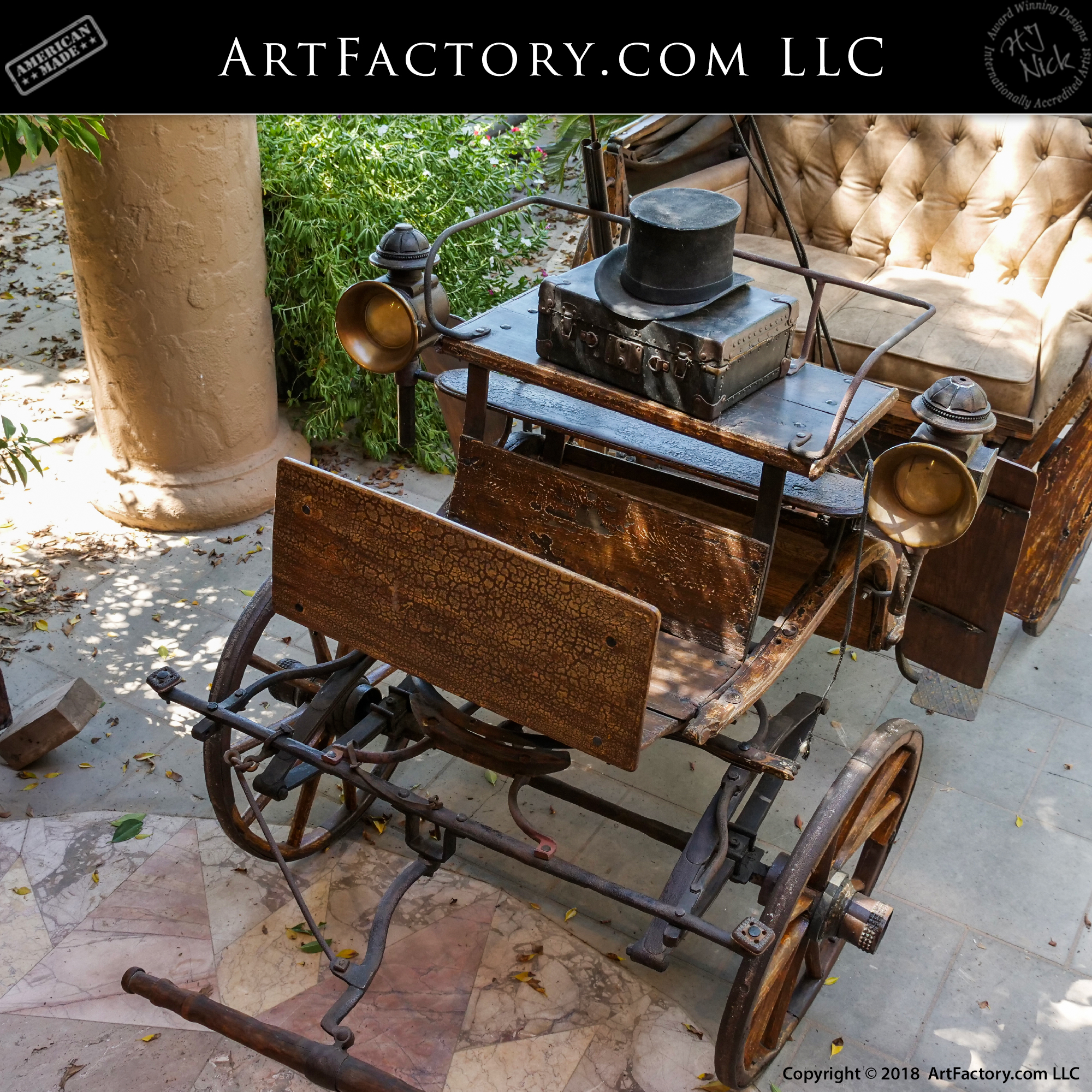
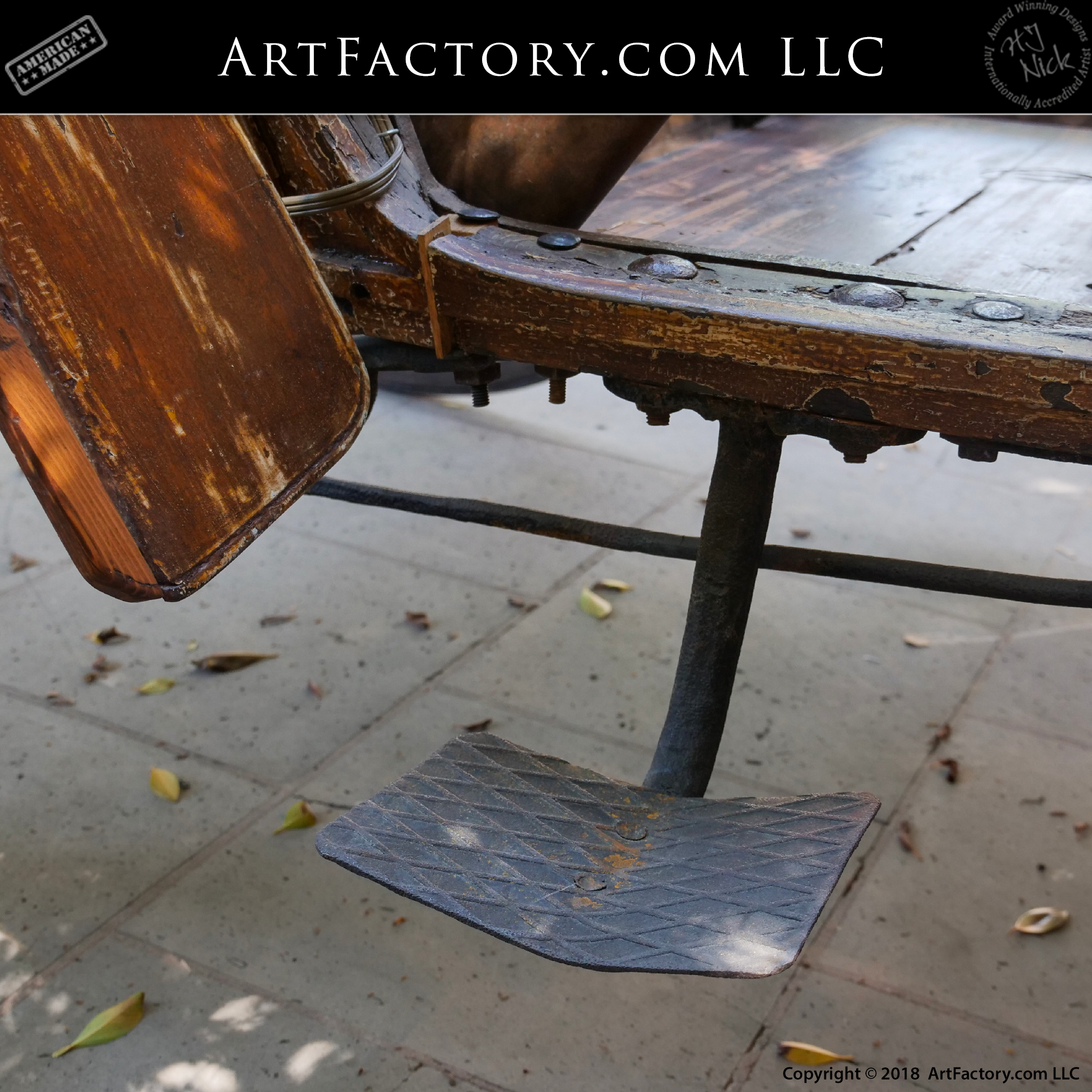
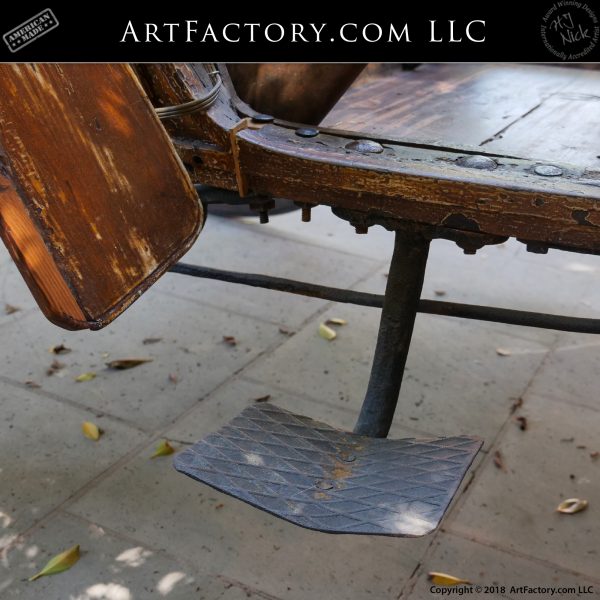
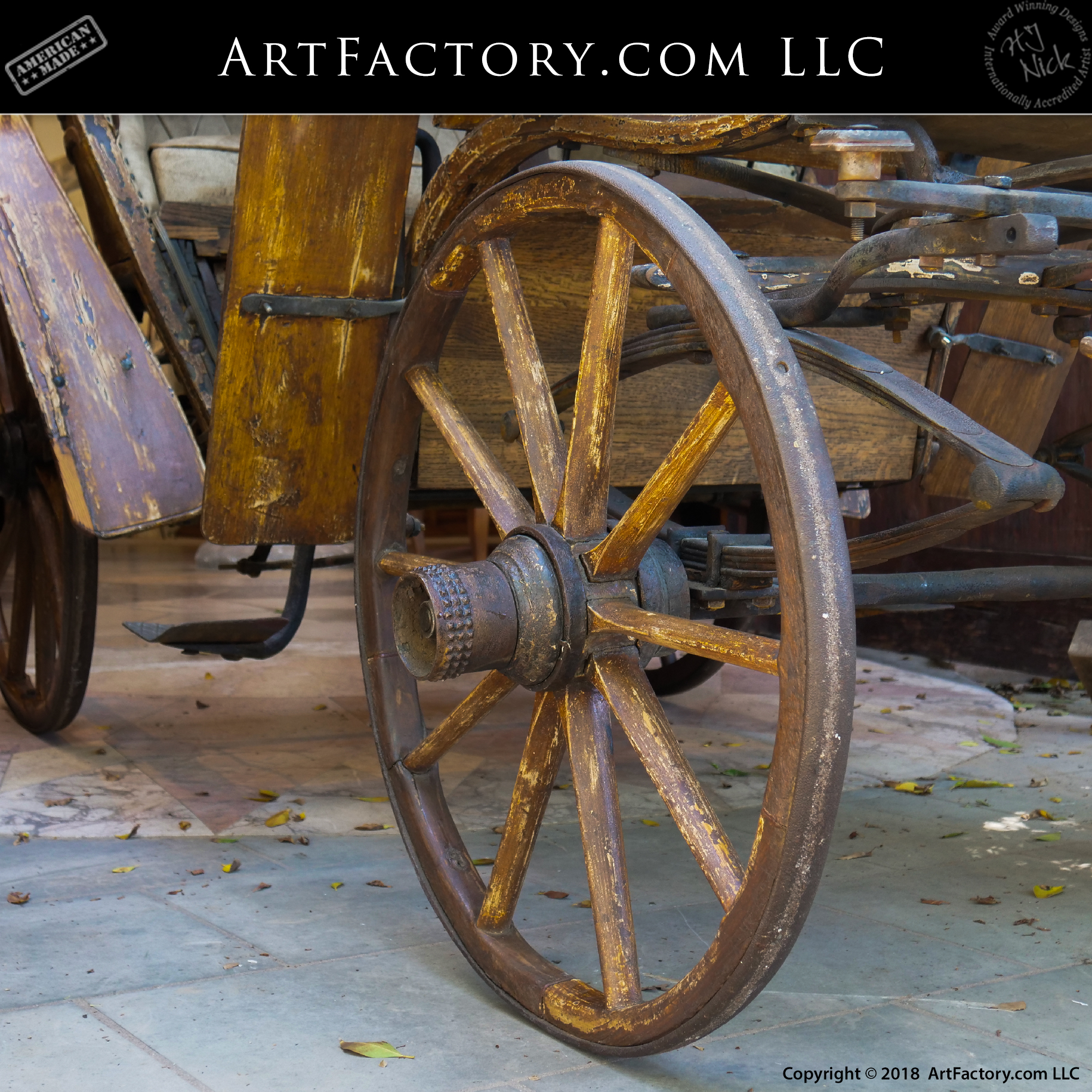
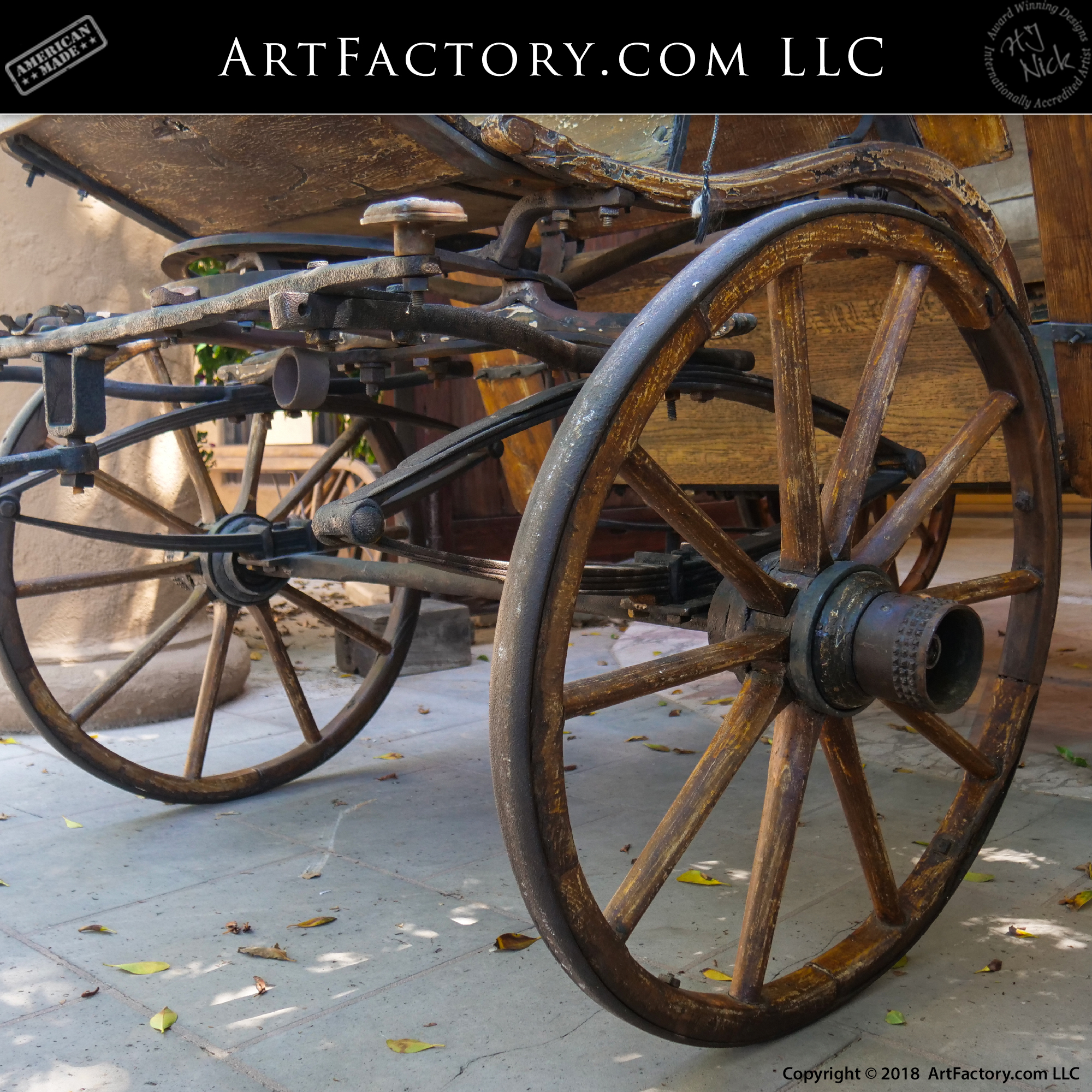
For master builder and artist H.J. Nick, this carriage’s story begins with its construction: genuine wrought iron shaped at the forge, continuous lengths of solid timber bent into graceful fenders and sleigh runners, a pitch-coated leather folding hood, and surviving varnish beneath later coatings on its wooden body. These were the details that persuaded him to acquire it.
Through his direct examination and experience working with traditional materials, Nick attributes the carriage to German handcraftsmanship, probably originating in a small workshop during the 1850s. Its appeal rests in the skill of its makers — craftsmen who understood how wood, iron, leather, and upholstery must work together to create a comfortable, serviceable vehicle.
 There Is No Going To The Store For Parts Needed To Restore This Calash
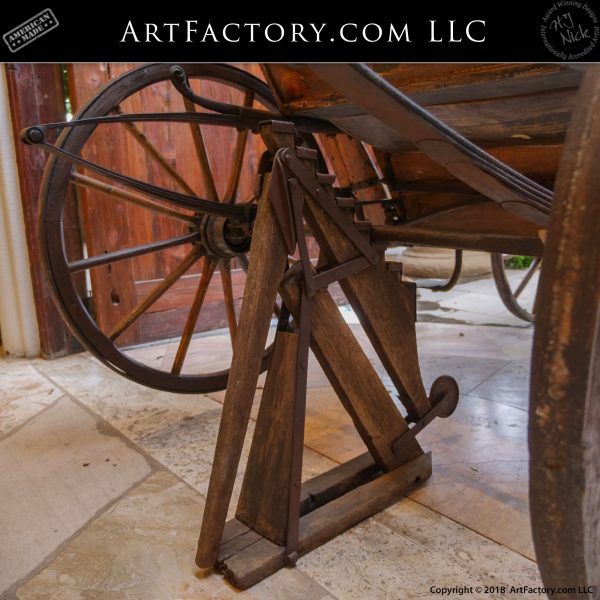
If This Calash Is To Be Road Worthy Again And Authentic - Every part necessary must be hand made in the same hand as it was made in in 1840. Each piece of broken wood would have to be hand bent or shaped by the hands of a master wood worker. The pitch coated leather top and horse hair filled tuck button upholstery was made by a master of leather work and hand stitched fabrics in the 1840s. In the 1840s - and today - there were no going to the store to get the parts you need to create such a piece. Each piece would have to be made by hand from scratch. This carriage was built by German master craftsman of the 19th century to stand the test of time.
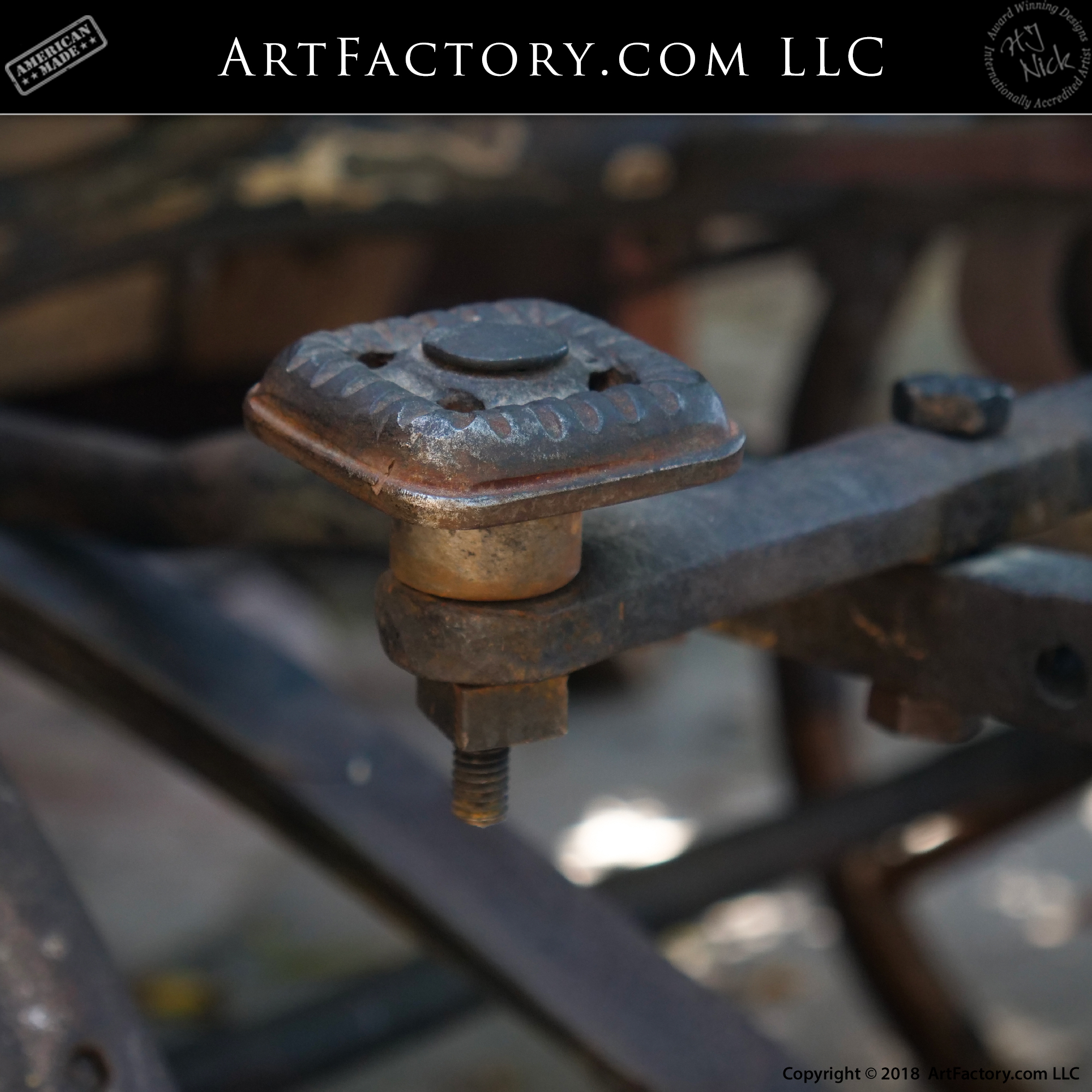
ArtFactory.com is a company manufacturing in the 21st Century in the same hand as any carriage company of high reputation would have been operating in the 18th and 19th century. Our master blacksmiths, millwrights, wheelwrights, and leather smiths are classically trained in the art of in iron working, wood working and upholstery etc. All iron parts are hand forged by our master blacksmiths using a hot forge, anvil and hammer in the same hand as in 1840. No details are left out and there are no cheap casting or so called drop metal faux forged parts. All wooden parts are also reproduced in the same hand as the original work.
As with this Calash we only build proud to own family heirloom furnishing, rich with family history and priceless heritage that become cherished family heirlooms that are guaranteed to stand the test of time in the same way this 168 year old carriage demonstrates.
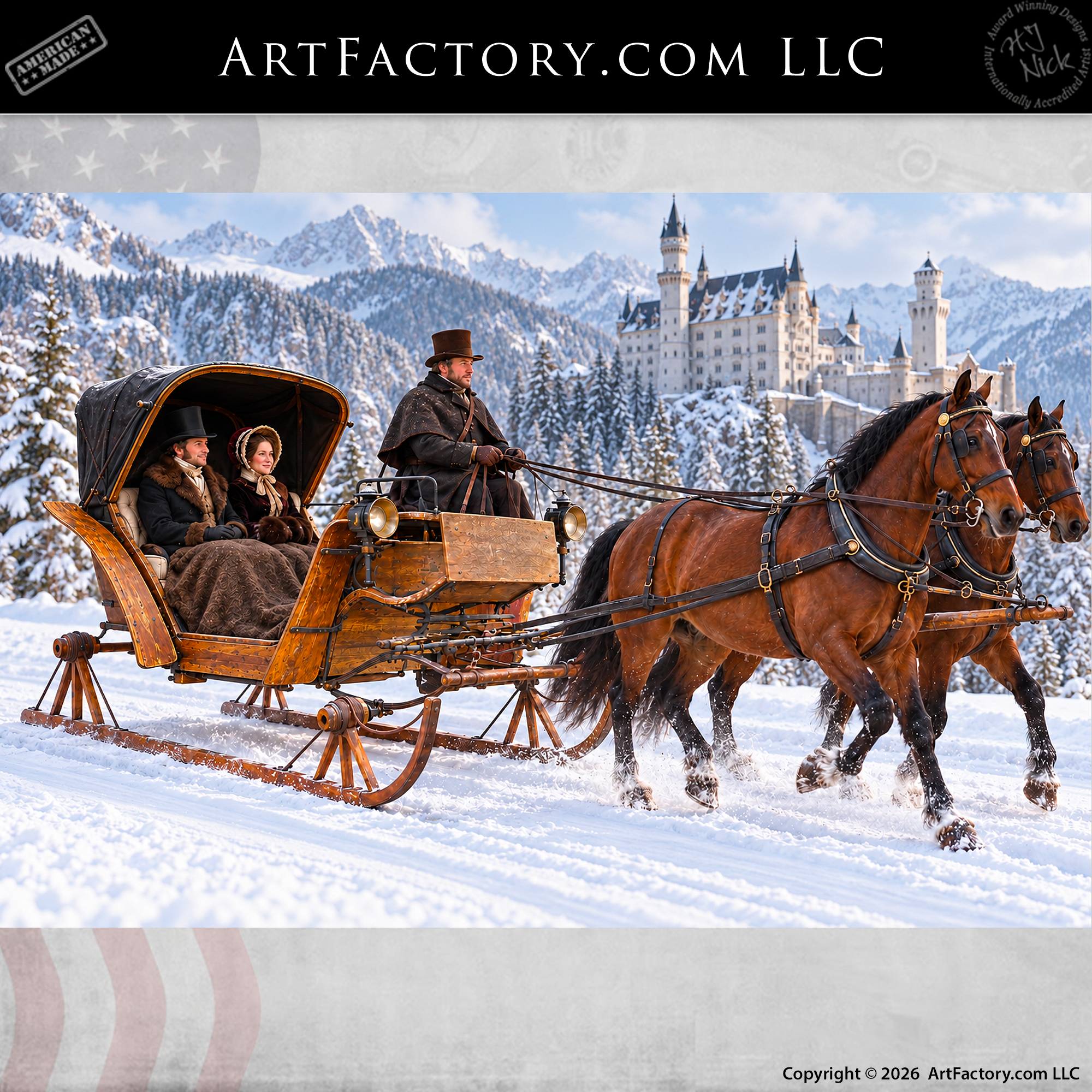
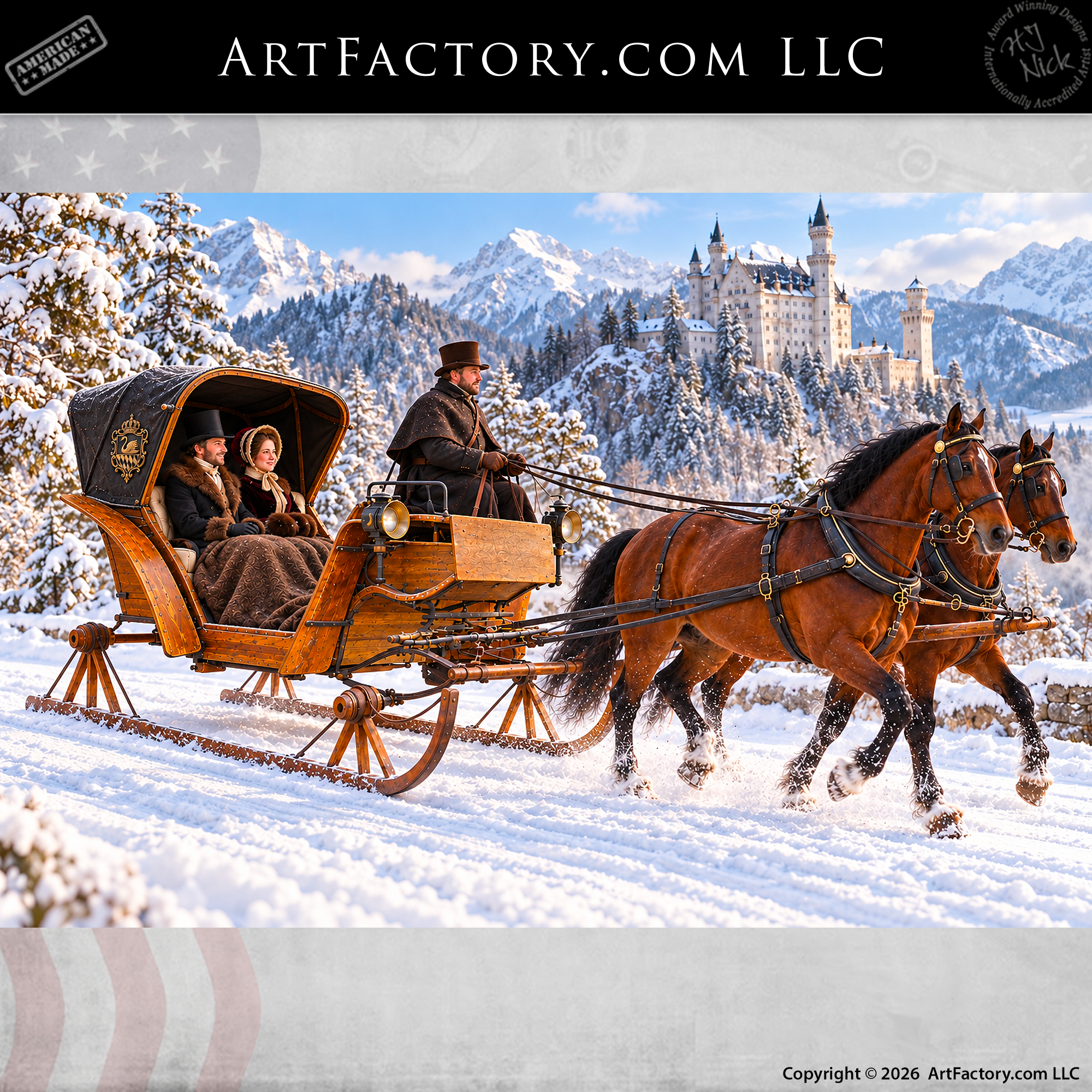
One Carriage for Summer Roads and Winter Snow
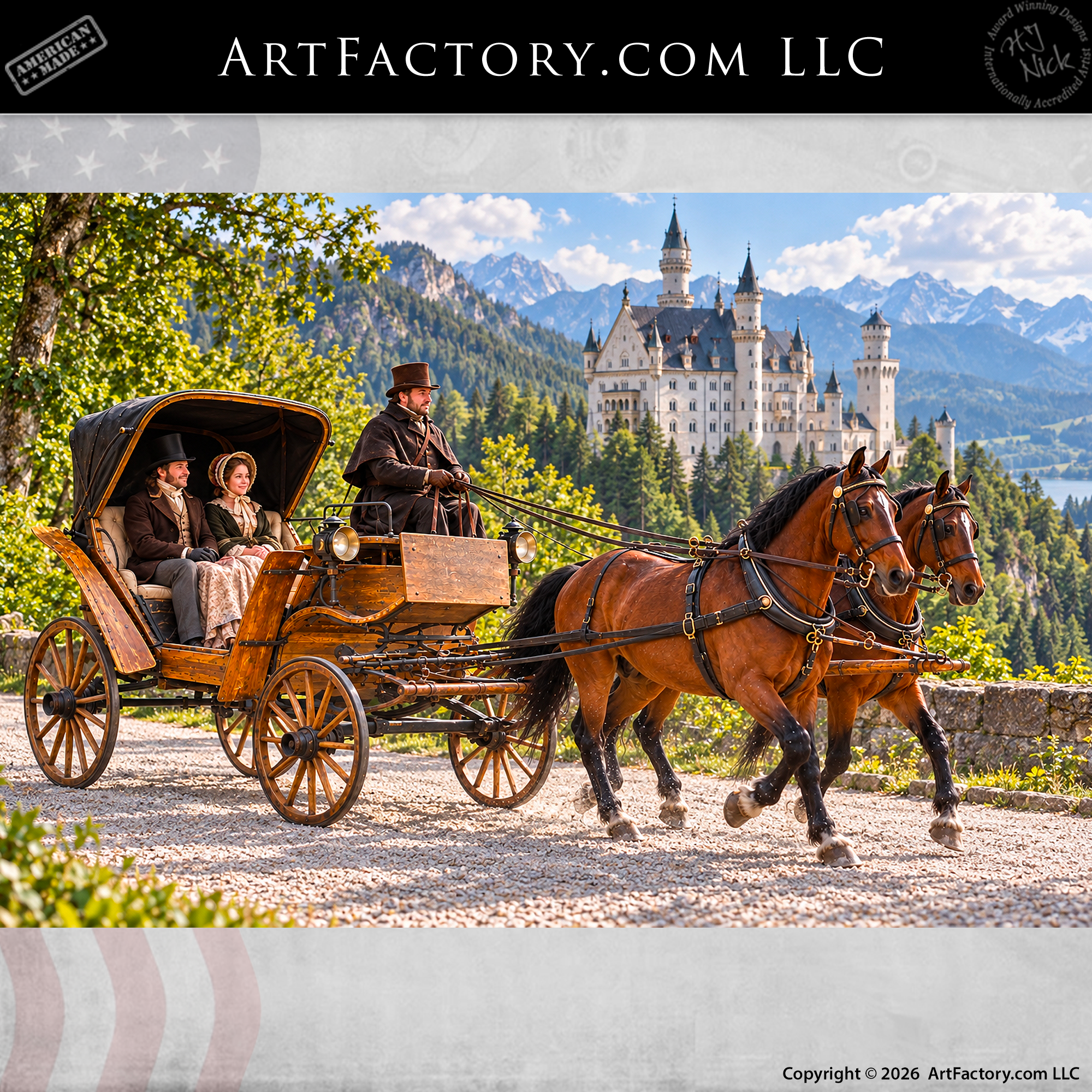
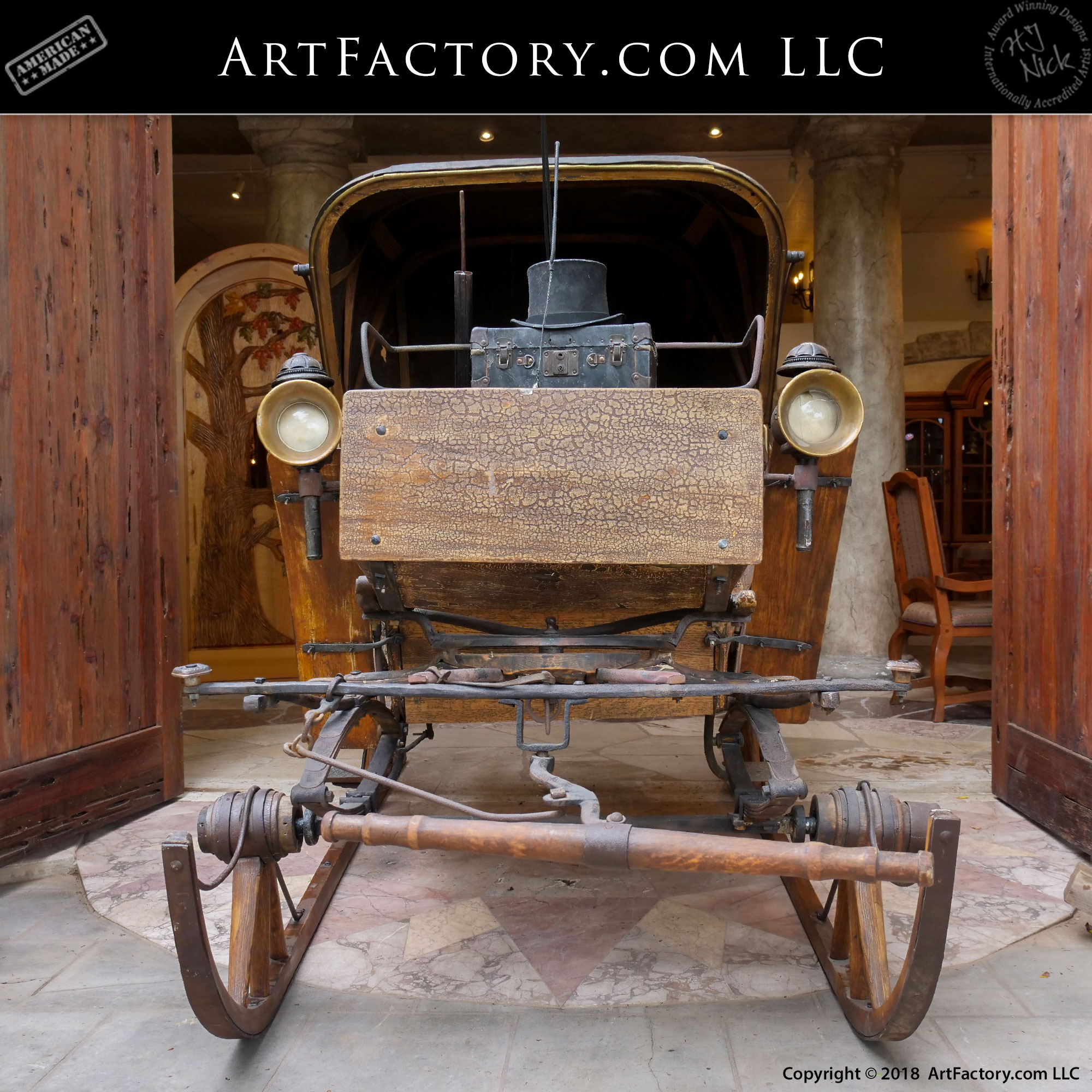
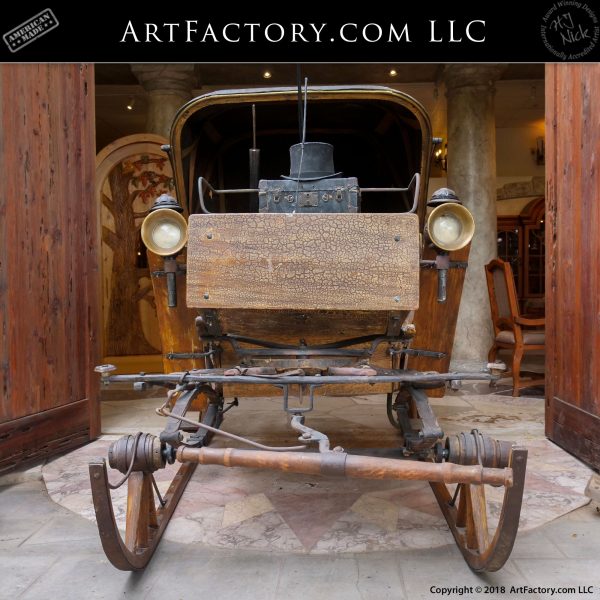
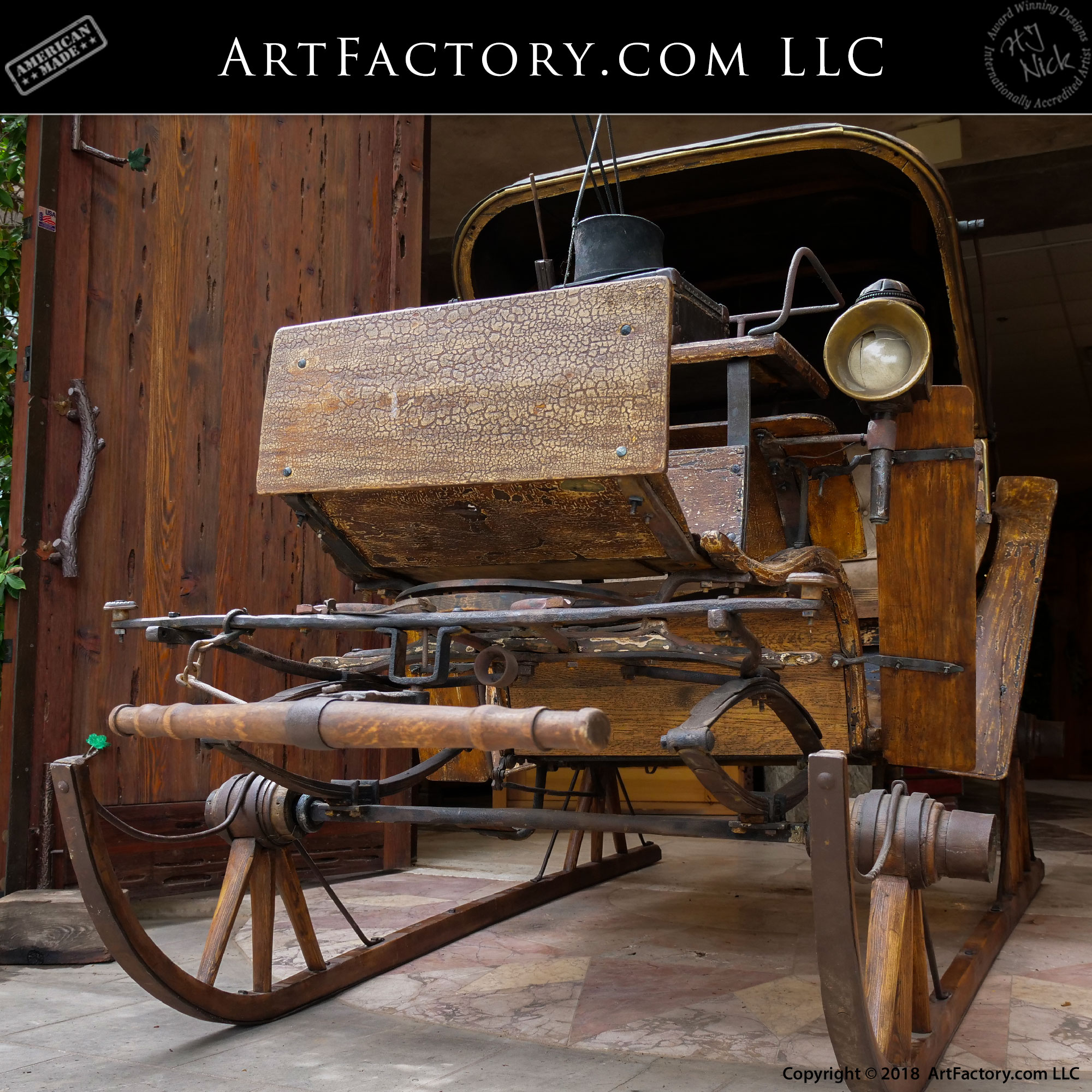
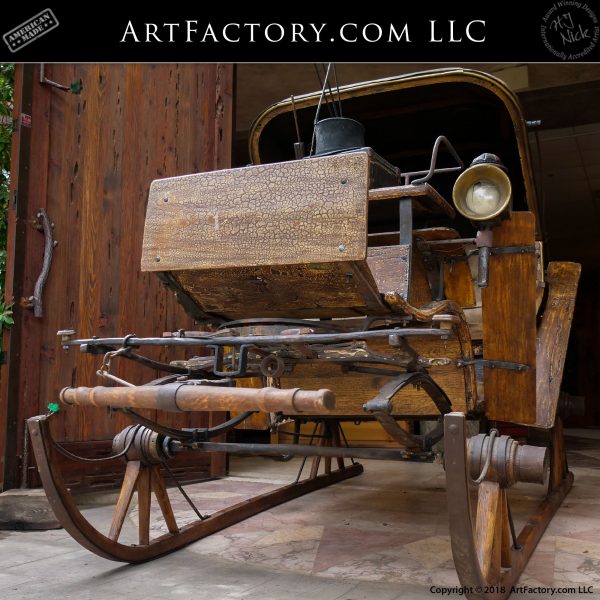
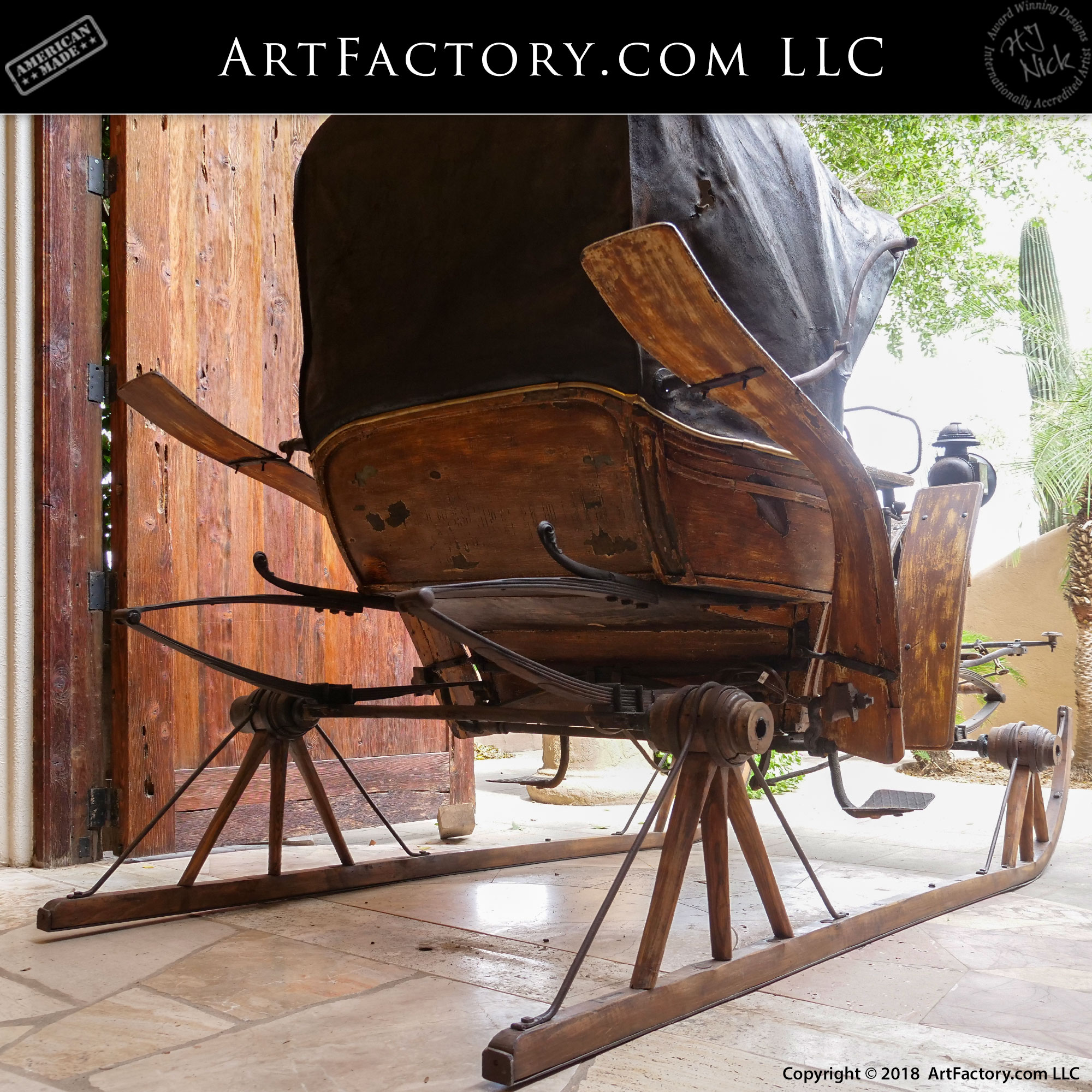
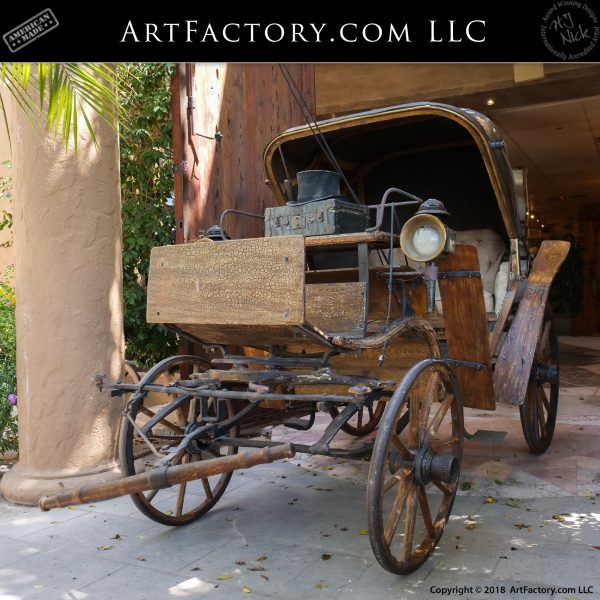
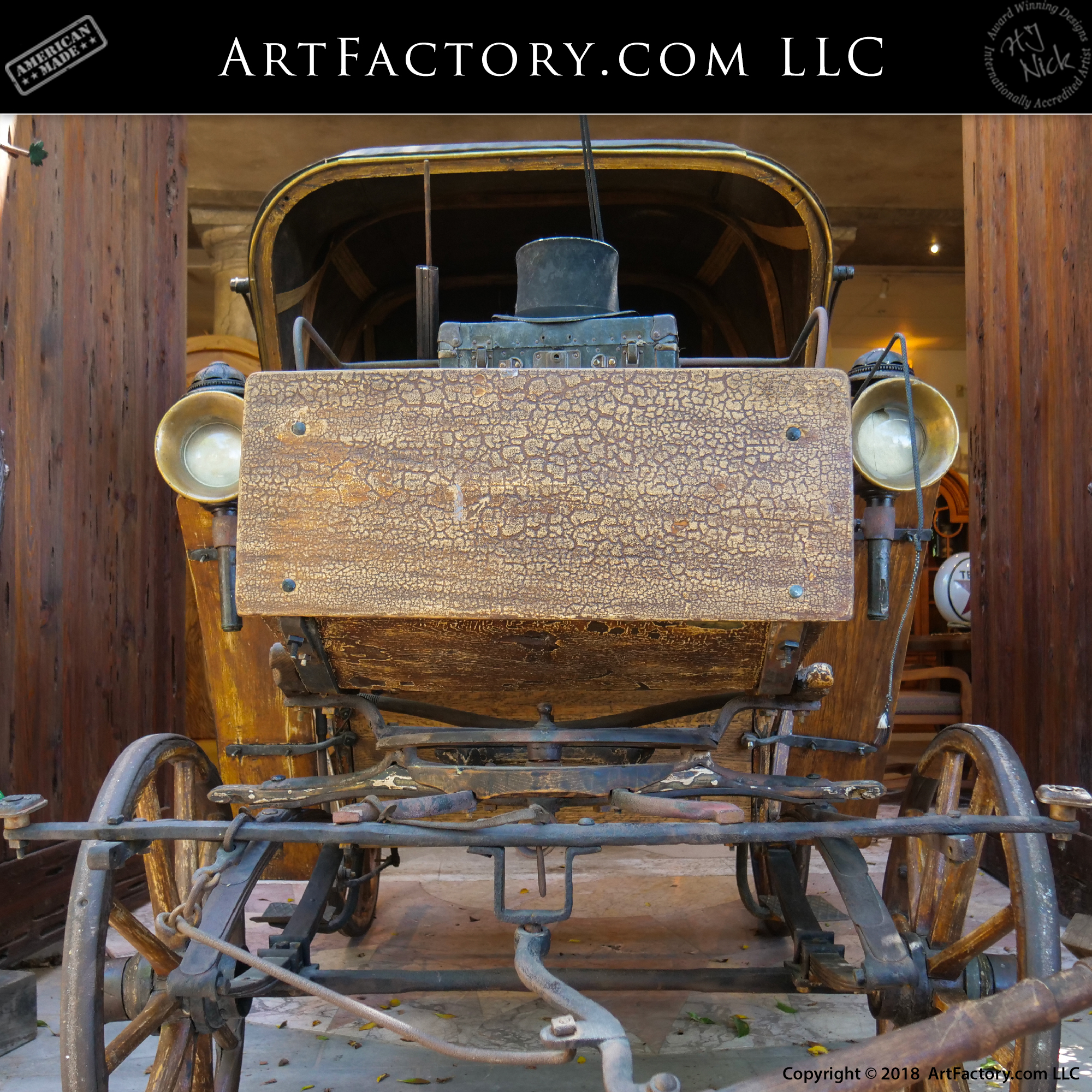
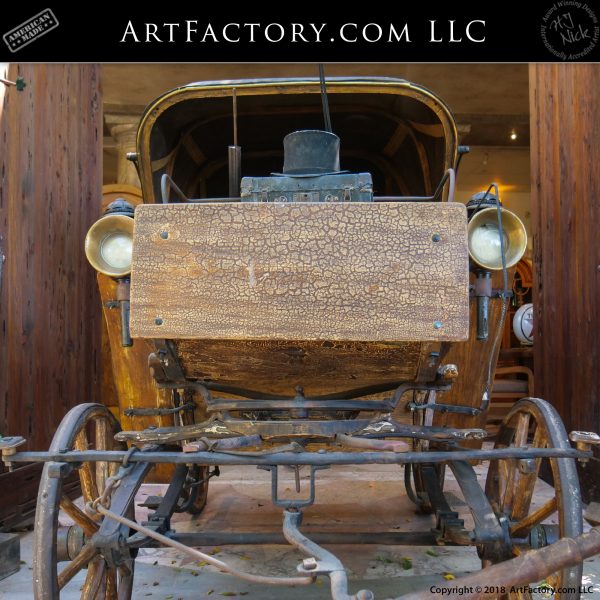
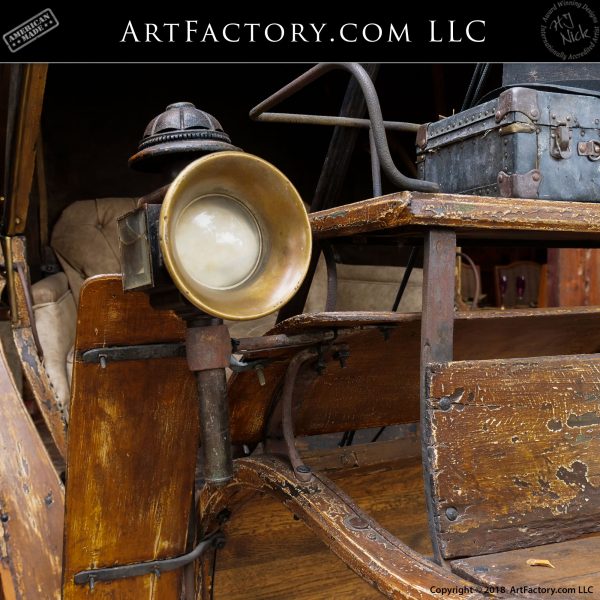
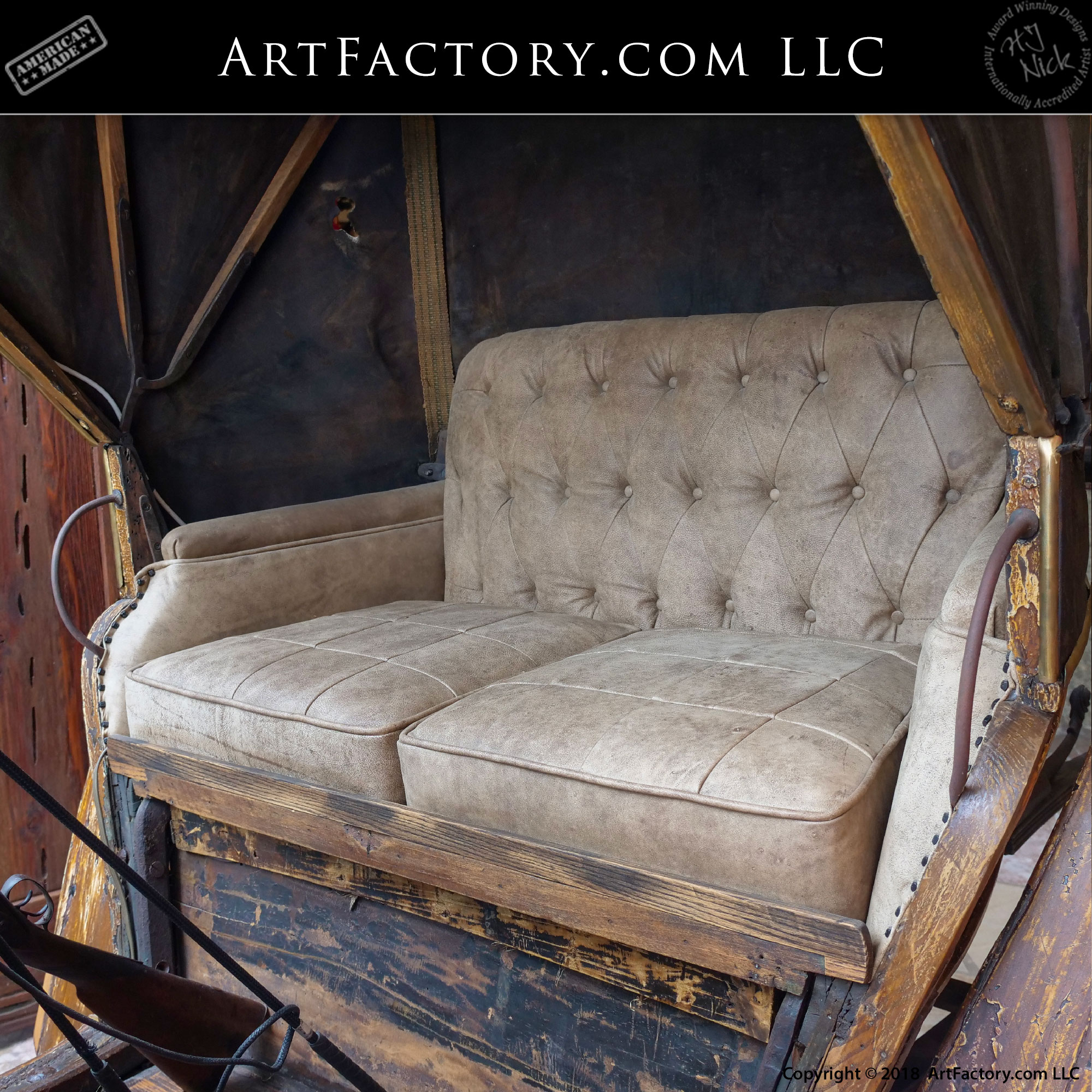
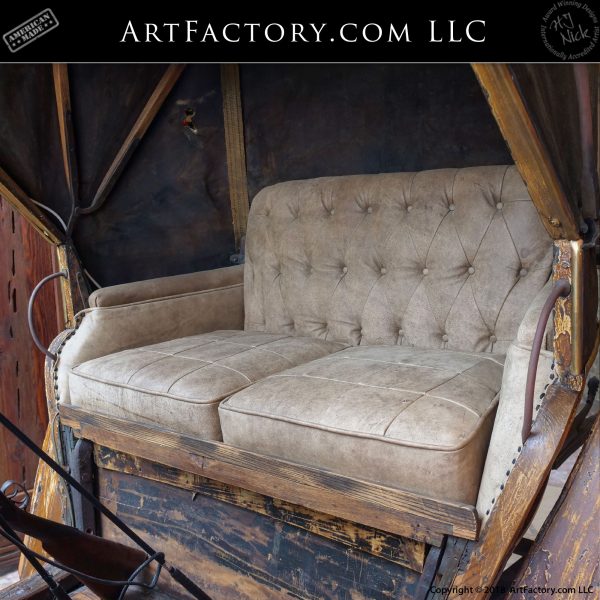
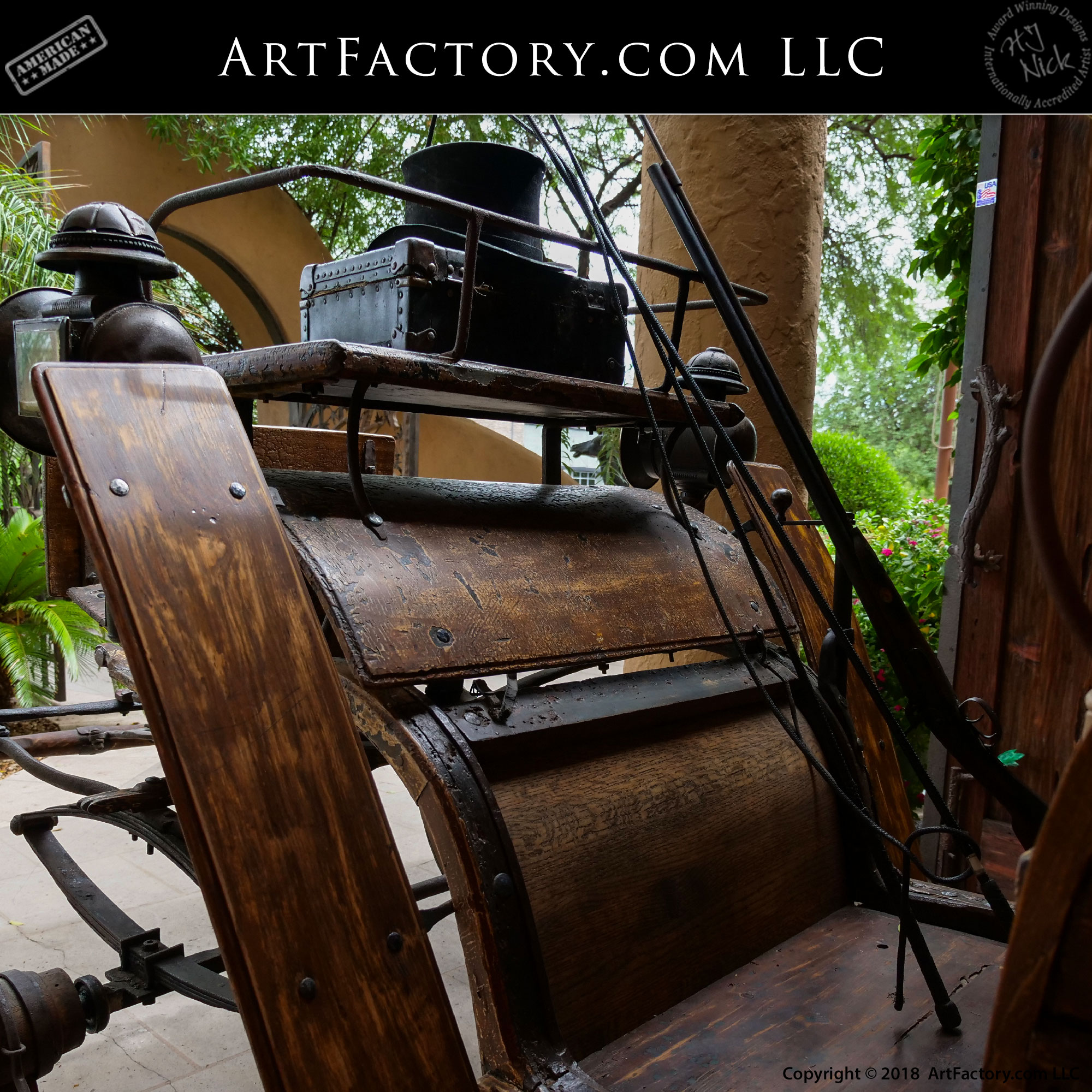
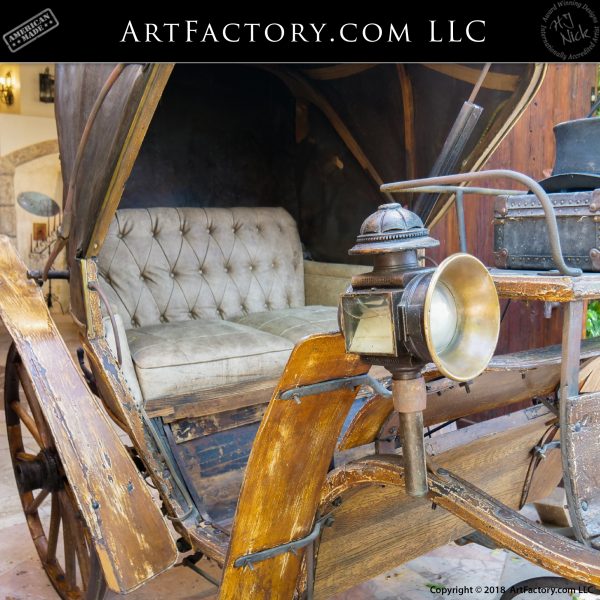
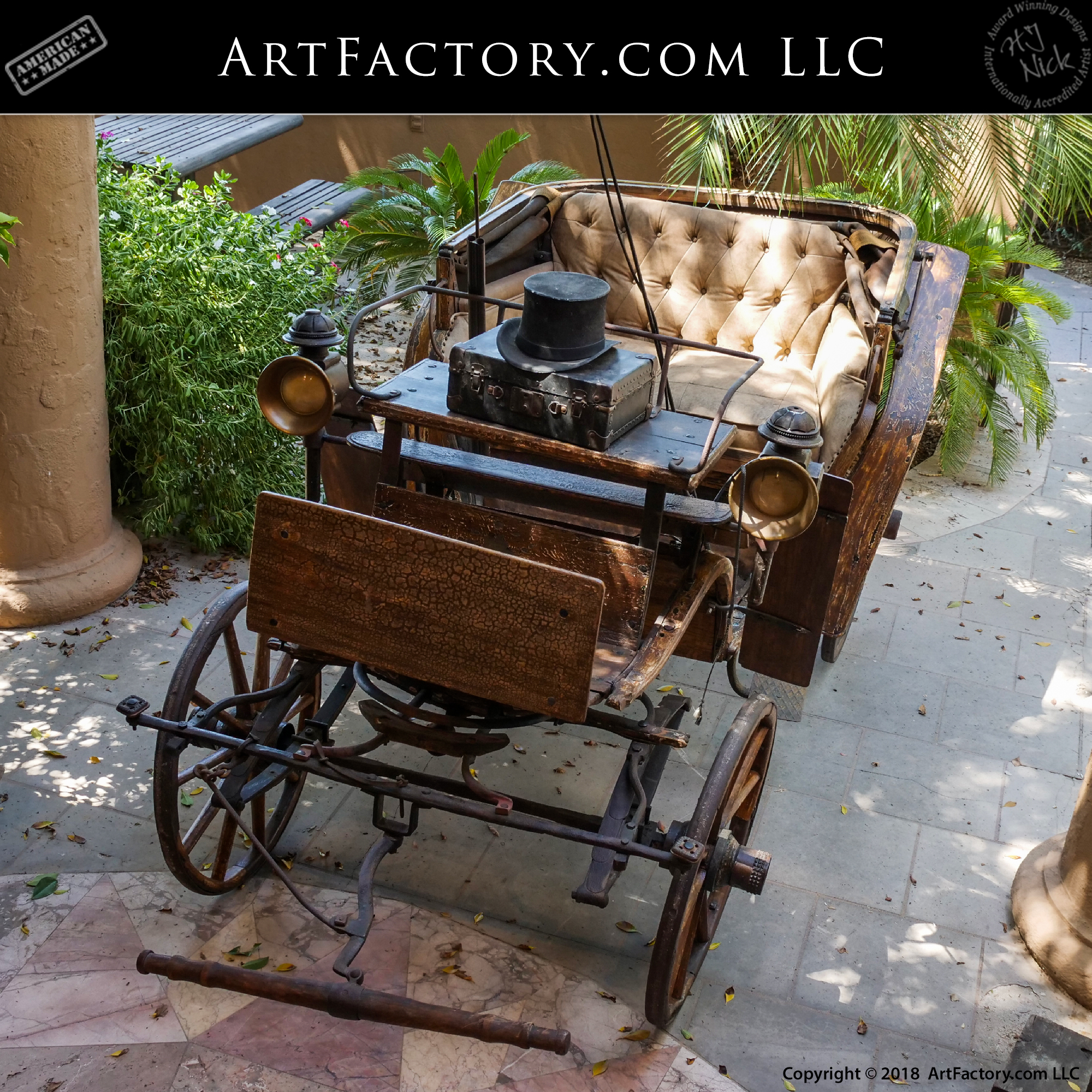
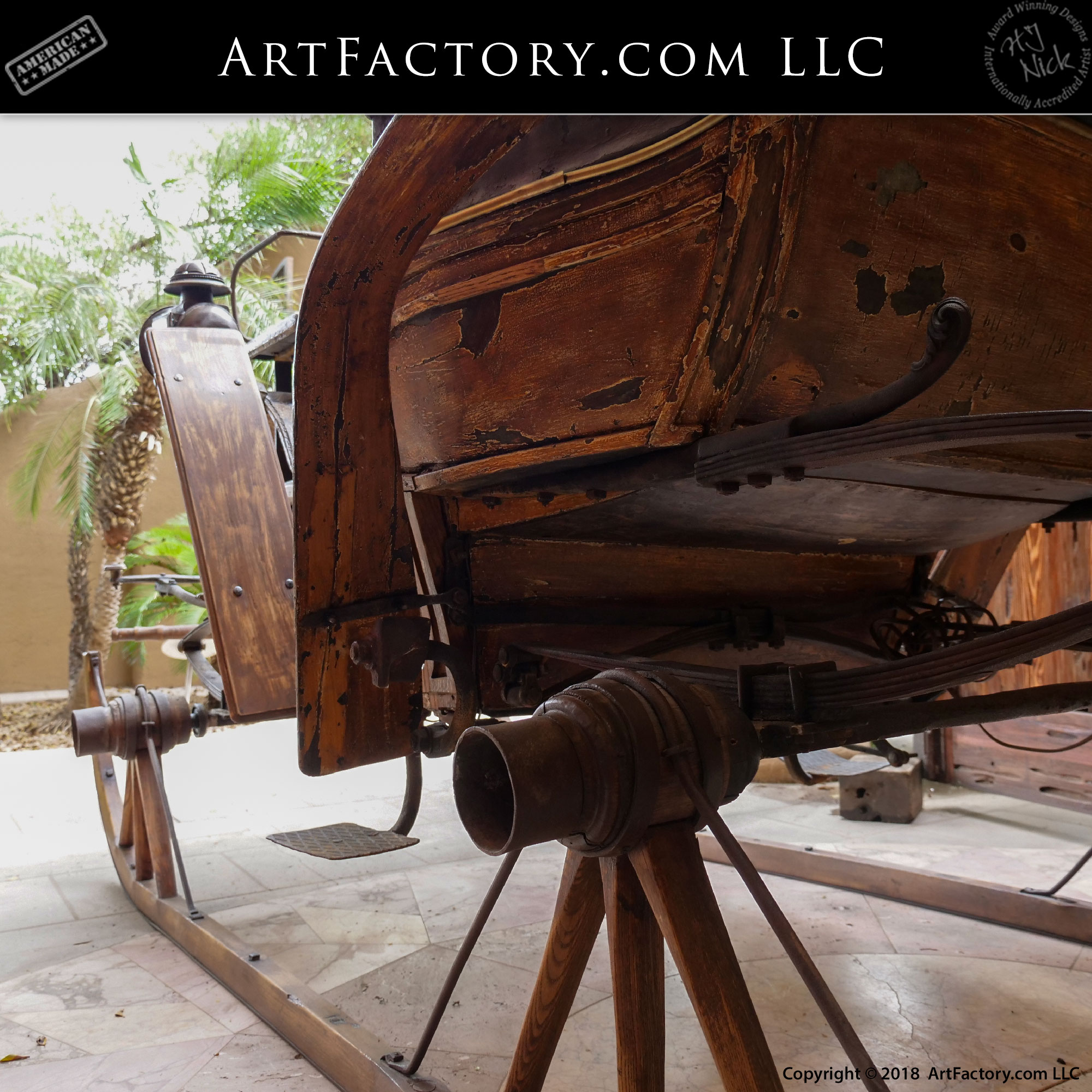
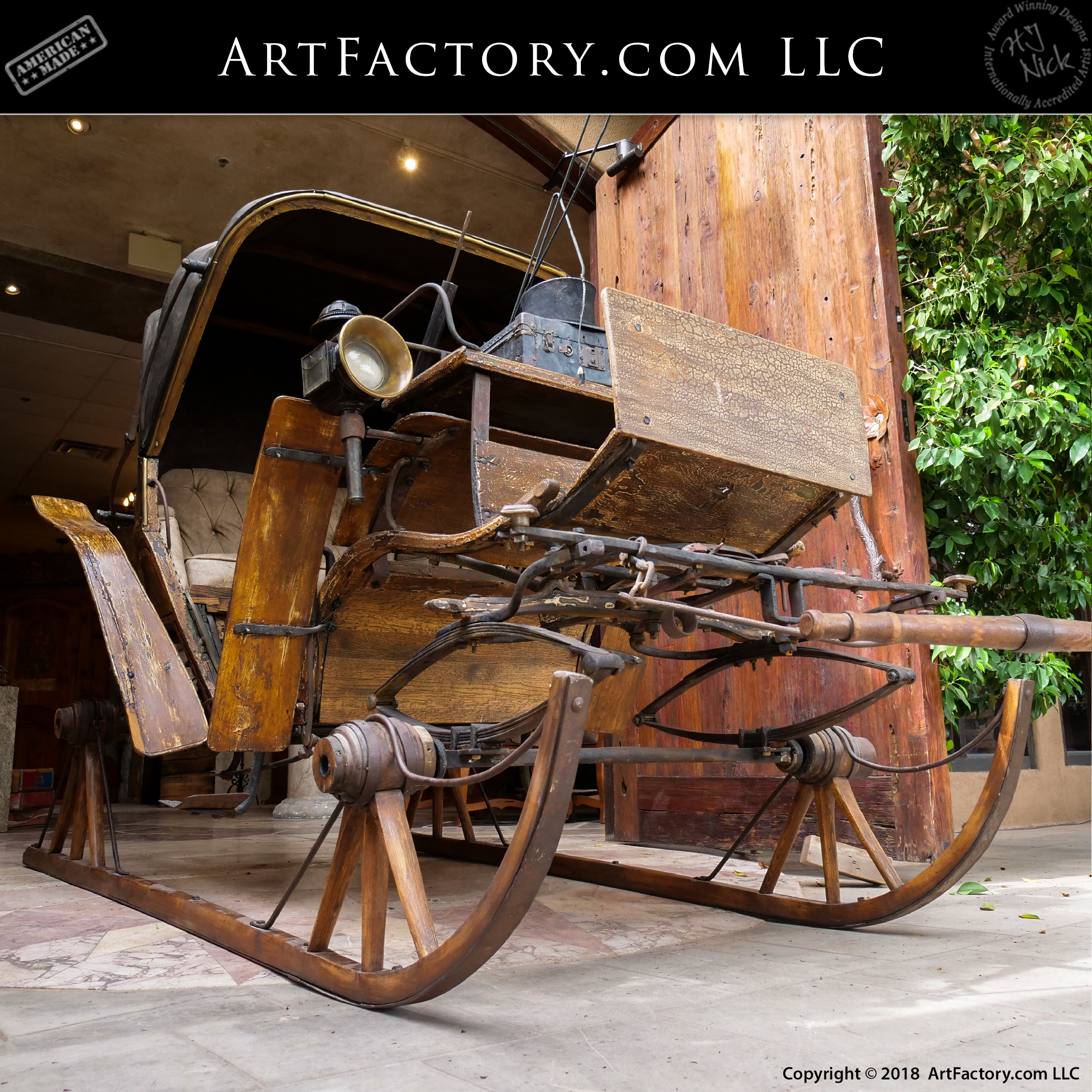
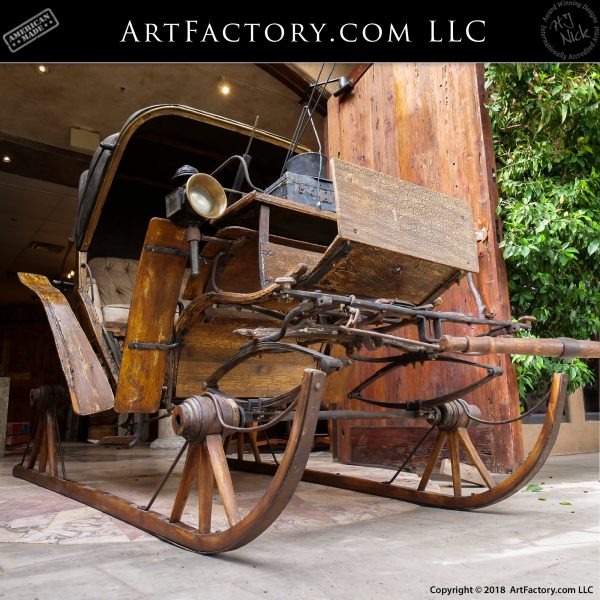
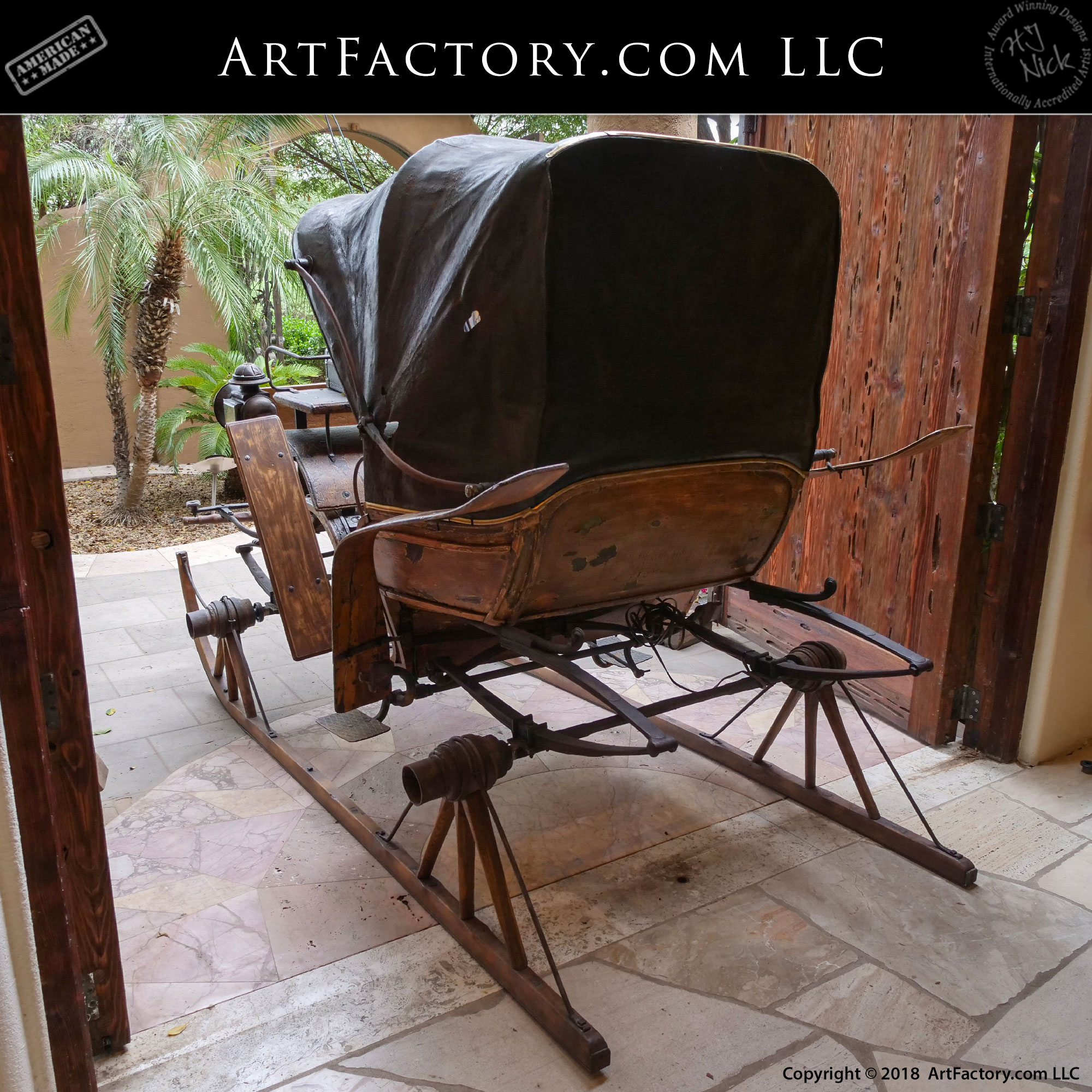
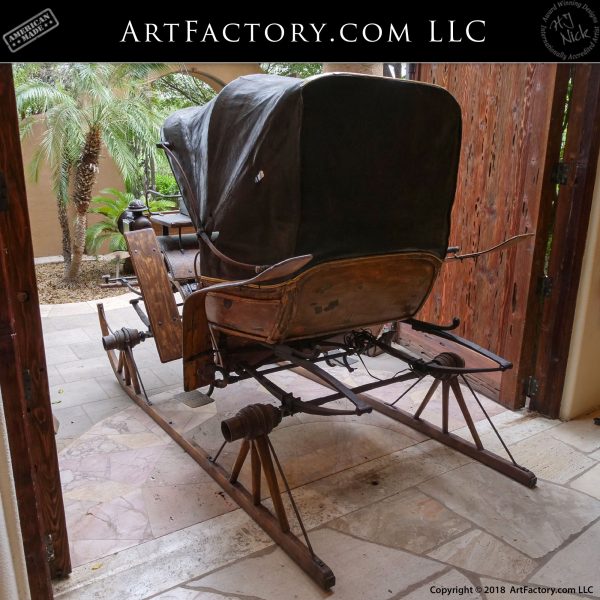
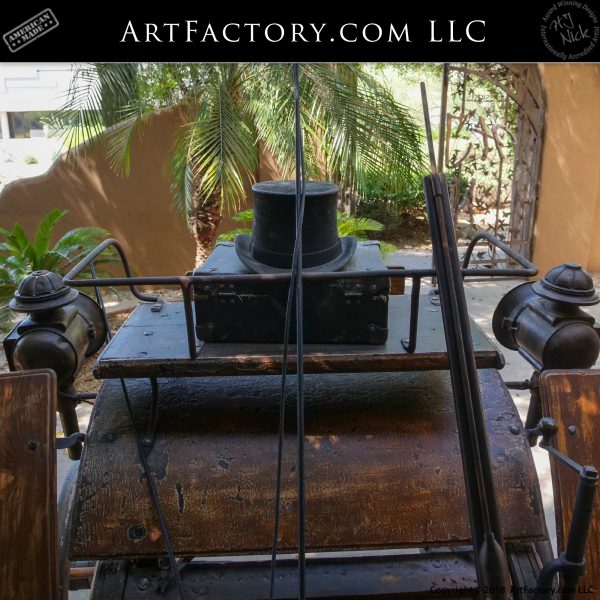
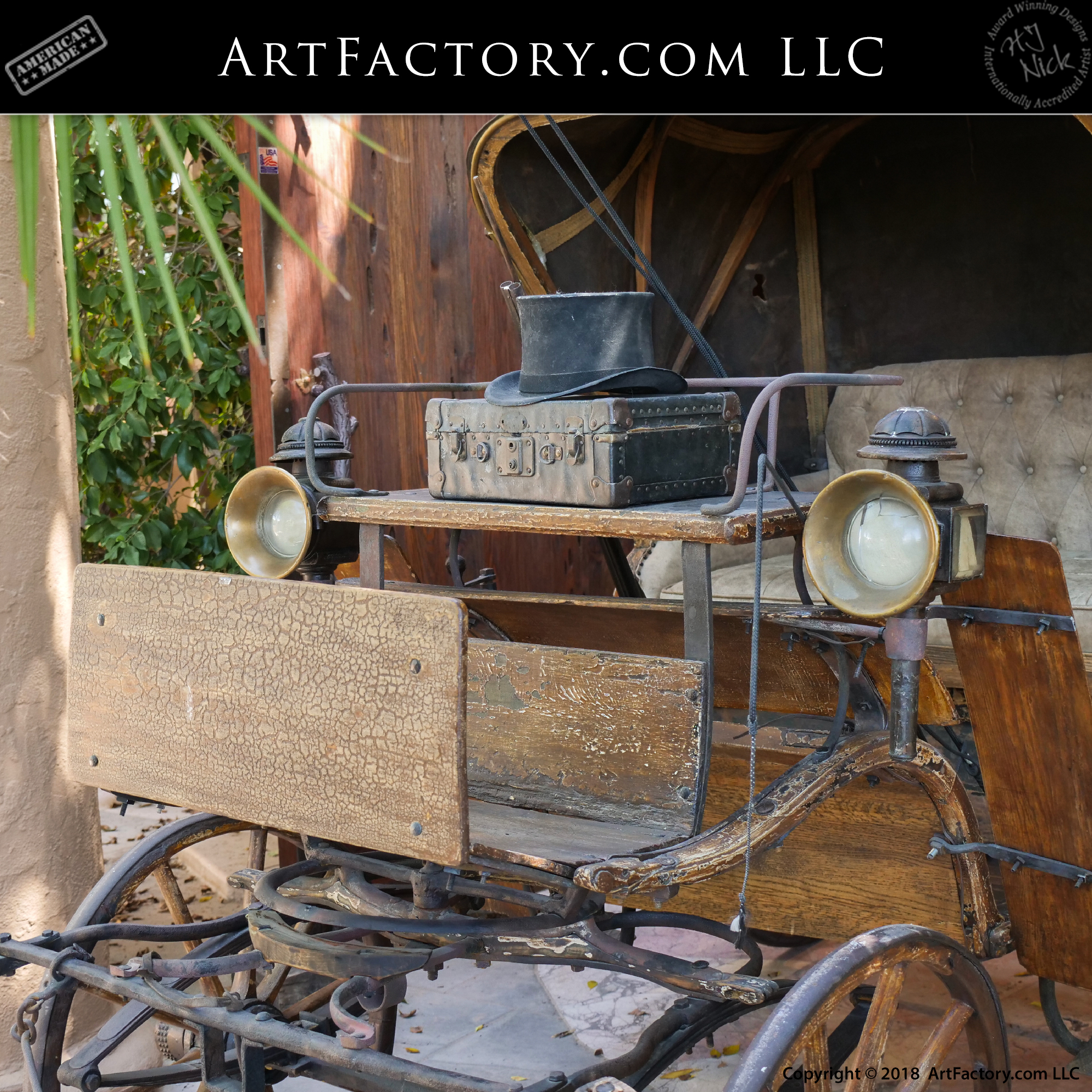
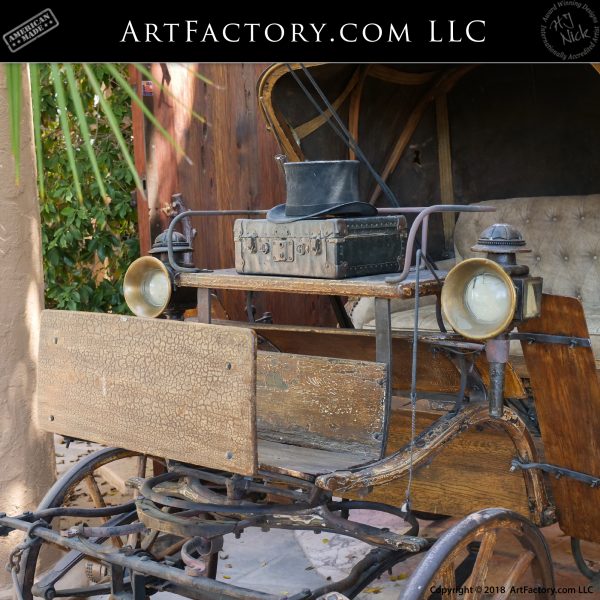
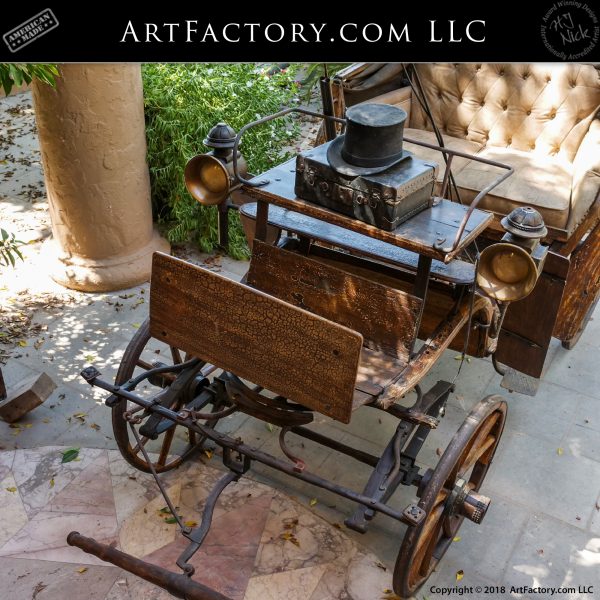
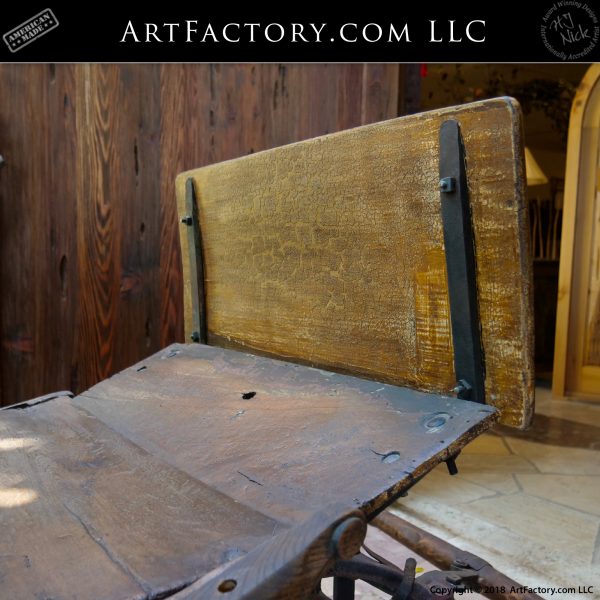
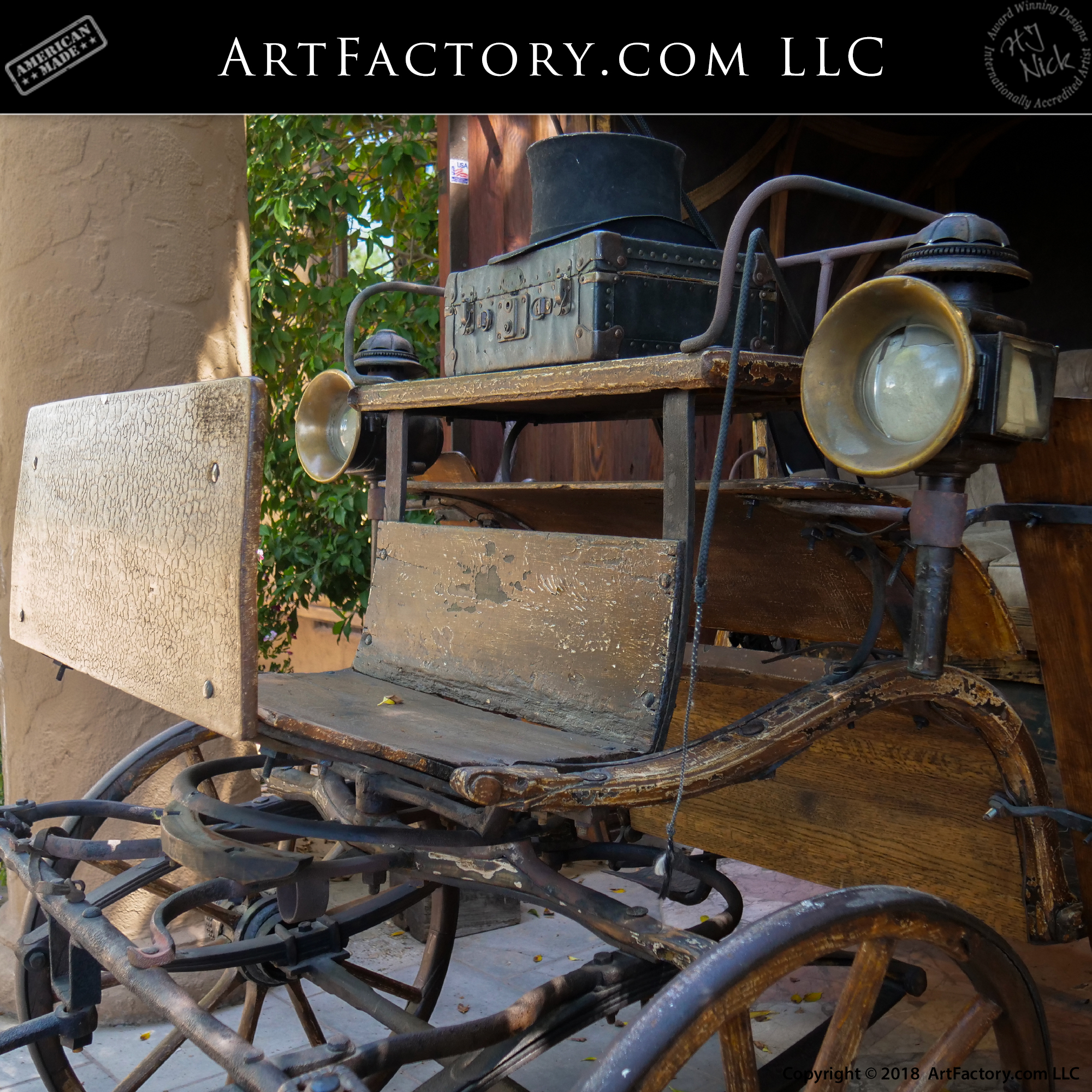
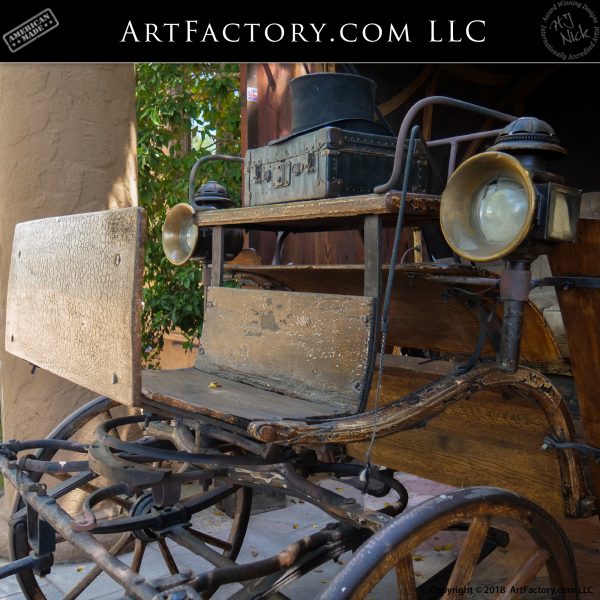
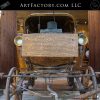
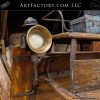
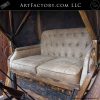
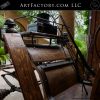
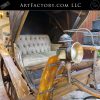
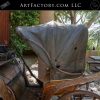
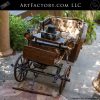
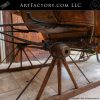
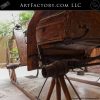
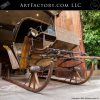
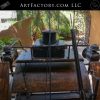
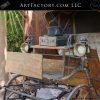
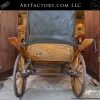
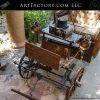
The compact passenger compartment accommodates two people seated side by side, with a separate elevated seat for the coachman. A folding leather hood shelters the passengers, and brass candle lanterns provide light. Inspection of the lanterns revealed candle holders behind their opening lenses.
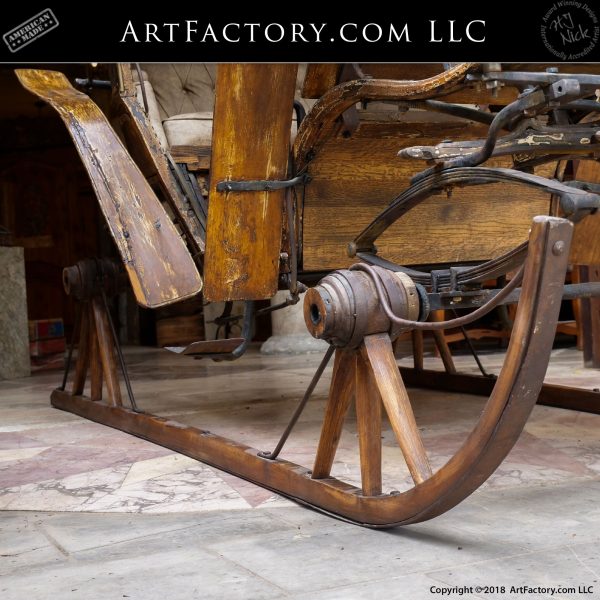
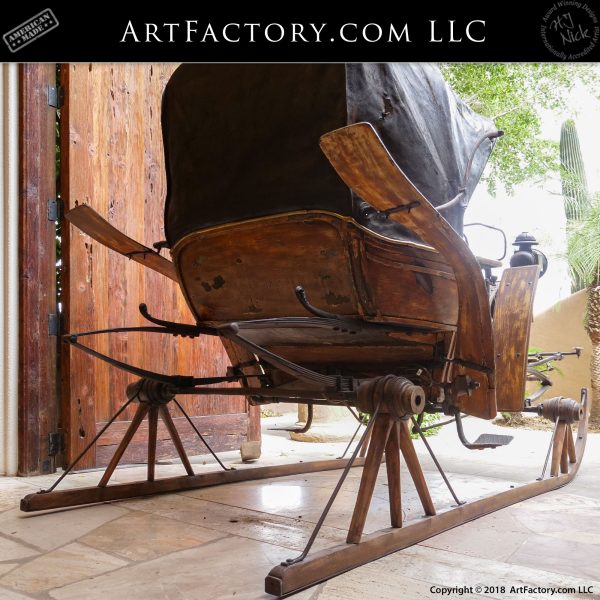
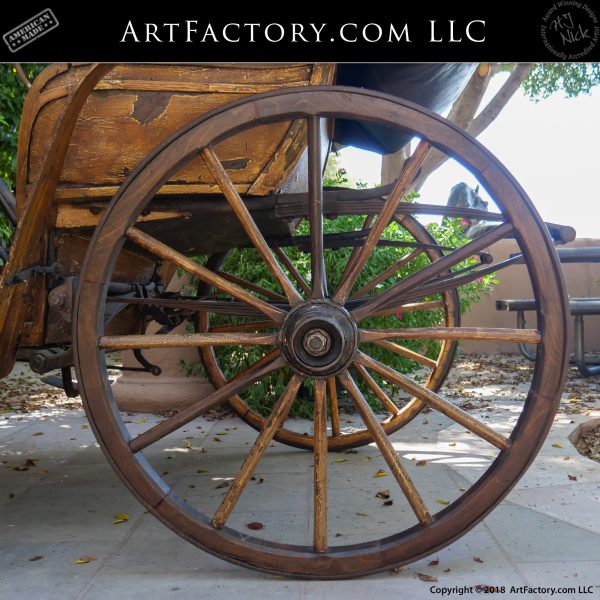
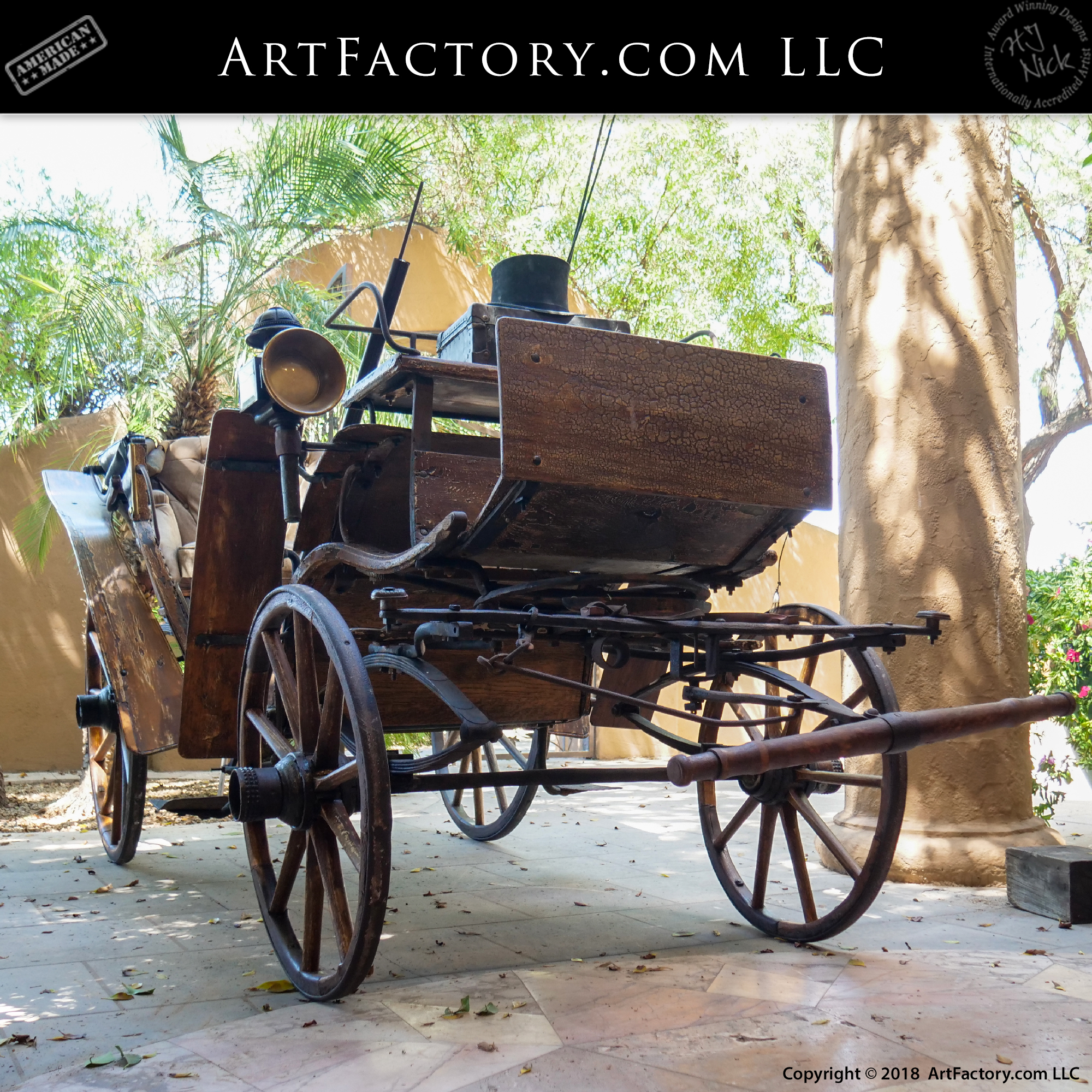
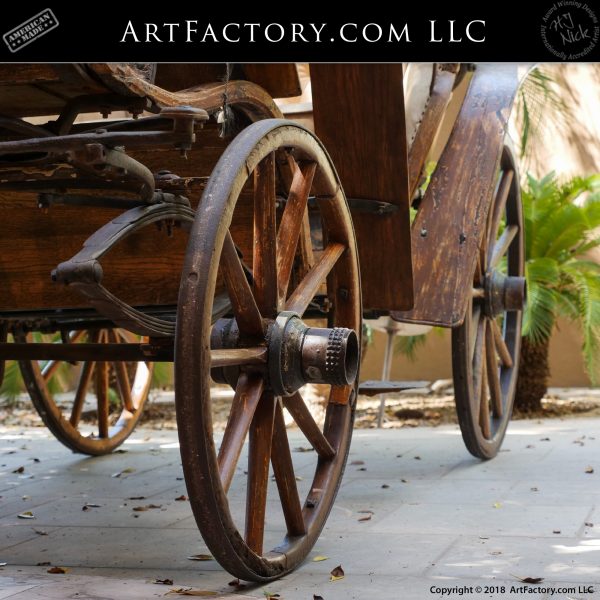
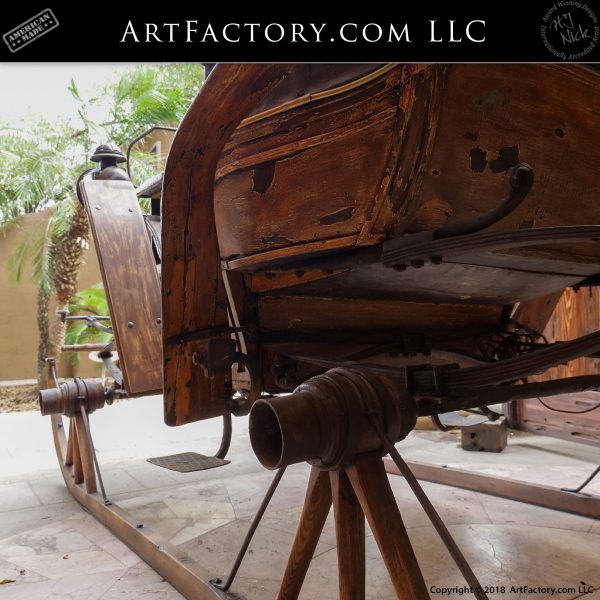
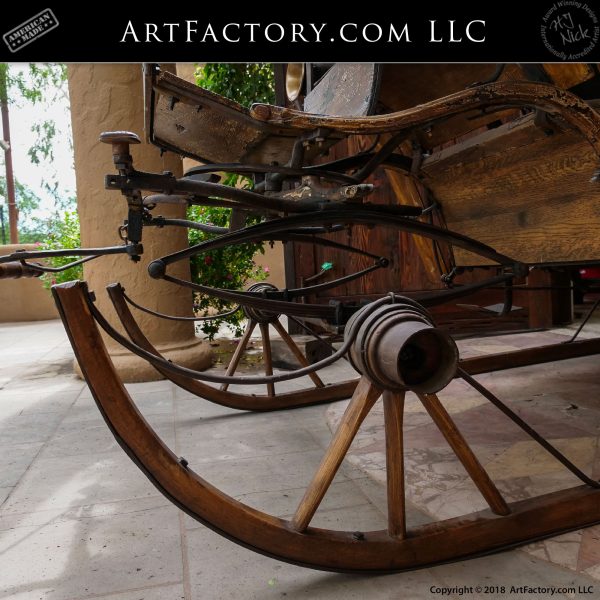
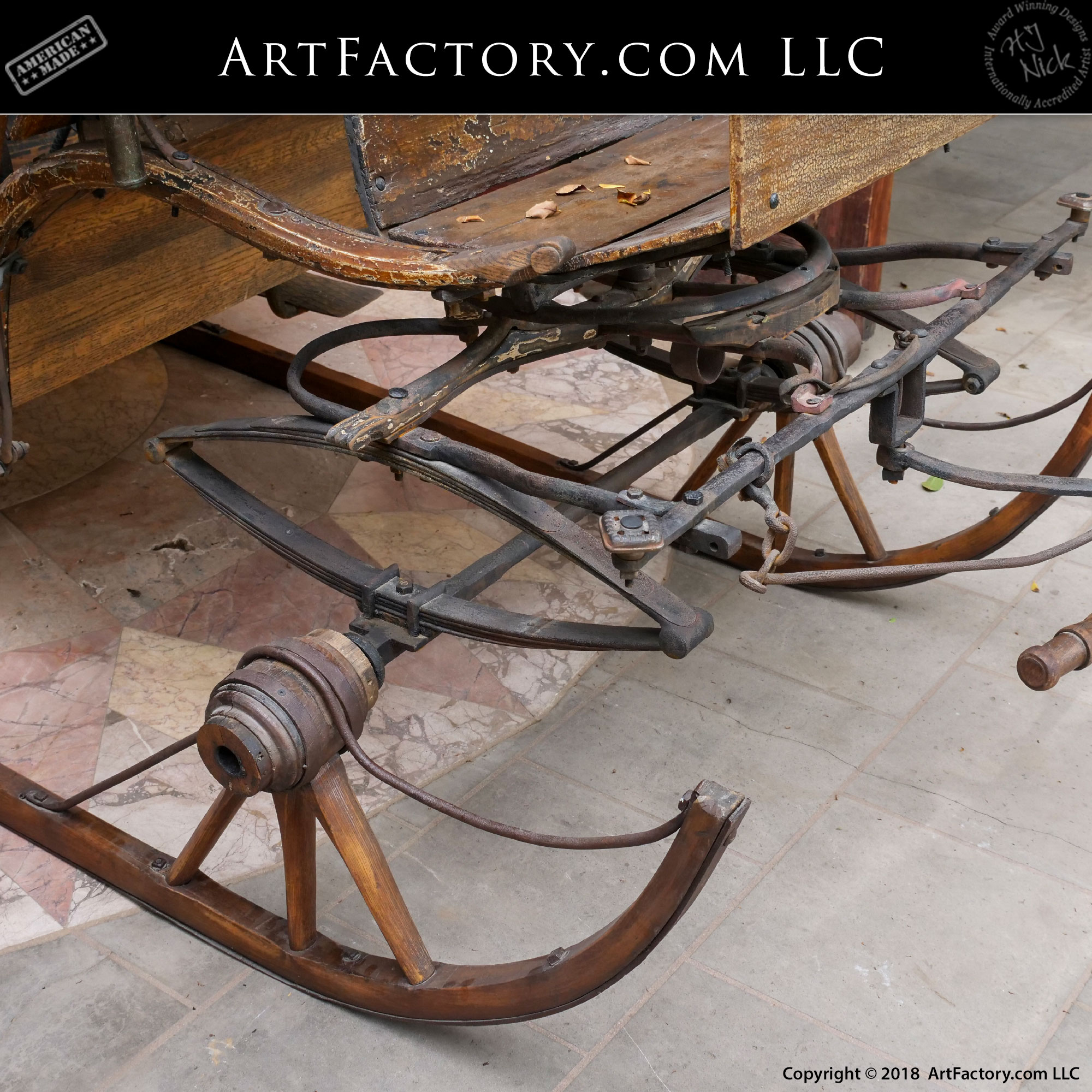
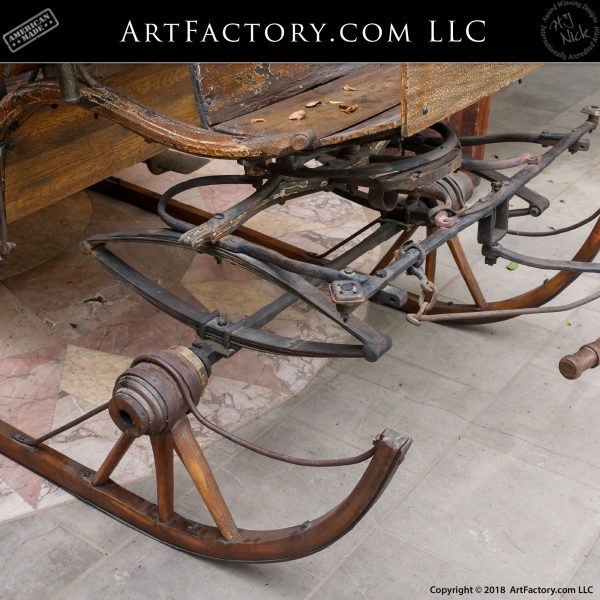
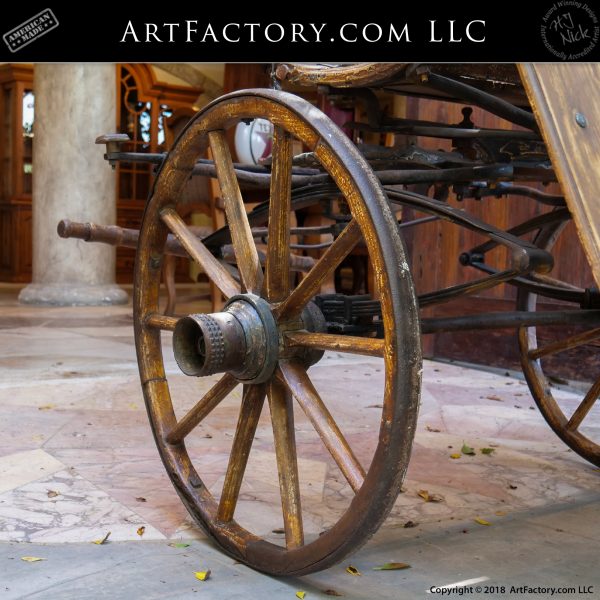
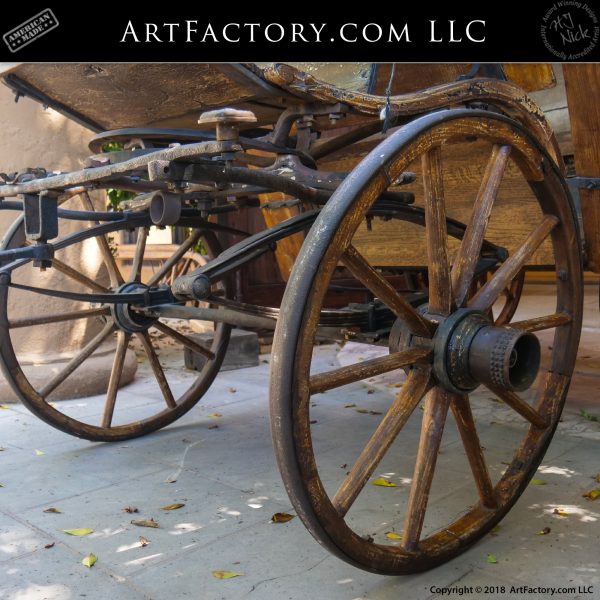
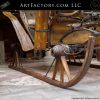
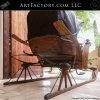
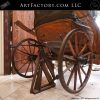
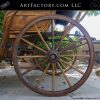
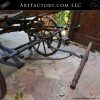
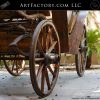
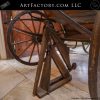
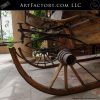
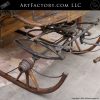
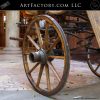
On its wooden wheels, the carriage was equipped for road travel. Its matching bent-timber sleigh runners provided a winter configuration, supporting the same carriage body above the snow.
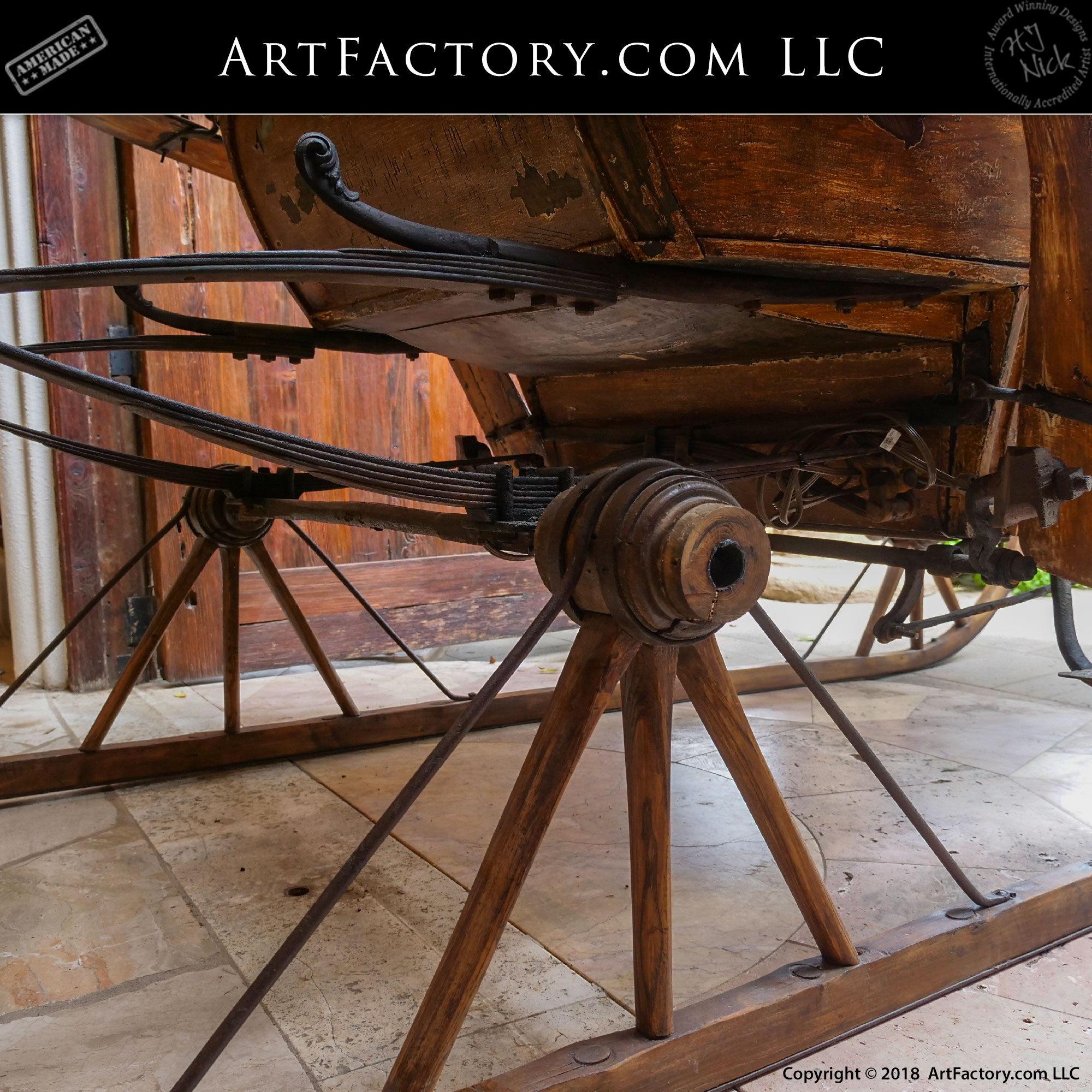
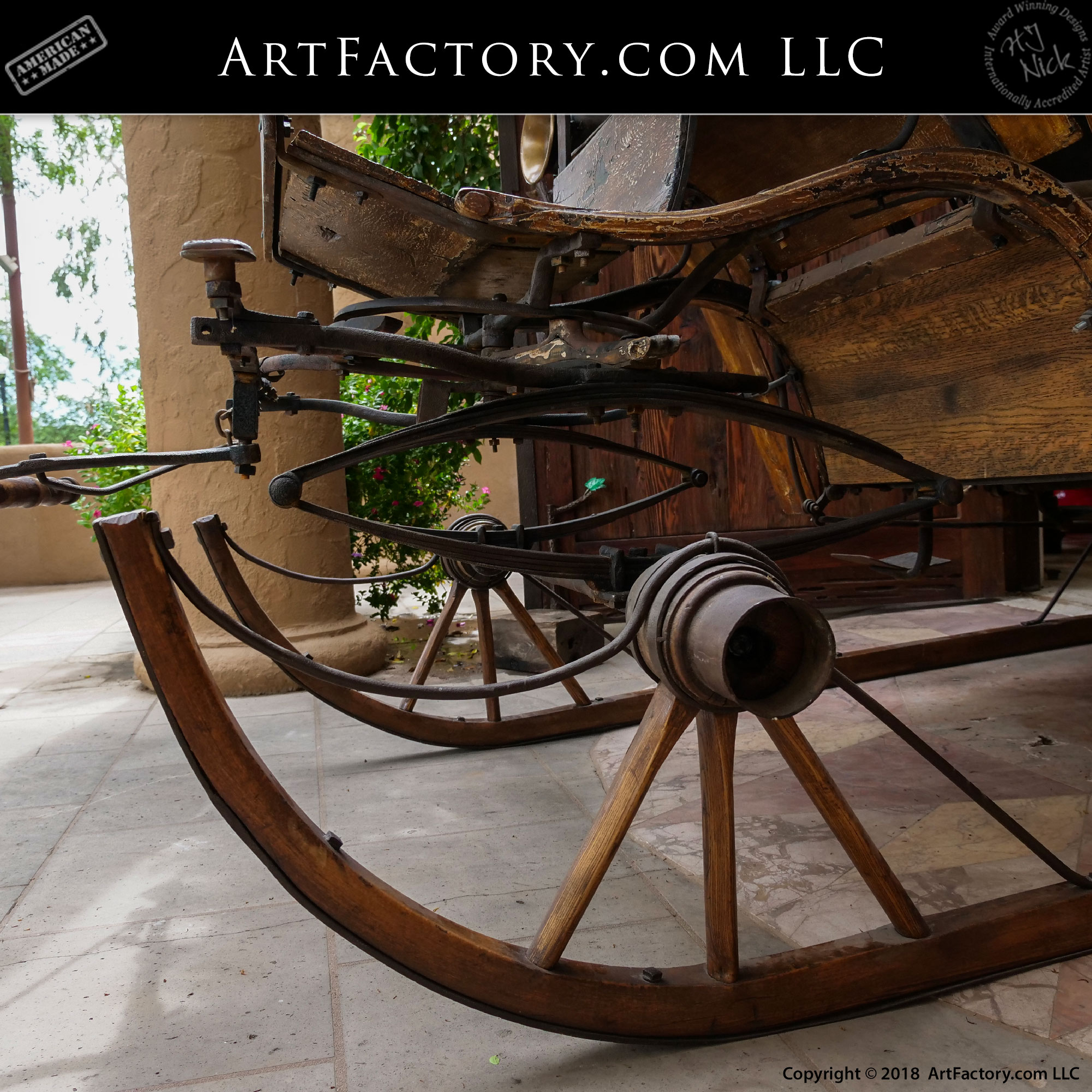
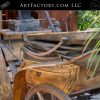
Nick’s examination identifies these runners as contemporary with the carriage. Each is formed from a continuous length of solid timber, without joints or seams along its length. The curves of the runners and fenders, together with their fitted ironwork, demonstrate the makers’ knowledge of both material and function.
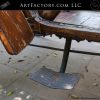
The surviving seat interiors offer another glimpse into its construction. Beneath the newer leather upholstery remain older materials containing horsehair and straw—physical evidence of the handwork that went into passenger comfort.
The Work of Many Skilled Hands
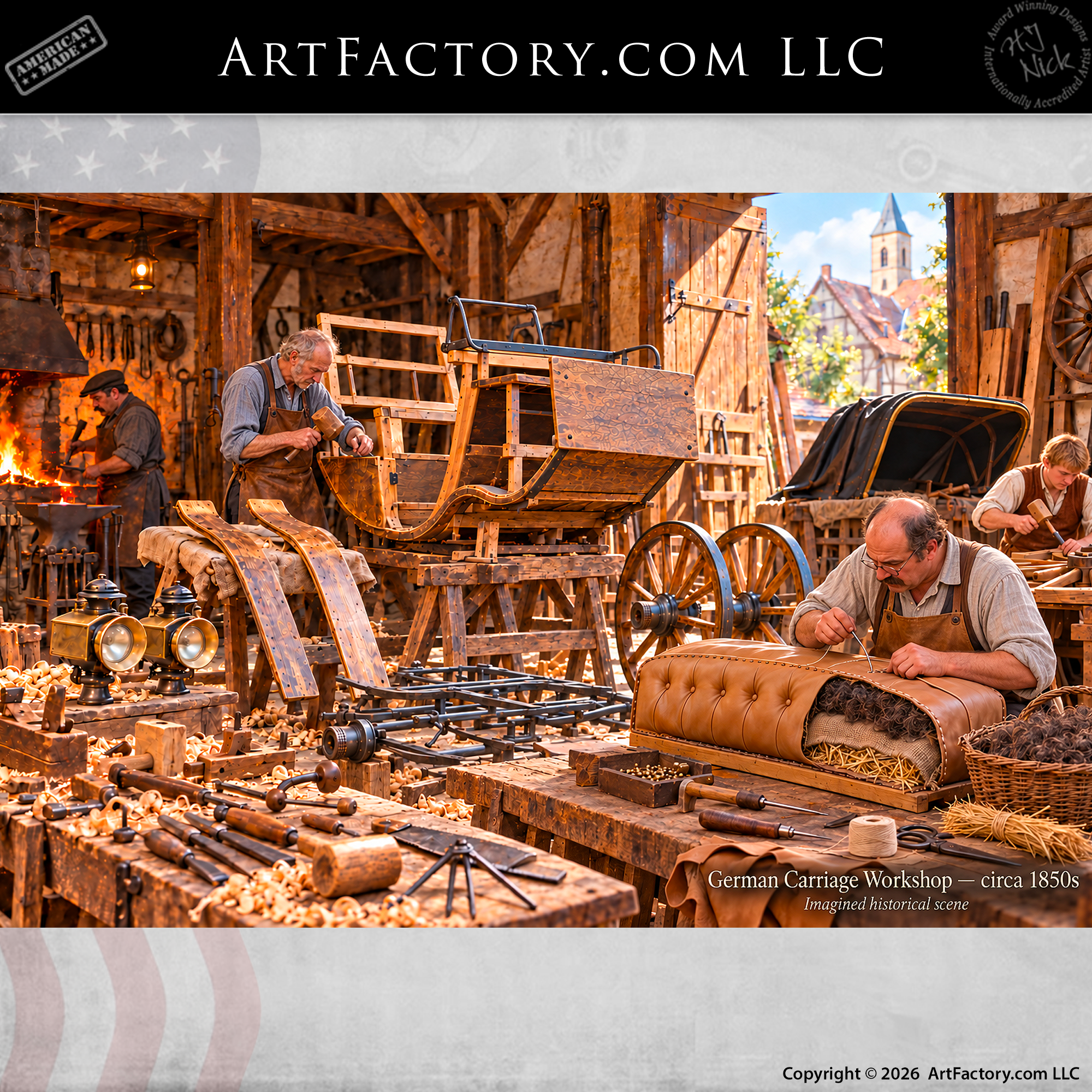
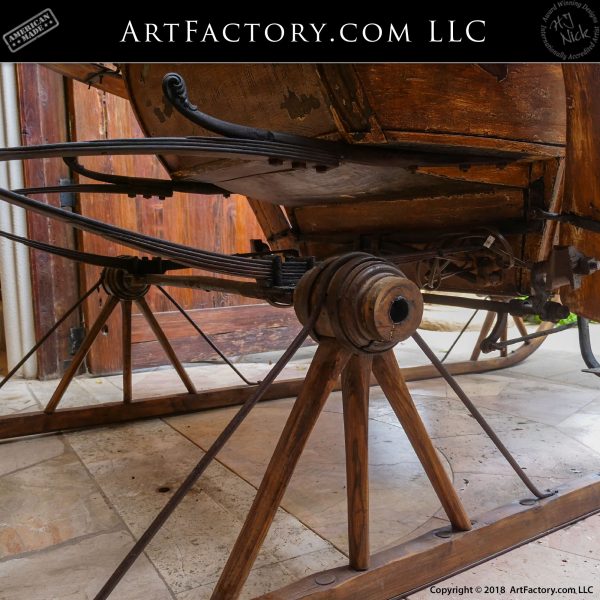
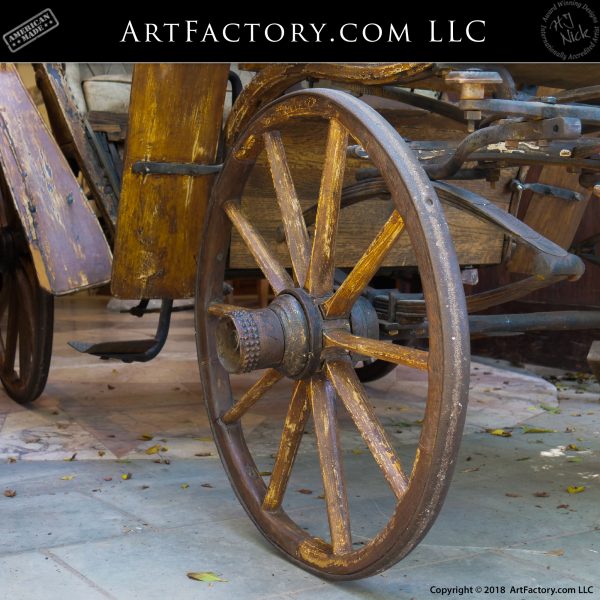
Building a carriage such as this called upon several closely connected trades. The carriage builder shaped and assembled the body. The wheelwright fitted the hubs, spokes, and rims. The blacksmith forged iron fittings to suit the wooden structure and running gear. Leatherworkers and upholsterers created the folding hood and padded seating.
Every fitted curve and connection had a purpose. The wheels had to carry the load and run true. The body and suspension had to work together. The hood had to fold, the seating had to support its passengers, and the winter runners had to fit the carriage they served.
To Nick, this coordination suggests a small workshop where skilled makers worked closely together and took responsibility for the finished vehicle. It is a tradition he recognizes in the work carried on at ArtFactory.com today.
Acquired in Pieces, Preserved Through Restoration
The carriage was purchased in pieces through the Dallas World Trade Center approximately twenty years ago. The seller described it as German and associated it with a large castle near a mountainous border area within Germany.
Nick recalls seeing photographs of substantial wooden carriage-house doors within the castle complex, together with a similar wheeled carriage in better condition and reportedly still in use. These recollections remain part of its reported history while research continues into the seller’s records and original bill of sale.
The restoration that followed is known firsthand.
At ArtFactory.com, the objective was to return the carriage to functioning condition while preserving the old materials, surviving finish, and evidence of use that gave it its character. The work required careful disassembly, inspection, cleaning, and attention to components that had deteriorated or seized through age and neglect.
The carriage was reassembled, and its bearings and running gear were rebuilt to functioning condition. Later coatings were carefully removed down to the surviving original finish. New leather upholstery was installed over the existing seats, preserving the older upholstery and horsehair-and-straw filling beneath. Other components were retained as received.
Natural wear, use marks, and surviving patina remained part of the carriage’s story.
There Is No Shelf of Ready-Made Parts
Restoring an individually fitted carriage requires the ability to understand and work with what its original makers left behind. A damaged component cannot simply be replaced with a convenient modern substitute and still preserve the character of the work.
Where replacement is necessary, ArtFactory.com’s approach is to make the required part using appropriate materials and traditional methods, guided by the surviving original. Wood must be shaped and fitted to the structure it serves. Forged fittings must follow the form and function of the old ironwork. Leather and upholstery require the same attention to construction and detail.
These skills remain part of ArtFactory.com’s family craftsmanship tradition dating to 1913. Under H.J. Nick’s direction, its craftsmen apply their knowledge of woodworking, blacksmithing, leatherwork, and upholstery to both historic restoration and the creation of enduring custom furnishings.
A History Still Being Uncovered
No manufacturer’s marks have yet been located. The original workshop, precise construction date, and early ownership remain under investigation. Nick’s attribution to Germany and estimated 1850s date are based on his direct examination of the carriage’s materials and workmanship.
Its exact beginnings may become clearer through the original bill of sale, the seller’s records, or surviving photographs. As evidence emerges, its history will be updated.
For now, its most compelling story is visible in the work itself: timber bent to purpose, iron forged to form, leather shaped and stitched by hand, and the knowledge of skilled makers preserved for another generation. This carriage is in full working order.
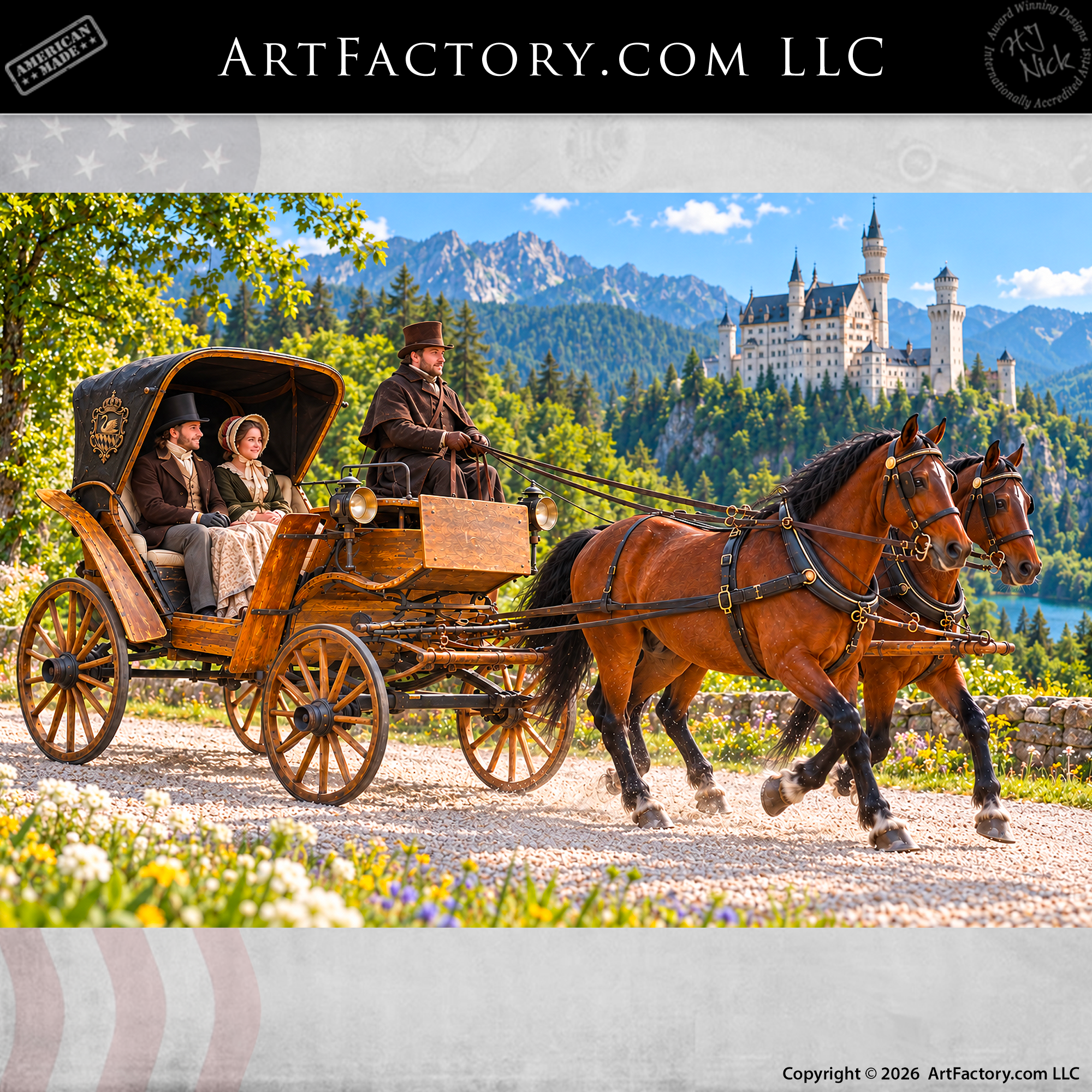
Historical illustrations depict imagined workshop and period settings. They are not documentary images of the carriage’s original maker or location.
19th Century Calash Buggy Info
Custom Man Cave And Game Room Furnishings Built The Old Fashioned Way
"When Everything Made In America Was Built To Last Forever"
And Craftsmen Were Proud To Sign Their Work
Order Any Size Or Style - We Can Help You To Design Your Dream Custom Furniture - At No Extra Cost
✨ Visit H.J. Nick’s Art Factory Galleries ✨
7407 E Greenway Rd, Scottsdale Airpark, Scottsdale, AZ 85260
🕒 Gallery Hours
Monday – Friday | 8 AM – 4 PM MST
Walk-ins Welcome | Private Viewings by Appointment
📅 Appointments & Inquiries
📞 Call: 1-800-292-0008 – Ask for Karla
🌐 Website: www.artfactory.com

• ✈️ Jet Parking Available
• 🚗 Limousine Service Available

Reviews
There are no reviews yet.